HOLIDAYS IN THE NETHERLANDS, ROMANIA AND HUNGARY: WHAT IS THE DIFFERENCE?
As an expert working in the Netherlands, it’s interesting to know the differences in countries like Romania and Hungary. In this blog, we compare the most important holidays in the Netherlands, Romania, and Hungary, helping you prepare for cultural differences and the days off you can anticipate.
NATIONAL HOLIDAYS
The Netherlands celebrates King’s Day on April 27th with orange-themed festivities, street markets, and music. Liberation Day on May 5th marks the end of WWII occupation with concerts and remembrance events.
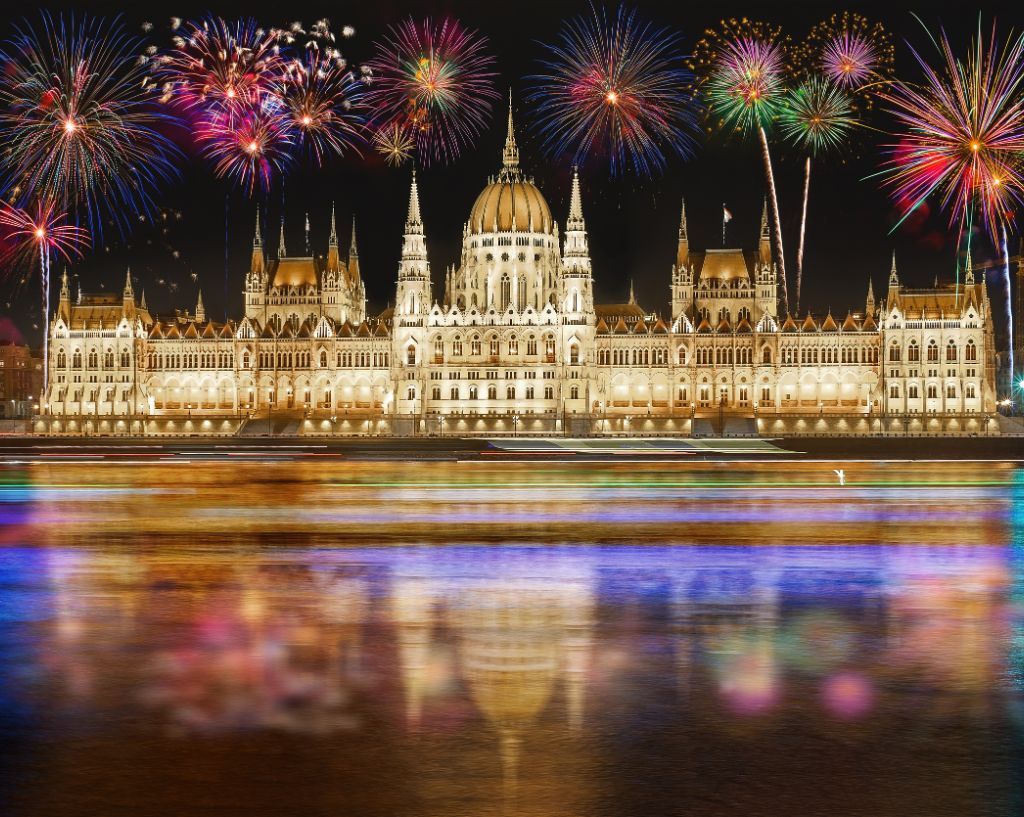
Hungary’s National Day on August 20th honors St. Stephen’s Day, featuring parades, food, and fireworks. March 15th commemorates the1848 revolution with patriotic events.
Romania’s National Day, December 1st, celebrates the unification of regions in 1918 with military parades and concerts. Labor Day on May 1st is also celebrated with outdoor activities.
LOCAL HOLIDAYS
Each country also has smaller, culturally specific celebrations that hold local significance. In the Netherlands, Sinterklaas (December 5th) is a festive tradition where children receive gifts and enjoy storytelling, treats, and poems. Carnival, celebrated in the southern regions before spring, features vibrant parades and costumes.
Romania has Dragobete (February 24th), a traditional celebration of love, and Mărțișor (March 1st), marking the arrival of spring with symbolic red and white charms.
Hungary honors literature on National Poetry Day (April 11th) and commemorates statehood with St. Stephen’s Day (August 20th), featuring spectacular fireworks in Budapest. Additionally, Saint Nicholas’ Day (December 6th) is observed in both Romania and Hungary, where children receive small gifts in their shoes.
THE NETHERLANDS
The Netherlands has several fixed national holidays, some of which are mandatory days off, while others depend on your employer. The most important holidays are:
New Year’s Day (January 1st) – A day to ring in the new year, often celebrated with fireworks and champagne. The celebration symbolizes a fresh start and is observed worldwide.
Good Friday & Easter (March/April) – Good Friday commemorates the crucifixion of Jesus Christ, while Easter celebrates his resurrection. In the Netherlands, Easter is marked by egg hunts, family brunches, and church services.
King’s Day (April 27th) – The king’s birthday and a national holiday when the Netherlands turns orange. People celebrate with flea markets, festivals, and parades.
Liberation Day (May 5th) – Commemorates the liberation of the Netherlands from German occupation in 1945. Every five years, it is a mandatory day off, celebrated with festivals and memorial events.
Ascension Day & Pentecost (May/June) – Ascension Day marks the ascension of Jesus Christ, while Pentecost commemorates the outpouring of the Holy Spirit. Many Dutch people take short vacations during these days.
Christmas (December 25th & 26th) – A celebration of the birth of Jesus Christ, a time for warmth, festive dinners, and gift-giving.
ROMANIA
Romania has several national holidays, some of which are mandatory days off. The most important holidays are:
New Year’s Day (January 1st & 2nd) – Celebrated with fireworks, festive meals, and gatherings with family and friends. It marks a fresh start to the year.
Unification Day (January 24th) – Commemorates the unification of Moldavia and Wallachia in 1859, a key step toward modern Romania.
Good Friday & Easter (March/April, Orthodox calendar) – Good Friday honors the crucifixion of Jesus Christ, while Easter celebrates his resurrection. Romanian Easter traditions include painting eggs, attending church services, and enjoying festive meals with lamb, cozonac (sweet bread), and red eggs.
Labor Day (May 1st) – A celebration of workers’ rights, often marked by barbecues and outdoor gatherings.
Children’s Day (June 1st) – A day dedicated to children, with special events, activities, and gifts for kids.
Pentecost & Whit Monday (May/June, Orthodox calendar) – Celebrates the descent of the Holy Spirit upon the apostles, an important religious holiday often spent with family.
St. Mary’s Day (August 15th) – Honors the Assumption of the Virgin Mary, celebrated with religious services and family gatherings. It is also an important name day for many Romanians.
Romanian National Day (December 1st)– Marks the Great Union of 1918, when Transylvania united with Romania. Celebrated with military parades, concerts, and patriotic events.
Christmas (December 25th & 26th) – Celebrates the birth of Jesus Christ, a time for festive meals, caroling, and exchanging gifts. Traditional Romanian Christmas dishes include sarmale (stuffed cabbage rolls) and cozonac.
HUNGARY
Hungary has several national holidays, some of which are mandatory days off. The most important holidays are:
New Year’s Day (January 1st) – Celebrated with fireworks, family gatherings, and traditional foods to bring good luck for the new year.
Hungarian Revolution Day (March 15th) – Commemorates the 1848 Hungarian Revolution against Habsburg rule. Celebrated with ceremonies, speeches, and wearing the national colors (red, white, and green).
Good Friday & Easter (March/April, Western Christian calendar) – Good Friday commemorates the crucifixion of Jesus Christ, while Easter celebrates his resurrection. Traditions include church services, egg painting, and the Hungarian custom of locsolkodás, where men sprinkle women with perfume or water.
Labor Day (May 1st) – A public holiday celebrating workers’ rights, often marked with festivals and outdoor gatherings.
Pentecost & Whit Monday (May/June, Western Christian calendar) – Celebrates the descent of the Holy Spirit upon the apostles, a religious holiday often spent with family.
St. Stephen’s Day (August 20th) – Hungary’s national day, honoring St. Stephen, the first king of Hungary, and the foundation of the state. Celebrated with parades, ceremonies, and fireworks over the Danube in Budapest.
1956 Revolution Memorial Day (October 23rd) – Commemorates the 1956 uprising against Soviet rule. Marked with official ceremonies and remembrances.
All Saints’ Day (November 1st) – A day to honor deceased loved ones by visiting cemeteries and lighting candles.
Christmas (December 25th & 26th) – Celebrates the birth of Jesus Christ, a time for festive meals, exchanging gifts, and spending time with family. Traditional Hungarian Christmas dishes include halászlé (fish soup) and bejgli (poppy seed or walnut roll).
WHAT DOES THIS MEAN FOR YOU AS AN EXPERT IN THE NETHERLANDS?
Employers in the Netherlands generally follow national guidelines, but the number of days off and how they are granted can vary by sector and collective labor agreement (CAO). Some companies, for example, offer extra leave days around public holidays, while others strictly adhere to the legally designated holidays. In sectors such as healthcare, logistics, and hospitality, work often continues on public holidays, usually with additional pay or compensation in leave hours.
Additionally, holidays you are accustomed to in Romania or Hungary, such as Orthodox Easter or National Holidays, may not be recognized as official public holidays in the Netherlands. In some cases, you may be able to request special leave from your employer to celebrate these days.
To avoid any surprises, it is important to carefully review your employment contract and the CAO for your sector. If in doubt, discuss with your employer the specific rules regarding public holidays and leave policies within your organization.
Want to learn more about job opportunities at Eastmen?
RENTING A HOUSE IN THE NETHERLANDS: A GUIDE FOR EXPATS
If you are moving to the Netherlands for work or a new adventure, one of the first challenges you will face is finding the right place to live. The Dutch rental market can be competitive, especially in popular cities like Amsterdam, Utrecht, and Rotterdam. Whether you are looking for a short-term rental or a long-term home, understanding how renting a house in the Netherlands works will make the process much easier and less stressful. In this guide, we will take you through everything you need to know about finding and securing accommodation in the Netherlands.
UNDERSTANDING THE RENTAL MARKET IN THE NETHERLANDS
The Dutch rental market consists of two main categories: social housing and private rentals. Social housing is subsidized by the government and is only available to people with lower incomes. However, waiting lists for social housing can take years, making it an unlikely option for expats. Most newcomers opt for private rentals, which are more accessible but often come with higher rental prices, especially in major cities where demand is high. If you are planning on renting a house in the Netherlands, it is important to act quickly, as good properties are rented out fast.
WHERE TO LOOK FOR RENTAL HOMES
IMPORTANT FACTORS TO CONSIDER
Finding a rental property as an expat is easier when you know where to search. Some of the best platforms to find available rentals include:
Funda.nl – The largest property website in the Netherlands, offering a wide range of rental and purchase options.
Pararius.com – A popular platform specializing in rental properties, with many listings suitable for expats.
Kamernet.nl – A great resource for finding shared housing, student accommodations, or budget-friendly rental rooms.
Facebook groups and expat forums – Many landlords and agencies post rental listings in online groups specifically for expats.
Real estate agents (makelaars) – A real estate agent can help you find the right property, although their services often come with additional fees.
Before signing a rental contract, it is essential to consider the following factors to ensure you are making the right decision:
Location: Choose a location that is convenient for your work, access to public transport, and everyday necessities like supermarkets and healthcare facilities.
Budget: Rental prices in major Dutch cities can be high, so set a realistic budget that includes service costs and utilities.
Furnished vs. unfurnished: Some rental properties come fully furnished, while others require tenants to provide their own furniture. Always check what is included before signing.
Lease terms: Review the lease duration, deposit requirements, and additional costs such as maintenance fees before committing.
WHERE TO LOOK FOR RENTAL HOMES
Finding a rental property as an expat is easier when you know where to search. Some of the best platforms to find available rentals include:
Funda.nl – The largest property website in the Netherlands, offering a wide range of rental and purchase options.
Pararius.com – A popular platform specializing in rental properties, with many listings suitable for expats.
Kamernet.nl – A great resource for finding shared housing, student accommodations, or budget-friendly rental rooms.
Facebook groups and expat forums – Many landlords and agencies post rental listings in online groups specifically for expats.
Real estate agents (makelaars) – A real estate agent can help you find the right property, although their services often come with additional fees.
IMPORTANT FACTORS TO CONSIDER
Before signing a rental contract, it is essential to consider the following factors to ensure you are making the right decision:
Location: Choose a location that is convenient for your work, access to public transport, and everyday necessities like supermarkets and healthcare facilities.
Budget: Rental prices in major Dutch cities can be high, so set a realistic budget that includes service costs and utilities.
Furnished vs. unfurnished: Some rental properties come fully furnished, while others require tenants to provide their own furniture. Always check what is included before signing.
Lease terms: Review the lease duration, deposit requirements, and additional costs such as maintenance fees before committing.
LEGAL ASPECTS OF RENTING A HOUSE IN THE NETHERLANDS
Understanding your rights and responsibilities as a tenant in the Netherlands is crucial to avoid potential issues. Here are some legal aspects to keep in mind:
Avoid Rental Scams: Be wary of landlords requesting large upfront payments without proper contracts. Always verify a landlord’s legitimacy before making any payments.
Deposit and Fees: Most landlords require a deposit of one to two months’ rent. Some rental agencies may also charge additional fees, so clarify all costs in advance.
SHORT-TERM VS. LONG-TERM RENTALS
TIPS FOR A SMOOTH RENTAL PROCESS
If you have just arrived in the Netherlands and need a place to stay quickly, short-term rental options might be a good solution while you search for a permanent home. Some options include:
Airbnb or serviced apartments, which provide fully furnished, flexible housing for short-term stays.
Co-living spaces, which cater to expats and offer shared facilities in a community environment.
Extended-stay hotels, which can be a comfortable, albeit more expensive, option for temporary housing.
Finding and securing a rental property in the Netherlands can take time, but these tips will help make the process easier:
Start your search early: Rental properties get taken quickly, so begin your search before you arrive in the Netherlands.
View the property in person: If possible, visit the property before signing a lease to avoid surprises.
Get all agreements in writing: Ensure that your rental contract clearly states all terms and conditions to avoid misunderstandings.
Prepare your documents in advance: Most landlords will require proof of income, an employment contract, and a copy of your ID or residence permit.
SHORT-TERM VS. LONG-TERM RENTALS
If you have just arrived in the Netherlands and need a place to stay quickly, short-term rental options might be a good solution while you search for a permanent home. Some options include:
Airbnb or serviced apartments, which provide fully furnished, flexible housing for short-term stays.
Co-living spaces, which cater to expats and offer shared facilities in a community environment.
Extended-stay hotels, which can be a comfortable, albeit more expensive, option for temporary housing.
TIPS FOR A SMOOTH RENTAL PROCESS
Finding and securing a rental property in the Netherlands can take time, but these tips will help make the process easier:
Start your search early: Rental properties get taken quickly, so begin your search before you arrive in the Netherlands.
View the property in person: If possible, visit the property before signing a lease to avoid surprises.
Get all agreements in writing: Ensure that your rental contract clearly states all terms and conditions to avoid misunderstandings.
Prepare your documents in advance: Most landlords will require proof of income, an employment contract, and a copy of your ID or residence permit.
CONCLUSION
Renting a house in the Netherlands as an expat can be a challenging process, but with proper research and preparation, you can find a home that suits your needs. By using trusted platforms, understanding the rental process, and being aware of your rights as a tenant, you can navigate the Dutch housing market with confidence. Whether you are looking for a temporary stay or a long-term home, taking the right steps will help you settle into your new life in the Netherlands smoothly.
Looking for a job in the Netherlands? Have a look at our available jobs and apply below.
IMMIGRANTS WHO BRING FAMILIES STAY LONGEST IN THE NETHERLANDS
The Netherlands is a popular destination for skilled workers seeking better opportunities, higher wages, and a secure future. However, for many immigrants, the decision to stay long-term is influenced by more than just professional prospects—it’s about creating a stable and fulfilling life for their families. Research and trends show that immigrants who bring their families with them tend to stay the longest, contributing significantly to both the local economy and community life.
WHY FAMILIES MAKE A DIFFERENCE
When EU citizens move to the Netherlands with their families, they are more likely to establish roots and adapt to the culture. Bringing loved ones offers emotional stability, motivation to succeed, and a sense of belonging. Families help immigrants overcome the challenges of adjusting to a new environment, such as learning the language, understanding the Dutch way of life, and navigating cultural differences.
Having children in local schools also strengthens these bonds. Kids quickly learn Dutch, integrate fast, and create a connection between their family and the Dutch culture. Parents, in turn, build friendships with other families and become more invested in the community.
BETTER SUPPORT SYSTEMS FOR FAMILIES
The Netherlands is known for its family-friendly policies, which make it an ideal destination for those moving with loved ones. Affordable childcare, generous parental leave, excellent healthcare, and high-quality education ensure that families can thrive here.
For instance, immigrants often cite the Dutch work-life balance as a major benefit. Short working hours and flexible schedules allow parents to spend time with their children and enjoy family activities, making the transition smoother.
HOW TO BRING YOUR FAMILY TO THE NETHERLANDS
As an EU citizen, moving to the Netherlands with your family is straightforward due to freedom of movement within the EU. Here’s what you need to do to settle in with your loved ones:
Register at the municipality (Gemeente)
Upon arrival, you and your family must register with the local municipality. Each family member will receive a BSN (citizen service number), which is essential for accessing services like healthcare, opening a bank account and enrolling in schools.
Arrange health insurance
Everyone living in the Netherlands is required to have health insurance. EU citizens can initially use their European Health Insurance Card (EHIC) but must switch to Dutch health insurance once employed or officially residing here.
Find housing suitable for families
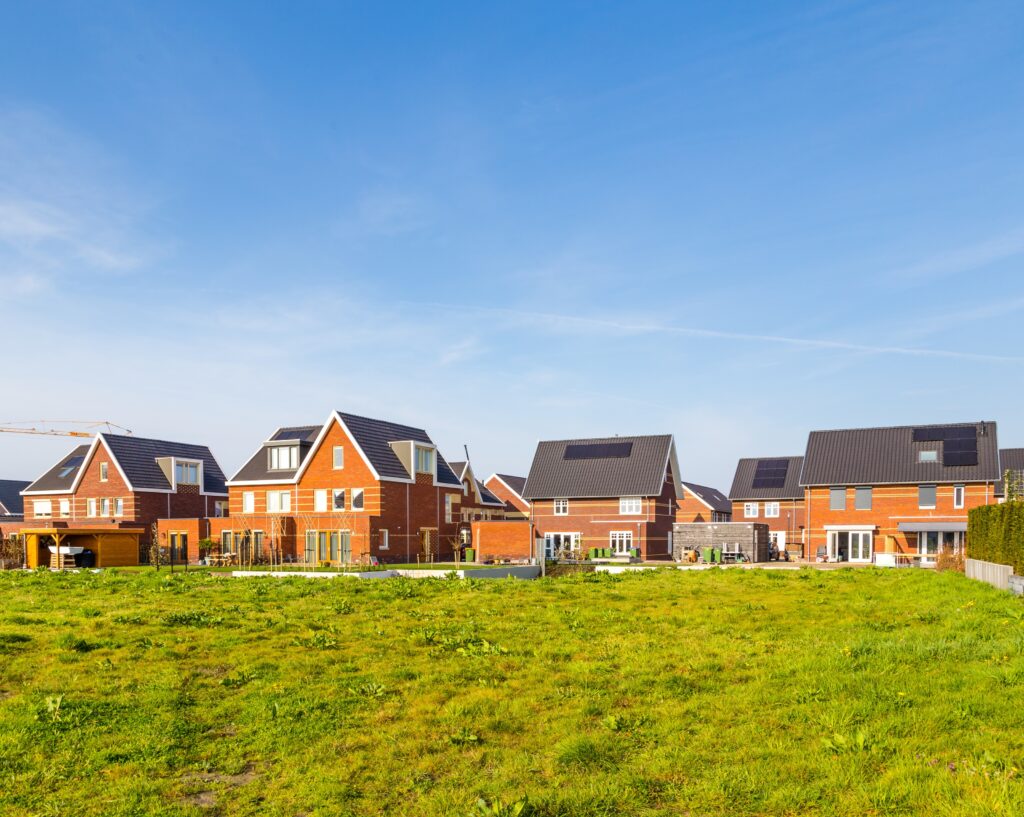
Look for housing that accommodates your family’s needs. Many rental agencies and online platforms cater to international families, offering child-friendly homes near schools and parks.
Enrol your children in school
The Dutch education system is welcoming and diverse, with options for local schools, bilingual programs, or international schools. Schools often provide resources to help children who are new to the Netherlands integrate into the classroom.
Explore family benefits
Depending on your situation, you may qualify for family-related benefits, such as kinderbijslag (child benefit) or subsidies for childcare. These benefits are designed to support families and make life in the Netherlands more affordable
THE ECONOMIC AND SOCIAL BENEFITS OF FAMILY IMMIGRATION
Families play a vital role in strengthening both local communities and the workforce. When one partner works, the other often contributes by taking care of children, volunteering, or pursuing education. This dual involvement creates stability and fosters a stronger connection to Dutch society.
Furthermore, families contribute to the local economy by renting homes, shopping, and participating in community activities. Their presence enriches neighborhoods and supports schools, businesses, and public services.
BUILDING A FUTURE IN THE NETHERLANDS
Eastmen, as a trusted employment agency, has seen how family support impacts the decisions of foreign workers. Skilled professionals who move alone often consider their stay temporary. However, those who bring their families are more likely to see the Netherlands as a long-term home.
Dutch companies also benefit from this, as employees with a stable home life tend to be happier, more productive, and more committed. If you’re considering working in the Netherlands and bringing your family along, Eastmen can help you find a job.
CONCLUSION
Bringing your family to the Netherlands is not only possible but also beneficial for creating a stable and fulfilling life. Families provide the emotional foundation and motivation that help immigrants integrate into Dutch society and commit to staying long-term. With its family-friendly policies, excellent work-life balance, and welcoming culture, the Netherlands offers everything you need to build a brighter future for yourself and your loved ones.
Whether you’re considering relocating or have already started your journey, Eastmen is here to support you in finding a job. Together, we can make the Netherlands a place you’re proud to call home.
Looking for a job in the Netherlands? Have a look at our available jobs and apply below.
TOP SKILLS IN DEMAND FOR 2025 IN EASTMEN'S JOB OFFERINGS
As we get closer to 2025, the job market is changing quickly, especially in logistics, engineering, and manufacturing. New technology, changing industry needs, and a more international workforce mean that companies like Eastmen need workers with specific skills to keep up. Whether you’re an experienced worker or just starting out, focusing on these skills can help you stand out to employers. Here’s a look at the top skills that can help you succeed with Eastmen and prepare you for a bright future.
TECHNICAL SKILLS
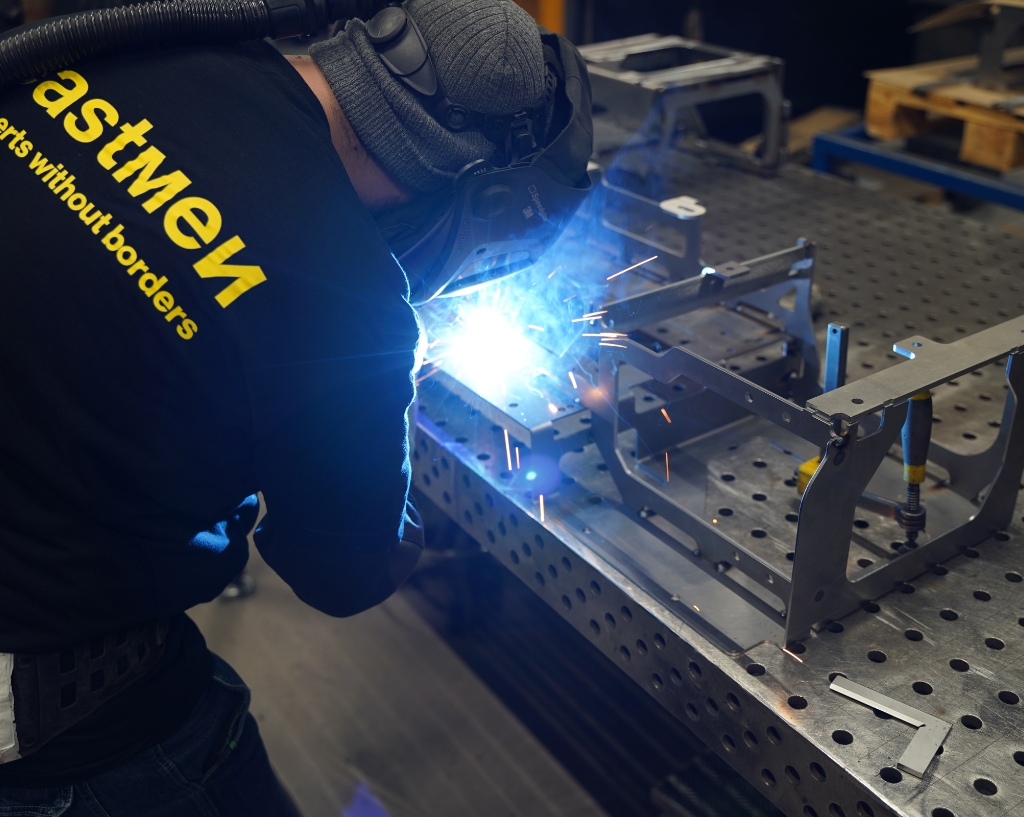
Technical skills are very important in manufacturing and engineering jobs. If you want to be a CNC operator, welder, or mechanic, you need to be good at using machines and tools. Understanding CNC (Computer Numerical Control) machinery, welding techniques, and mechanical systems is crucial. As technology keeps advancing, it’s also essential to stay updated on the latest equipment and software. Employers at Eastmen are looking for candidates who can operate machines and solve problems when things go wrong.
SAFETY AND COMPLIANCE KNOWLEDGE
Safety is a top priority in many jobs, especially for electrician mechanics and pipefitters. Knowing the safety rules and regulations, such as those from OSHA (Occupational Safety and Health Administration), is essential. This knowledge helps to keep everyone safe at work and ensures that the company follows legal standards. Candidates who understand safety protocols will be highly valued by Eastmen.
PROBLEM-SOLVING SKILLS & ADAPTABILITY
In many jobs, especially those involving quick decision-making like service mechanics and transport drivers, having strong problem-solving skills is crucial. Employers want people who can think critically and come up with solutions on the spot. Practicing these skills through real-life experiences or training can make you a strong candidate. Being able to analyze a situation and find solutions quickly will help you stand out in the job market.
As industries move toward more automated processes, being adaptable is becoming increasingly important. You need to be open to learning new technologies and changing how you work, especially in logistics and manufacturing. Candidates who can adjust to new systems will be more successful. Eastmen values employees who can embrace change and contribute positively to the company’s growth.
COMMUNICATION & MULTILINGUAL ABILITIES
Good communication is essential in every job. Whether you’re working with a team in logistics or talking to clients in a service role, being able to express yourself clearly makes a big difference. Developing your verbal and written communication skills will help you work better with others and ensure everyone is on the same page.
In Eastmen’s diverse work environment, knowing English is essential, and speaking additional languages can be a big advantage. Being multilingual helps team members work well together in multicultural teams. In today’s global job market, the ability to communicate with international clients or colleagues can make you stand out from other candidates.
CONCLUSION
In conclusion, as we approach 2025, candidates looking to work at Eastmen should focus on building technical skills, safety and compliance knowledge, problem-solving abilities, adaptability, communication skills, and multilingual capabilities. By developing these skills, you can increase your chances of finding a job and ensure you are ready for the changing job market. Investing in your skills today will prepare you for success in your career tomorrow!
Looking for a job in the Netherlands? Have a look at our available jobs and apply below.
LIVING AND WORKING IN THE NETHERLANDS VS. HUNGARY: A HUNGARIAN CNC OPERATOR’S EXPERIENCE
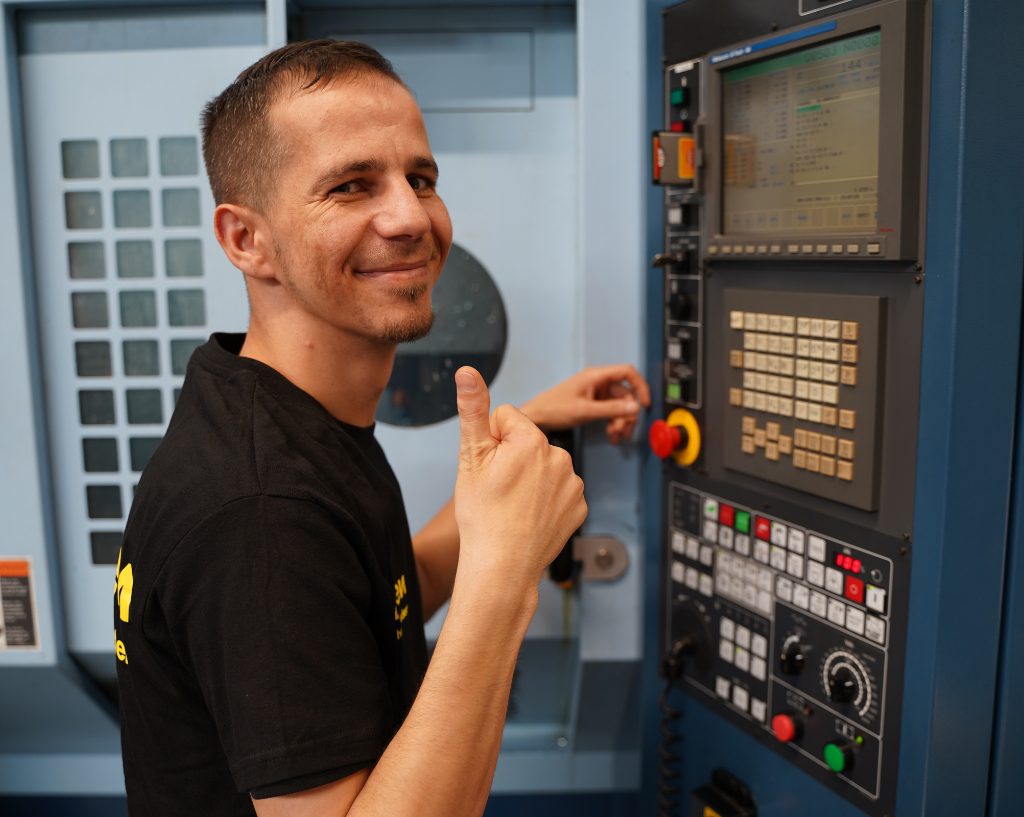
As a Hungarian CNC operator and programmer, I’ve had the chance to work both in Hungary and the Netherlands. Like many people, I was unsure about moving to another country for work—especially temporarily. But thanks to Eastmen, the recruitment agency that helped me with every step, my transition to the Netherlands was smooth and easy. In this blog, I want to share what I’ve learned and encourage more Hungarians to consider working in the Netherlands with Eastmen.
COST OF LIVING AND WAGES
In Hungary, working as a CNC operator can give you a steady income, but saving money is tough. Outside of Budapest, wages are often lower, and finding well-paying technical jobs can be difficult.
In the Netherlands, the situation is different. The wages for CNC operators are much higher, and although rent and groceries are more expensive, the pay more than covers the difference. Plus, if you work through Eastmen, they help arrange housing, which makes it easier to save money. This was a huge relief when I moved since I didn’t have to worry about finding a place to stay on my own. Eastmen’s housing is ready when you arrive, so you can focus on your work right away.
WORK CULTURE: MORE RELAXED AND OPEN
The work culture in the Netherlands is much more relaxed and open compared to Hungary. In Hungary, it’s common for workers to follow instructions without much room for discussion, and overtime can become a habit.
When I started working in the Netherlands, I quickly noticed how valued I was as a CNC operator. The work environment is more collaborative, and everyone’s ideas are welcome. Thanks to Eastmen, I was placed in a company that matched my skills perfectly. There’s also a better work-life balance. Dutch employers expect you to finish on time, and there’s less pressure to stay late.
If you want a work environment where your input matters and you have a better balance between work and free time, the Netherlands is a great place to be.
NO NEED TO WORRY ABOUT LANGUAGE
Before moving, I was concerned about not speaking Dutch. Hungarian is hard to translate, and I thought language might be a barrier in my job.
However, the Netherlands is one of the most English-friendly countries I’ve ever been to. At work, everyone speaks English, and all the CNC programming software is in English too. I didn’t have any communication problems. Learning a few basic Dutch phrases helped with day-to-day life, but it’s not necessary for work.
If language is holding you back from applying, don’t worry. With Eastmen, you’ll find that most companies speak English, making it easy to get started.
EASTMEN’S SUPPORT: HOUSING, INSURANCE, AND MORE
One of the best parts of working through Eastmen is the full support they provide. They don’t just find you a job—they help with everything else that comes with moving to a new country. Eastmen arranged my housing, which was a big stress off my shoulders. They also helped set up my health insurance, so I didn’t have to worry about finding it on my own.
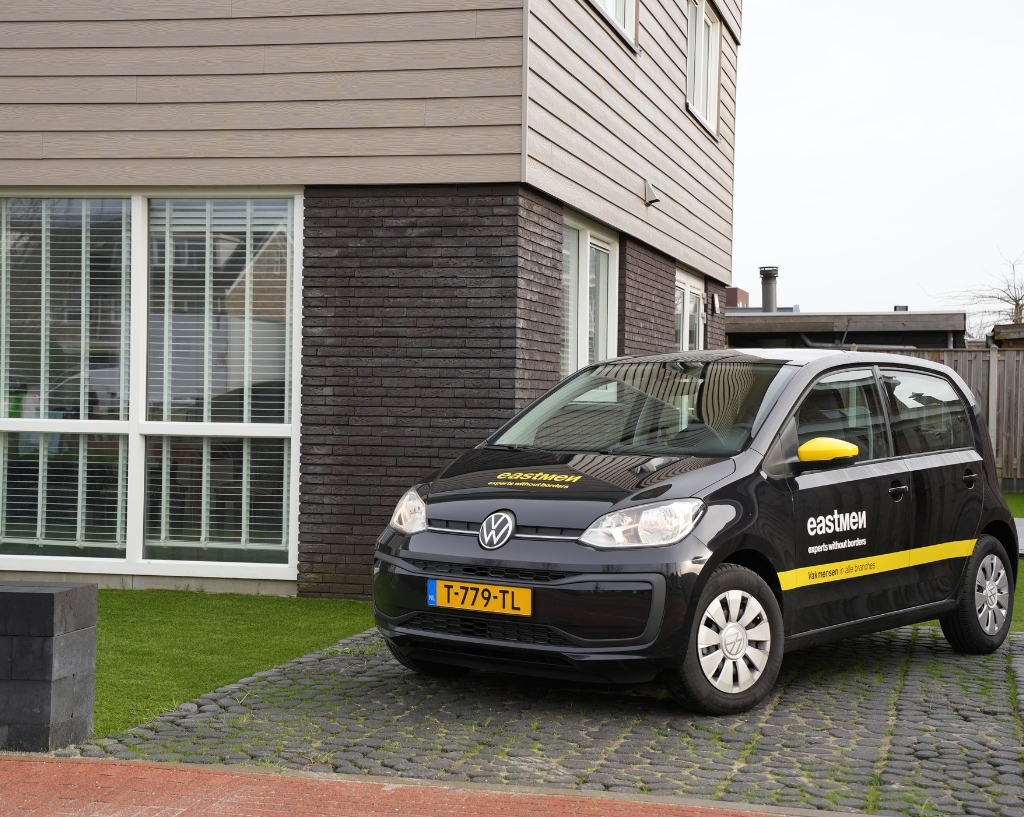
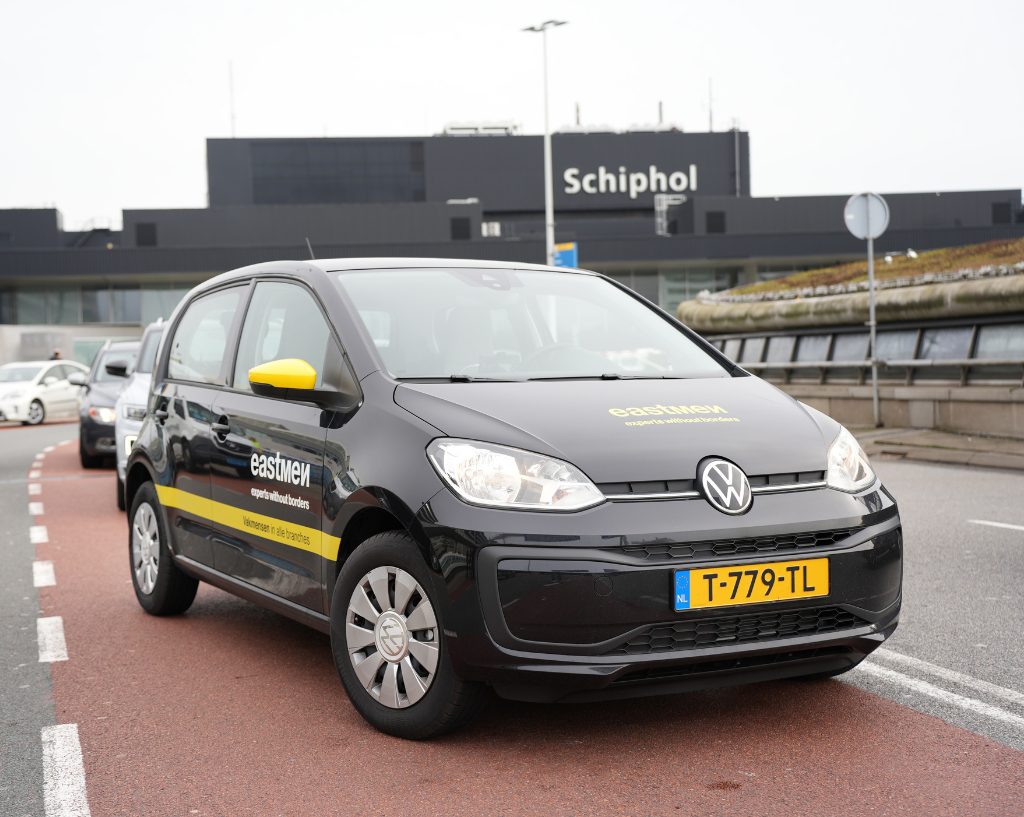
Eastmen also took care of my BSN number (Dutch social security number), which is necessary to work legally in the Netherlands. On top of that, they offer rental cars if you need one to get to work, which was really helpful when public transportation wasn’t convenient for me.
Having this kind of support made my move much smoother. I knew I had people who would guide me through every step, so I could focus on adjusting to my new job and life in the Netherlands.
CAREER GROWTH AND LEARNING
TEMPORARY WORK FOR LONG-TERM BENEFITS
In Hungary, there are limited opportunities for CNC operators to grow professionally, especially outside of big cities. It can feel like you hit a ceiling quickly in terms of skill development.
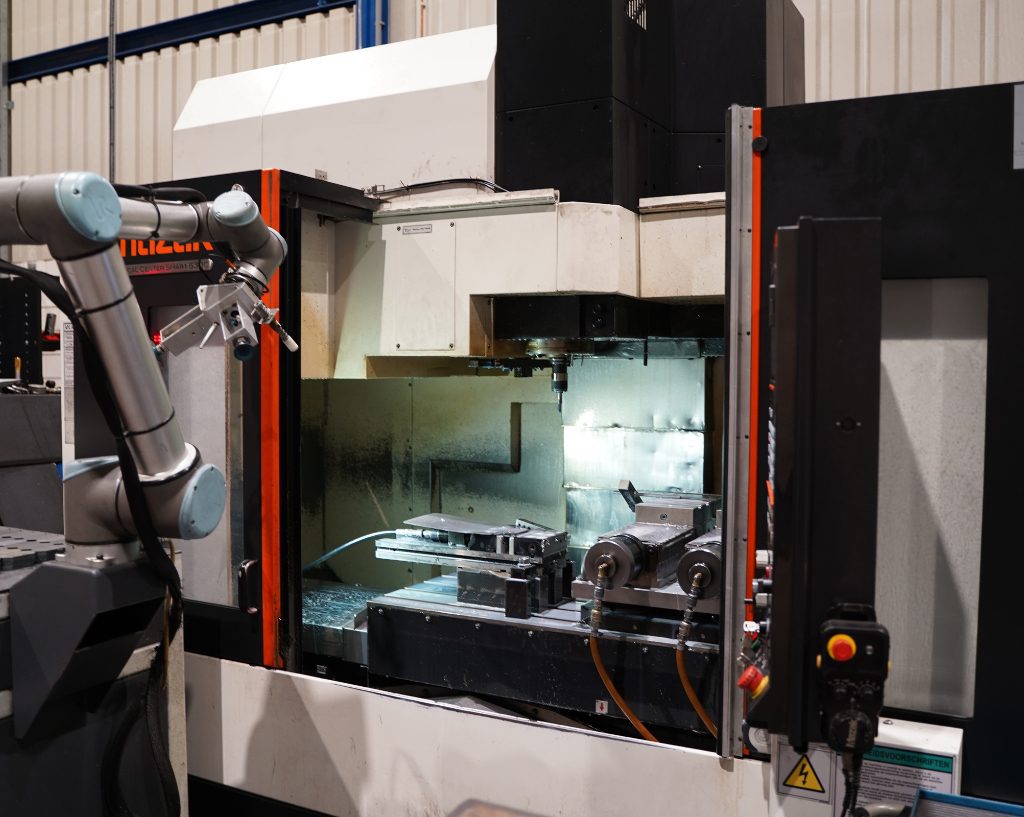
In the Netherlands, there’s a strong focus on training and development. Thanks to Eastmen, I was placed in a company that uses modern CNC technology, and I had the chance to work on advanced machines I hadn’t seen in Hungary. This not only improved my skills but also boosted my confidence as a programmer. Even if you only stay temporarily, you’ll come back to Hungary with valuable experience that can help you get better jobs.
CAREER GROWTH AND LEARNING
A big advantage of working in the Netherlands through Eastmen is that you don’t have to commit long-term. Many jobs are available on a temporary basis, meaning you can work for a few months, earn good money, and then return home.
During my time there, I met other Hungarians working through Eastmen on temporary contracts. They earned much more than they could in Hungary, saved a significant amount of money, and gained new skills they wouldn’t have learned back home. This makes working in the Netherlands a great way to build your future without having to leave Hungary permanently.
CONCLUSION
If you’re a CNC operator or programmer in Hungary and you’re looking for a way to advance your career, earn more, and experience working abroad, I highly recommend trying the Netherlands—especially with the help of Eastmen. They handle everything from finding a job to sorting out housing, insurance, and your BSN number, so you don’t have to worry about the details.
Whether you want to stay temporarily or explore long-term options, working in the Netherlands is a fantastic opportunity to save money, improve your skills, and enjoy a new culture. Give it a try—you won’t regret it!
Looking for a job in the Netherlands? Have a look at our available jobs and apply below.
Autumn in the Netherlands is a season of transition—vivid colors, cozy traditions, and unpredictable weather. For expats, the Dutch fall experience can be both enchanting and challenging, especially if it’s your first time in the country. Here’s a guide to help you prepare for autumn in the Netherlands so you can enjoy the season to the fullest.
EMBRACE THE DUTCH WEATHER
Autumn in the Netherlands can be famously unpredictable. One minute, the sun is shining; the next, you’re caught in heavy rain. Temperatures usually range between 10°C and 17°C, but it can feel much colder due to wind and rain.
Key Tips:
Layer up: Dutch weather calls for layering. A light sweater, a scarf, and a waterproof jacket will be your best friends. Carry an umbrella or a packable raincoat at all times!
Waterproof footwear: Rain is frequent, so invest in good, waterproof shoes or boots that are comfortable for long walks or cycling.
Windproof gear: The wind in the Netherlands can be surprisingly strong, especially in coastal areas. A windproof jacket will keep you comfortable during your autumn excursions.
TRY AUTUMN DUTCH CUISINE
Dutch cuisine is well-suited for the colder months, with hearty, warming dishes that will get you through chilly days. Autumn is the perfect time to explore local comfort foods.
Seasonal Dutch dishes to try:
Stamppot: A traditional dish of mashed potatoes mixed with vegetables such as kale or sauerkraut, often served with smoked sausage (rookworst).
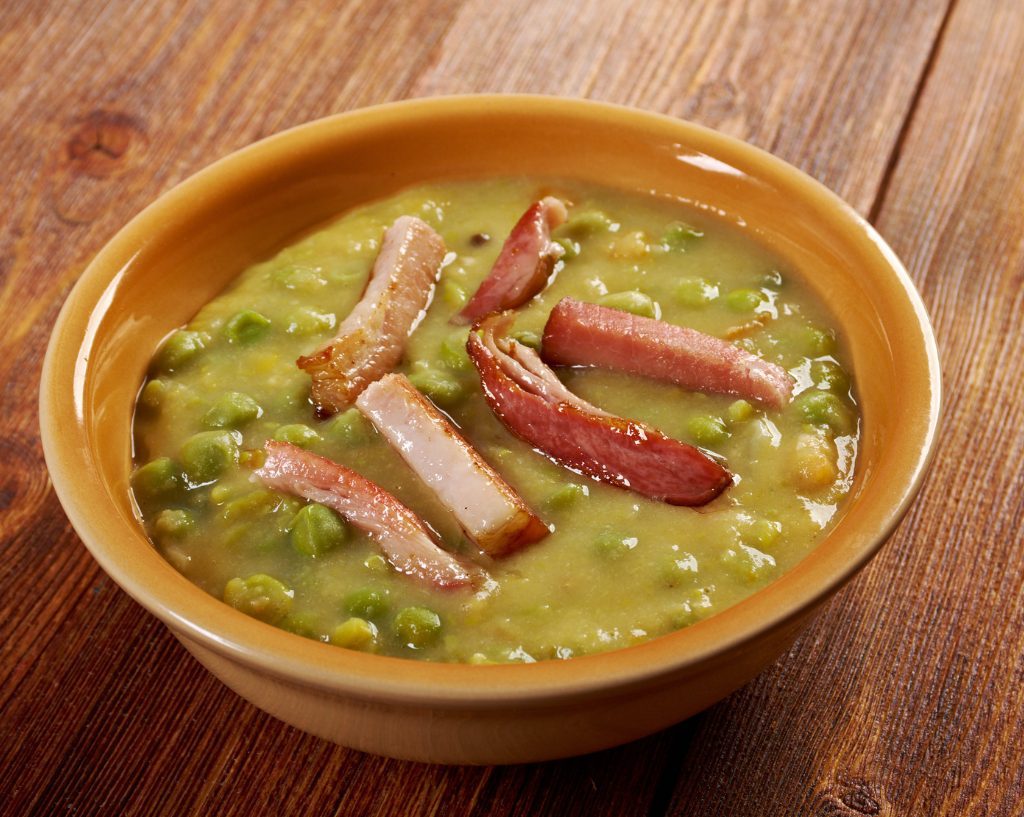
Erwtensoep: Also known as pea soup, this thick soup made with split peas and sausage, is a Dutch favorite during colder months.
Boterkoek: A buttery, dense cake that’s perfect with a cup of coffee on a rainy afternoon.
GET OUT AND EXPLORE THE OUTDOORS
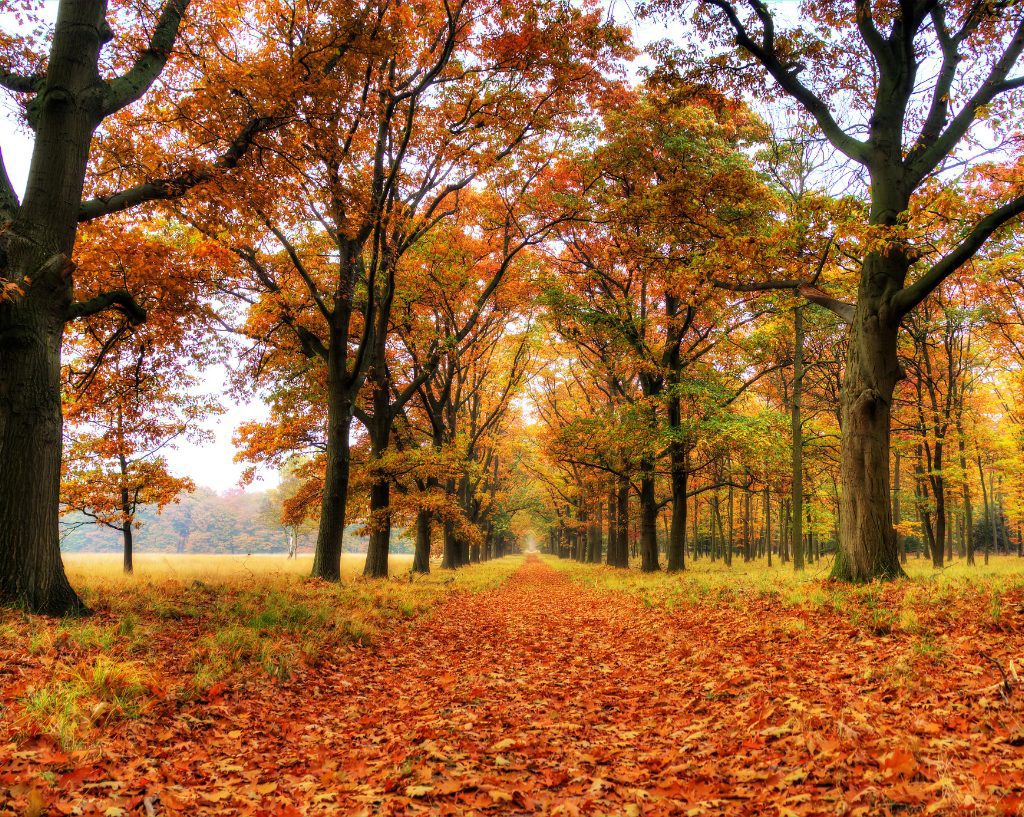
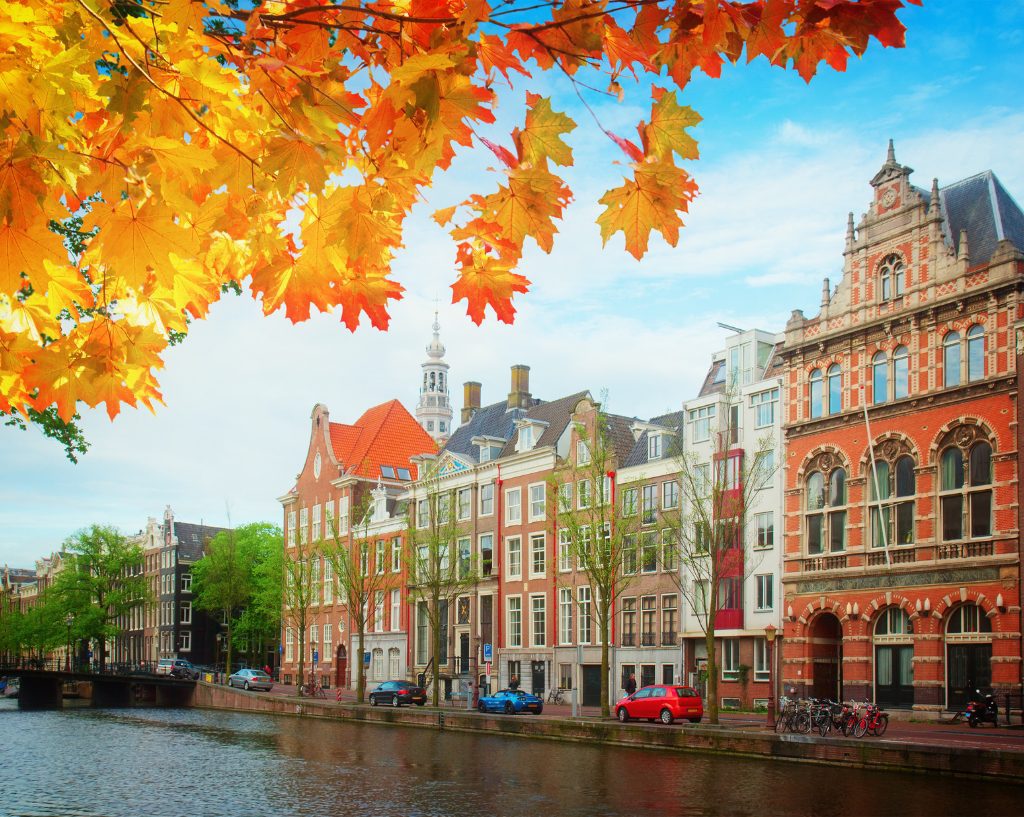
Autumn is one of the most beautiful seasons in the Netherlands, with trees turning into vibrant shades of red, orange, and yellow. Despite the weather, Dutch people embrace the outdoors year-round, and you should too!
Outdoor activities:
Visit national parks: The Netherlands has several national parks that come alive in autumn. The Hoge Veluwe and Nationaal Park Zuid-Kennemerland are perfect for long walks or cycling and admiring stunning autumn foliage.
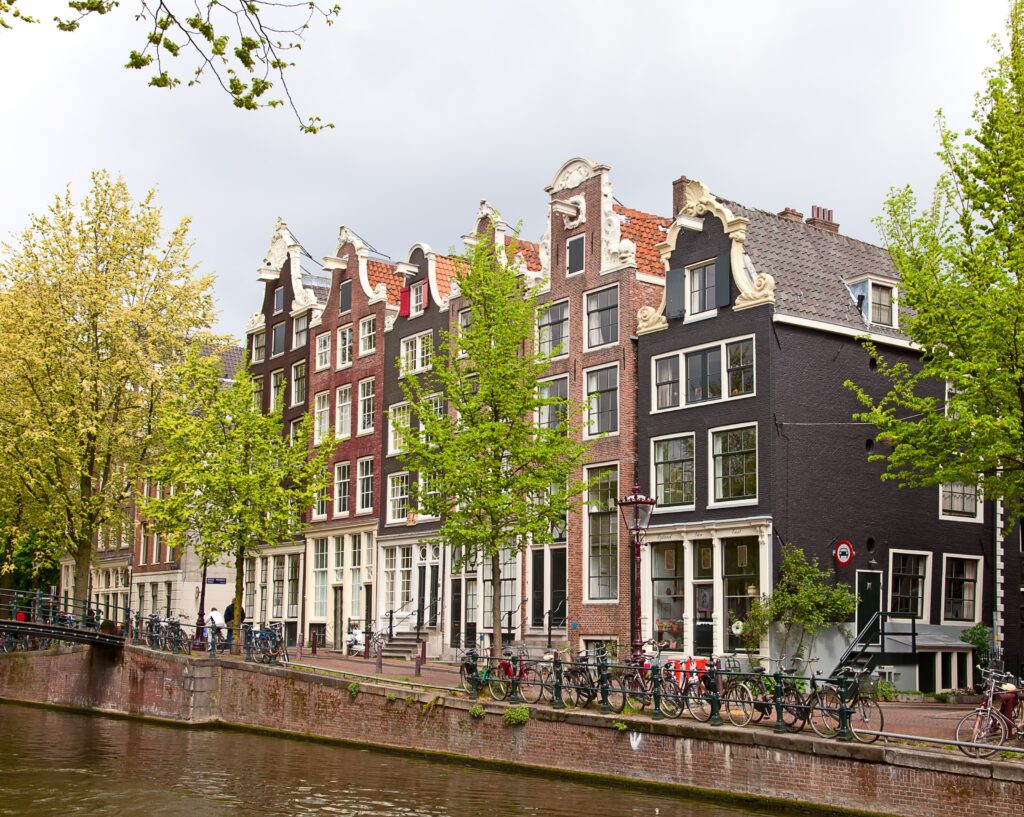
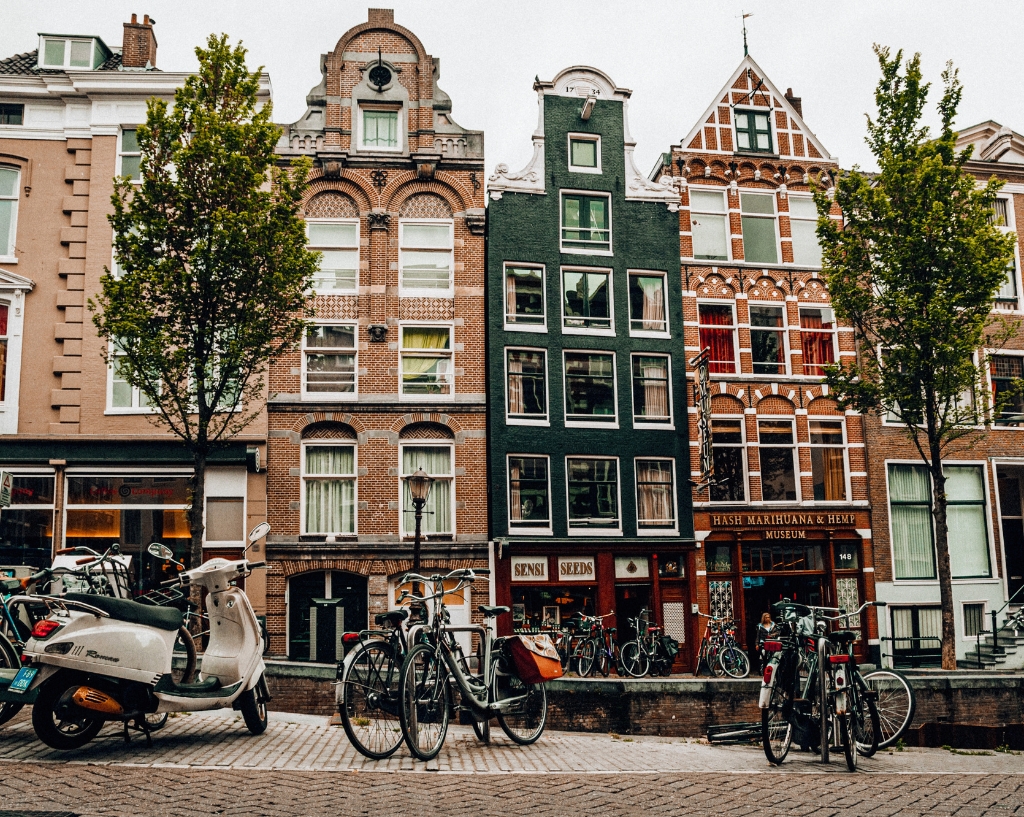
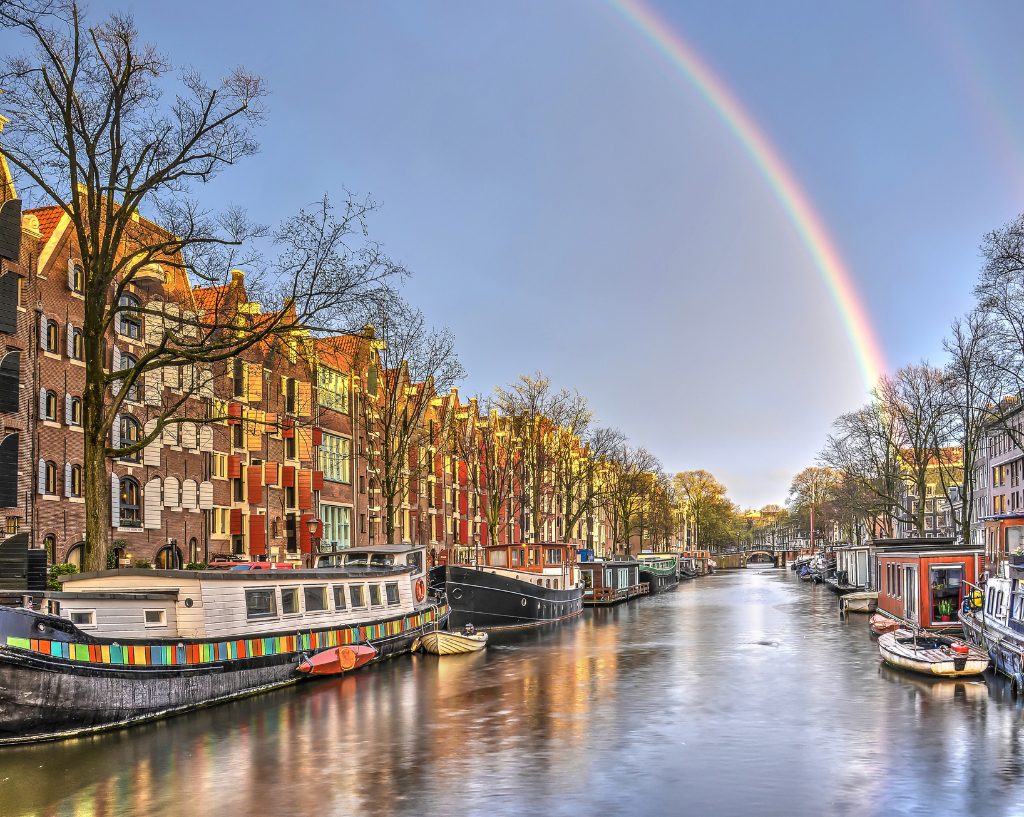
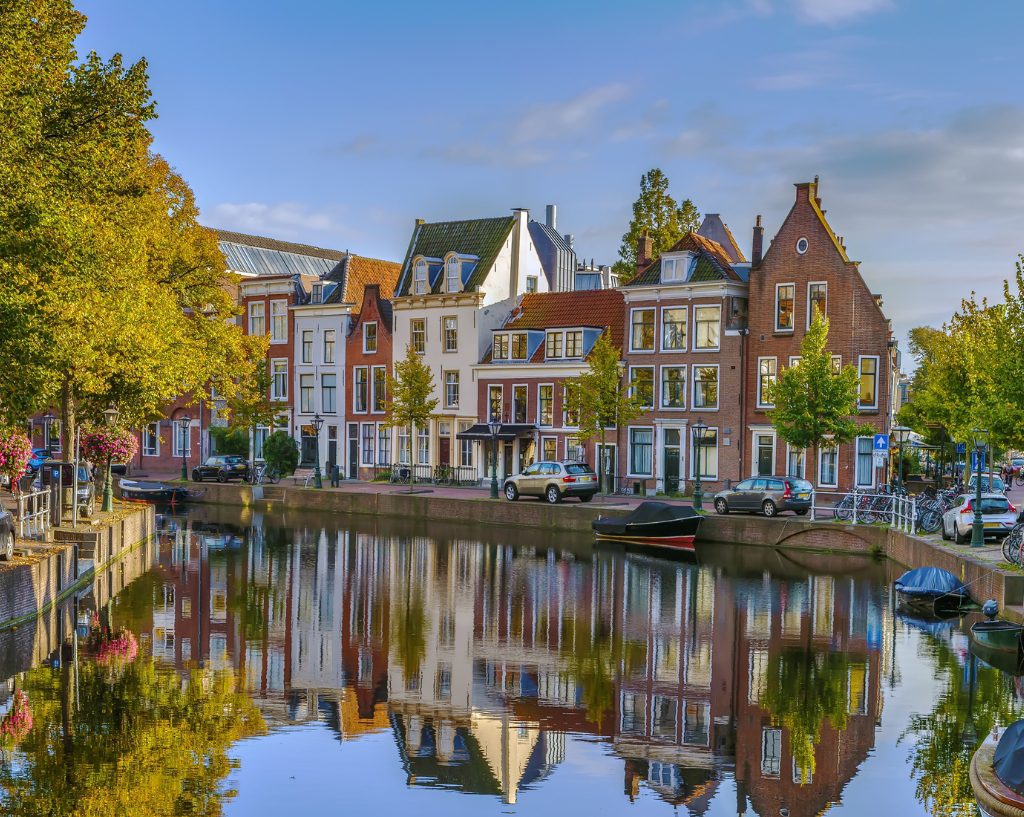
City walks and canal tours: Dutch cities like Amsterdam, Utrecht, and Leiden are beautiful in the autumn. Wander through the streets, enjoy the fall colors reflected in the canals, and take in the cozy atmosphere.
Fall festivals: Autumn is also festival season in the Netherlands. Check out events like Leiden’s 3 October Festival or Amsterdam Dance Event (ADE), a massive electronic music festival, to embrace Dutch culture.
SOCIALIZE DUTCH STYLE
Autumn is a great time to embrace Dutch social traditions. The colder weather and shorter days make people naturally gravitate toward cozy, indoor gatherings.
Social traditions to try:
Borrels: A Dutch “borrel” is an informal get-together, often involving drinks and snacks. Invite friends over for a borrel, or attend one at a local bar to meet new people.
Sinterklaas preparation: While Sinterklaas (Saint Nicholas) officially arrives in mid-November, the excitement starts building in autumn. Look out for early celebrations, and maybe even start learning the Sinterklaas songs!
CONCLUSION
Autumn in the Netherlands offers a unique mix of cozy indoor time, beautiful outdoor scenes, and cultural experiences. By preparing properly and embracing the Dutch way of life, you’ll find that the season is something to look forward to. Whether you’re enjoying a rainy day inside with a hot drink or cycling through the golden hues of a Dutch forest, autumn can be a truly magical time in your expat adventure.
Looking for a job in the Netherlands? Have a look at our available jobs and apply below.
HOLIDAY IN THE NETHERLANDS: DISCOVER THE LAND OF TULIPS AND WINDMILLS
Planning a holiday in the Netherlands can be one of the most memorable travel experiences. With its picturesque landscapes, charming canals, and impressive architecture, the Netherlands offers something special for every tourist. In this article, we will explore the most important attractions and activities that you can include in your itinerary for an unforgettable vacation in the Netherlands.
AMSTERDAM
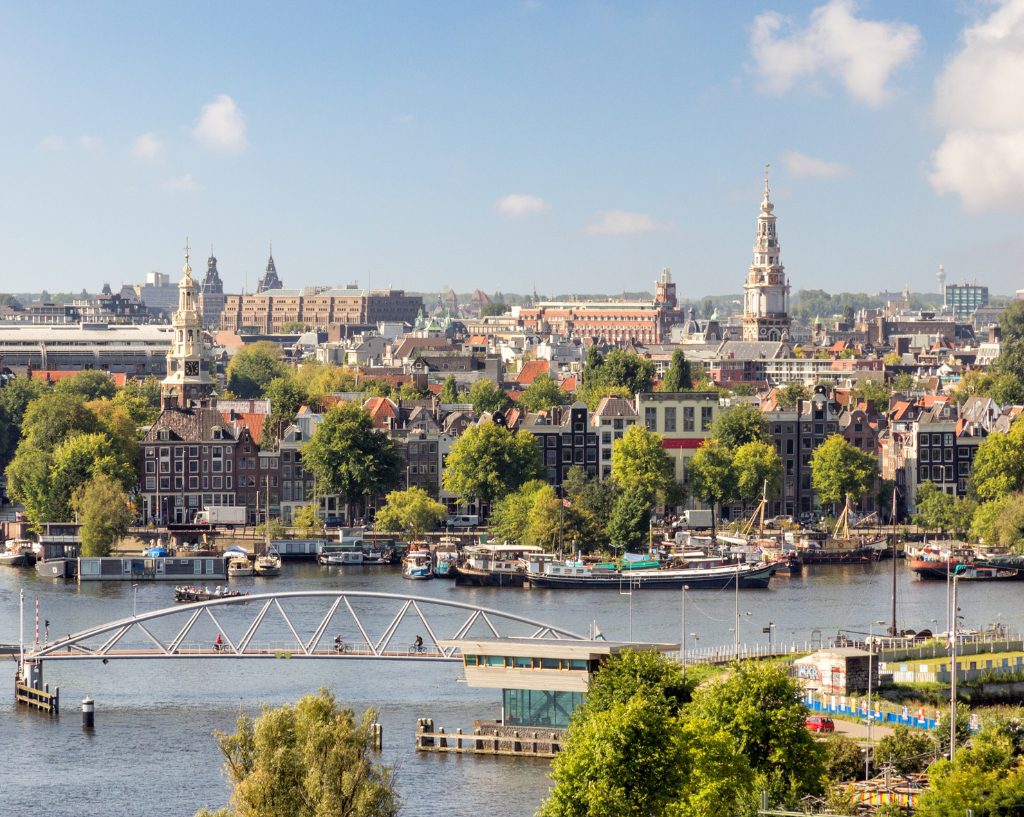
As the cultural heart of the Netherlands’ museums and art galleries, Amsterdam is renowned for its world-class museums. The Rijksmuseum hosts artworks by Dutch masters such as Rembrandt and Vermeer. Additionally, the Van Gogh Museum is a must-visit for art enthusiasts, showcasing an impressive collection of the artist’s works.
Another fascinating aspect of Amsterdam is its canals. A boat tour along the city’s canals offers a unique perspective on its architecture and history. You can opt for guided tours that provide detailed information about every corner of the city.
ROTTERDAM
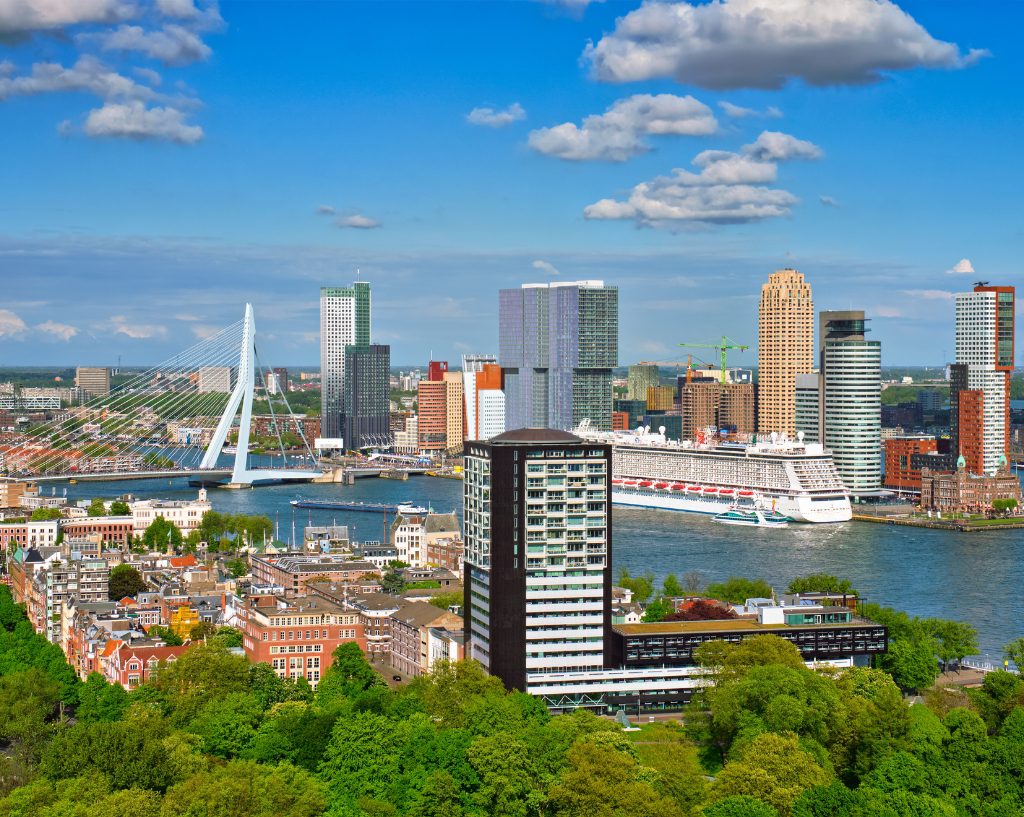
Rotterdam is known for being the modern city of architecture iconic buildings. Top attractions include the Erasmus Bridge and the cube houses. This vibrant city offers a unique blend of old and new, ideal for architecture enthusiasts.
For those interested in art and culture, the Boijmans Van Beuningen Museum is a must-visit. It houses a vast collection of European art, ranging from Renaissance paintings to contemporary works.
DELFT
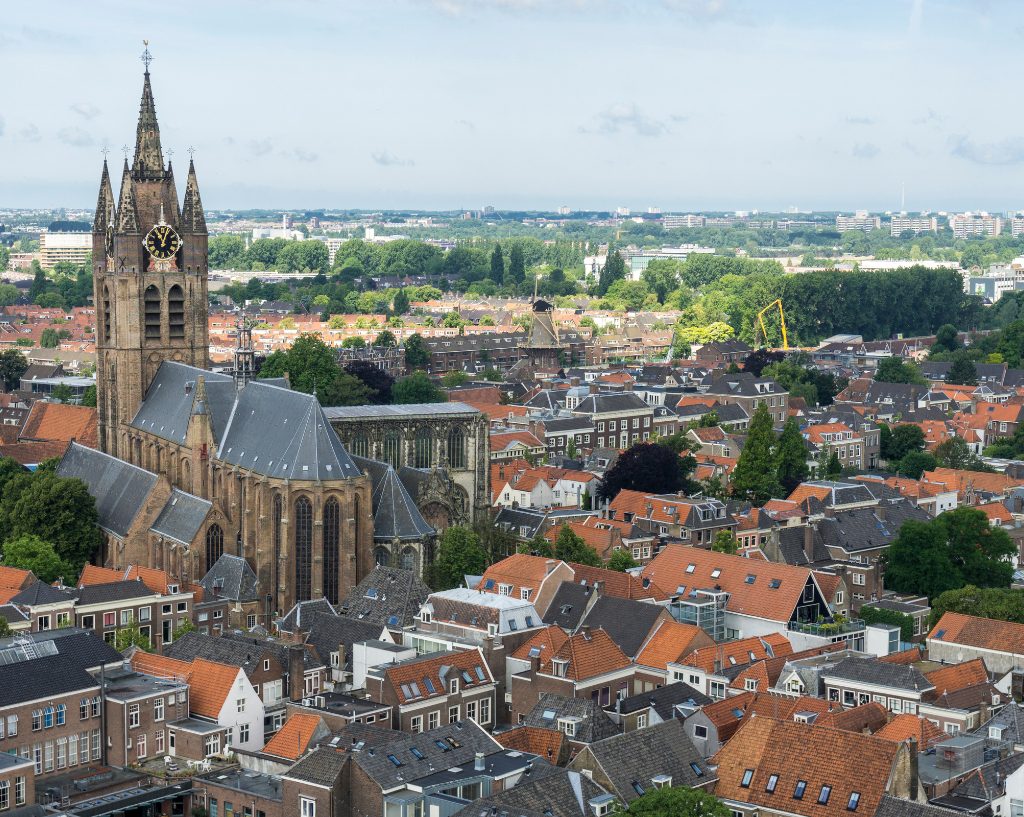
Delft, the city of Vermeer, ceramics and porcelainis, is famous for its blue pottery, known as Delftware. Visit one of the traditional pottery factories to see how these artworks are made and to purchase authentic souvenirs.
Delft is also the birthplace of the renowned painter Johannes Vermeer. Visit the places that inspired him and learn more about his life and work at the Vermeer Museum.
UTRECHT
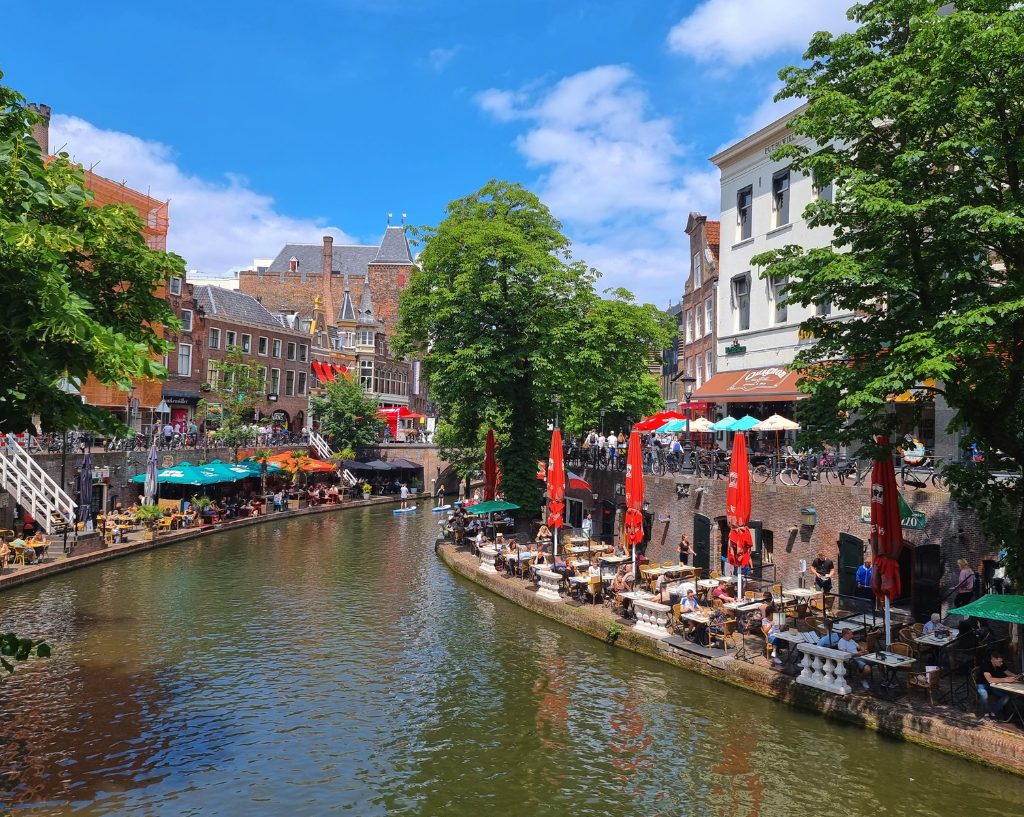
Known as the city of canals and the Dom Tower, Utrecht is unique because of the waterside terraces where you can enjoy a delightful meal outdoors. Also, don’t miss a visit to the Dom Tower, the city’s symbol, from where you can admire a panoramic view of the entire city.
For train enthusiasts, the Railway Museum in Utrecht offers a captivating journey through the history of Dutch railways. The museum is suitable for all ages and offers both interactive exhibitions and historical trains.
GIETHOORN
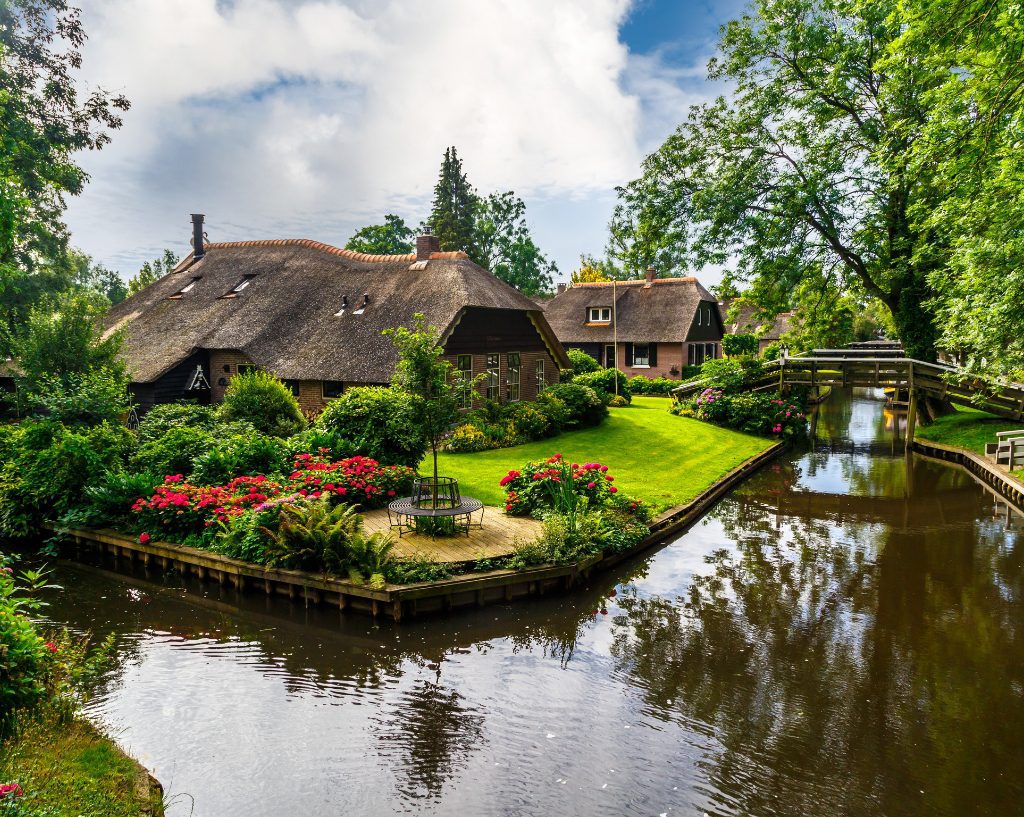
Giethoorn, often called the “Venice of the North,” is an idyllic village without roads, where transportation is done by boat on canals. Here, you can rent a boat and peacefully explore this corner of paradise.
The village is renowned for its traditional houses with thatched roofs and well-kept gardens. It’s the perfect place for a relaxing day in nature, away from the commotion of big cities.
NATIONAL PARKS & NATURE
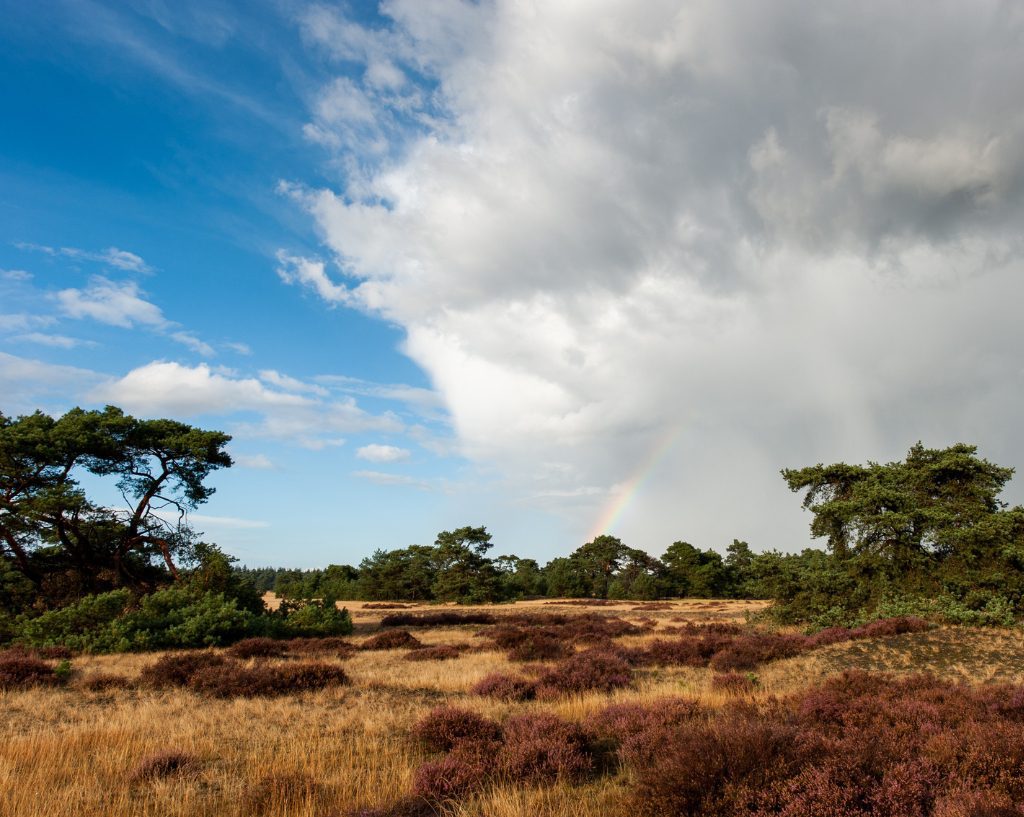
The Netherlands isn’t just about cities and canals; it also offers stunning natural landscapes. Hoge Veluwe National Park is one of the largest nature reserves in the country, where you can hike, cycle, and observe local wildlife.
If you visit the Netherlands in spring, you should go see the Keukenhof Gardens. In spring, it burst into a riot of colors with millions of blooming tulips. It’s one of the largest flower gardens in the world and a must-visit for nature enthusiasts.
CONCLUSION
A vacation in the Netherlands offers a perfect blend of culture, history, and nature. Whether you’re interested in art and museums in Amsterdam, modern architecture in Rotterdam, or picturesque landscapes in Giethoorn, the Netherlands has something special for every tourist. Plan your trip and discover why this small country is one of the most fascinating destinations in Europe.
If you are fascinated by the Netherlands and would like to live and work here, Eastmen can help you find a job with accommodation.
Looking for a job in the Netherlands? Have a look at our available jobs and apply below.
Deciding to embark on a work opportunity abroad is not just about finding a job—it’s about embracing a new lifestyle, exploring different cultures, and navigating unfamiliar landscapes. For many expatriates and temporary workers, the choice between countries can significantly impact their professional growth and personal experiences. In this blog, we’ll take an in-depth look at what it’s like to live and work in two distinct European countries: the Netherlands and Romania.
JOB OPPORTUNITIES AND ECONOMY
Romania, as an emerging economy within the European Union, presents opportunities primarily in sectors like IT, manufacturing, and services. While salaries are generally lower compared to Western European standards, they are competitive within the local market.
The job market in the Netherlands, on the other hand, is robust and diverse, with strong industries including technology, finance, and logistics. Salaries here are generally higher than in Romania, reflecting the country’s prosperous economic status within Europe.
COST OF LIVING
The cost of living in Romania is generally lower than in the Netherlands. Expenses such as rent, groceries, and transportation are more affordable, making it feasible to maintain a comfortable lifestyle on a modest income.
On the other hand, living costs in the Netherlands, especially in major cities like Amsterdam and Rotterdam, are higher. Rent prices are steep, and everyday expenses tend to be on the pricier side. However, higher salaries in the Netherlands often offset these costs, providing residents with a higher standard of living.
QUALITY OF LIFE
CULTURAL DIFFERENCES
Romania offers a rich cultural heritage and scenic beauty, with historic cities like Bucharest and Brasov offering picturesque landscapes and vibrant cultural scenes. Life here can be characterized by a slower pace and strong community ties, with affordable healthcare contributing to a comfortable lifestyle.
In comparison, the Netherlands is renowned for its excellent quality of life, efficient public services, and strong infrastructure. Residents enjoy comprehensive healthcare, sustainable living practices, and a progressive society that values diversity and innovation.
CULTURAL DIFFERENCES
Romania’s culture reflects its Eastern European roots, blending traditions from neighboring countries into its cuisine, festivals, and hospitality. Family values and close-knit communities play a significant role in daily life.
In contrast, the Netherlands embraces individuality and direct communication. The society is open-minded and tolerant, with a strong emphasis on sustainability and environmental consciousness. English proficiency is widespread, facilitating integration into Dutch society for expatriates.
WORK ENVIRONMENT AND CAREER DEVELOPMENT
Romania’s work environment is evolving rapidly, particularly in sectors such as technology and outsourcing, offering opportunities for career growth and development. Companies vary in their approaches, with some emphasizing innovation and adaptability.
In the Netherlands, the work culture is characterized by efficiency, collaboration, and a strong commitment to employee well-being. Companies prioritize professional development, offering training programs and flexible work arrangements that support career advancement.
CONCLUSION
Choosing between Romania and the Netherlands for work involves considering factors such as job opportunities, cost of living, quality of life, cultural differences, and career prospects. While Romania offers affordability and cultural richness, the Netherlands provides higher salaries, a superior standard of living, and a progressive society. Both countries offer unique experiences and opportunities for personal and professional growth, making them attractive destinations for those seeking to work abroad.
Looking for a job in the Netherlands? Have a look at our available jobs and apply below.
WORKING IN THE NETHERLANDS THROUGH AN UITZENDBUREAU
The Netherlands is very interesting for professionals in technical and transport fields like welders, mechanics, CNC millers or turners, truck drivers and more. For those considering a career move, using the services of an uitzendbureau (employment agency), can significantly increase their chances of finding a job that suits them. With its high standard of living, vibrant culture and robust economy, the Netherlands draws people from all the corners of the globe. So why should you choose to work through an uitzendbureau?
ACCESS TO A WIDE RANGE OF OPPORTUNITIES
Uitzendbureaus are like the ultimate job matchmakers, keeping their fingers on the pulse of numerous industries. They’ve got connections everywhere, which means they can hook you up with all sorts of job opportunities. And here’s the best part: they’re not just talking about the jobs you see posted on every website or bulletin board. Nope, they’ve got access to a whole hidden world of positions that you might not find anywhere else.
So whether you’re looking for something short-term to fill the gap or aiming for that dream career you’ve been eyeing for years, these uitzendbureaus are experts at finding the perfect fit for you. They’re like the fairy godmothers of the job market, waving their wands and making sure you end up in just the right spot.
SIMPLIFIED JOB SEARCH
Searching for a job can feel like a never-ending task, especially when you’re navigating a new country’s job market. It’s a process that eats up your time and can leave you feeling stressed out. But fear not, because uitzendbureaus are here to make your life easier.
These uitzendbureaus take the hassle out of job hunting by handling most of the work for you. They’ll ask about your skills, your work experience, and what you’re looking for in a job. Armed with that information, they’ll go out and find job opportunities that match what you’re after. So instead of spending hours scrolling through job listings and adjusting your resume, you can relax knowing that the uitzendbureau is working hard to find you the perfect job. This means you’ll have more time to focus on getting ready for interviews, polishing your skills, or simply exploring your new surroundings.
SUPPORT AND GUIDANCE
FLEXIBLE AND QUICK
Uitzendbureaus offer valuable support and guidance throughout the job search process. From helping you refine your CV to providing interview coaching, they are there to ensure you present your best self to potential employers.
Uitzendbureaus in The Netherlands have in-depth knowledge of the local job market and employment laws. They can offer insights into industry trends, salary expectations, and working conditions, ensuring you make informed decisions about your career. This local expertise is especially beneficial for expatriates who may be unfamiliar with the Dutch job market.
One of the biggest advantages of working through an uitzendbureau is the flexibility it offers. Many agencies specialize in temporary and contract work, allowing you to gain experience in different roles and industries. This variety can be a great way to build your skills and expand your professional network.
Because uitzendbureaus are constantly in touch with employers looking to fill positions, they can often place candidates in jobs quickly. This is particularly advantageous if you’re looking to start work immediately or if you’re transitioning from another job.
SUPPORT AND GUIDANCE
FLEXIBLE AND QUICK
Uitzendbureaus offer valuable support and guidance throughout the job search process. From helping you refine your CV to providing interview coaching, they are there to ensure you present your best self to potential employers.
Uitzendbureaus in The Netherlands have in-depth knowledge of the local job market and employment laws. They can offer insights into industry trends, salary expectations, and working conditions, ensuring you make informed decisions about your career. This local expertise is especially beneficial for expatriates who may be unfamiliar with the Dutch job market.
One of the biggest advantages of working through an uitzendbureau is the flexibility it offers. Many agencies specialize in temporary and contract work, allowing you to gain experience in different roles and industries. This variety can be a great way to build your skills and expand your professional network.
Because uitzendbureaus are constantly in touch with employers looking to fill positions, they can often place candidates in jobs quickly. This is particularly advantageous if you’re looking to start work immediately or if you’re transitioning from another job.
CONCLUSION
Working in The Netherlands through an uitzendbureau offers numerous benefits, from accessing a wide range of job opportunities to receiving valuable support and guidance. The flexibility, local expertise, and quick placement options provided by these agencies make them an excellent choice for anyone looking to advance their career in The Netherlands. If you’re considering a move to this dynamic country, partnering with an uitzendbureau could be your key to success.
Looking for a job in the Netherlands? Have a look at our available jobs and apply below.
Hey there, fellow CNC enthusiasts! Are you in need of a change in scenery? Perhaps you’re on the lookout for a place where your expertise in precision engineering can truly develop and where work-life balance isn’t just a catchphrase but a way of life. If so, let me introduce you to the Netherlands – a country that’s not only renowned for its tulips and windmills but also for its thriving manufacturing sector and vibrant tech scene. Let’s explore why the Netherlands is the place to be if you are a CNC expert.
EXPLORING LOTS OF OPPORTUNITIES
Imagine stepping into a world where every machine works flawlessly, creating perfect parts with incredible accuracy. That’s what it’s like in the Netherlands, where CNC experts are highly sought after. Whether you’re interested in aerospace, automotive, electronics, or medical devices, there’s a place for you to excel. The country’s robust manufacturing sector ensures that there’s always a demand for skilled CNC professionals, making it the perfect place to take your career to new heights.
EMBRACING CUTTING-EDGE TECHNOLOGY
In the Netherlands, you’ll have access to the latest CNC machinery and software. These tools are not just machines – they’re like magic wands that allow you to create amazing things with precision and skill. And let’s talk about compensation. Dutch companies understand the importance of rewarding talent, which is why they offer competitive salaries and attractive benefits packages. From generous vacation days to flexible work arrangements, they prioritize the well-being and satisfaction of their employees, ensuring that your hard work is duly recognized and rewarded.
THRIVING IN A SUPPORTIVE ENVIRONMENT
But it’s not just about the paycheck – it’s about the technology too. In the Netherlands, you’ll have access to some of the most cutting-edge CNC machinery and software in the world. These tools aren’t just tools – they’re gateways to innovation, allowing you to push the boundaries of what’s possible and bring your boldest ideas to life.
The Netherlands has a supportive ecosystem for CNC professionals. From top-notch research institutions to specialized training centers, there are plenty of resources available to help you grow and succeed in your career.
COLLABORATING IN A DIVERSE COMMUNITY
One of the best things about working in the Netherlands is the opportunity to collaborate with people from all over the world. The multicultural work environment fosters creativity and innovation, leading to groundbreaking solutions and projects. Collaborating with individuals from diverse backgrounds enriches teamwork and promotes cultural understanding. Moreover, exposure to different viewpoints encourages personal growth and broadens professional horizons. Overall, the inclusive atmosphere in the Netherlands inspires collaboration and drives collective success in the pursuit of excellence.
CONCLUSION
The Dutch work culture values work-life balance and encourages employees to have a good balance between work and leisure. This means you’ll have time to enjoy life outside of work while still excelling in your career.
So, if you’re a CNC expert looking for a place where you can thrive and grow, consider making the Netherlands your next destination. With its abundant opportunities, competitive compensation, cutting-edge technology, supportive environment, diverse community, and balanced work culture, it’s the perfect place to take your career to the next level.
Looking for a job in the Netherlands? Have a look at our available jobs and apply below.