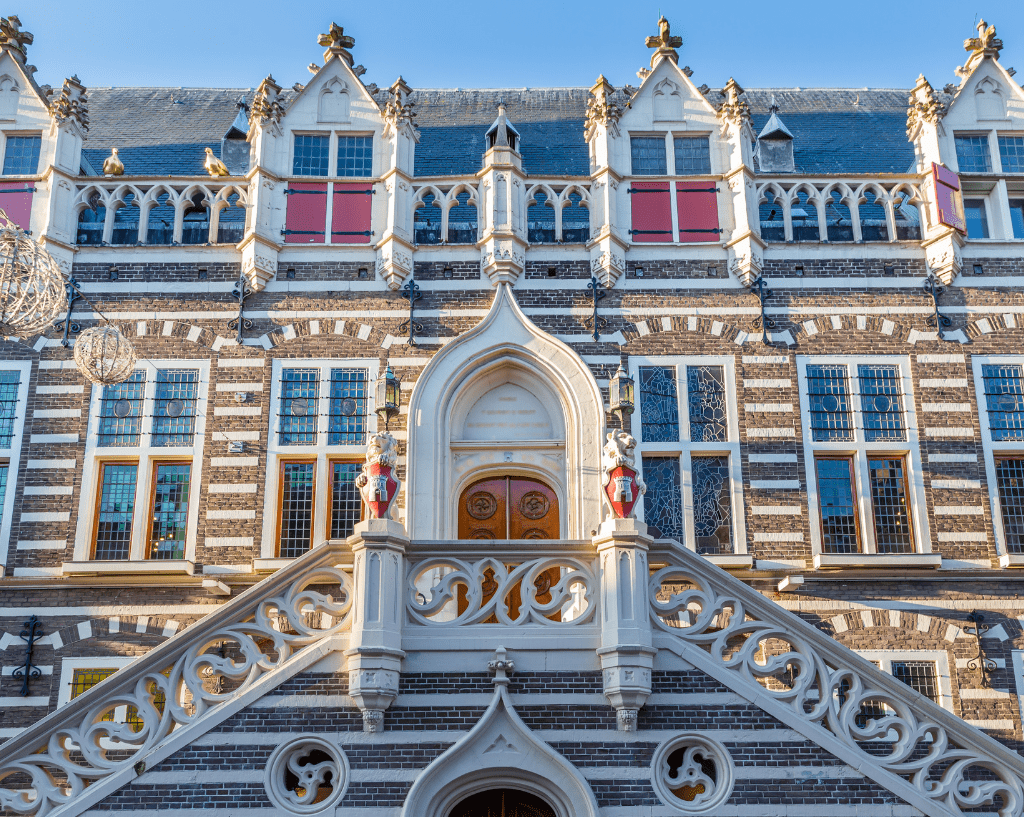
The most important reason to have a BSN is because without it you cannot receive your salary in the Netherlands. The BSN is also required for other things such as opening a bank account, applying for health insurance or government benefits. Foreigners who live in the Netherlands temporarily for work purposes can register as non-residents at one of the 19 town halls specifically intended for them. To facilitate this, our coordinators will make an appointment for you. The BSN is received on the spot, after you have attended the appointment.
2. TAKE OUT HEALTH INSURANCE
Basic health insurance is compulsory for everyone living or working in the Netherlands. There are many insurance companies to choose from and websites specifically made to compare their prices and what they offer you. If you don’t want to deal with this, you can choose to have us conclude the insurance for you at Zorg en Zekerheid.
3. APPLY FOR DIGID
DigiD is a way to identify yourself online in order to be able to solve certain things such as income taxes or applying for certain government benefits. After you have obtained a BSN you can apply for one free in the DigiD app or by visiting their website.
4. REGISTER WITH A GENERAL PRACTITIONER
It is recommended that you register with a general practitioner (huisarts in Dutch) as soon as possible because it can be difficult to find a general practitioner who accepts new patients. Here you can find a list of family doctors sorted by city. You can also search in the phone book if you write ‘huisarts’ and the city where you are looking for one.
5. DOWNLOAD THE FLITSMEISTER APP
If you are going to drive in the Netherlands, it is advisable to download the Flitsmeister app. It shows you what the speed limit is or if there is a control on your route (traject controle in Dutch = an area where your speed is measured when you enter it and when you leave it. If your average speed is higher than the speed limit, you will receive a fine, 100%).
Do you need a job before competing this checklist? Have a look at our available vacancies.
Having a basic health insurance is compulsory for all people living or working in the Netherlands. What is included in this basic insurance is set by the Dutch government. Apart from the basic insurances there are also additional insurances if you need more coverage. Health insurers are the ones who determine what is included in these additional insurances.
BASIC HEALTH INSURANCE
The basic insurance covers standard care from, for example, a general practitioner, hospital or pharmacy. An excess applies to most care in the basic package. Personal contributions may also apply.
The main features of basic health insurance are:
Basic health insurance is compulsory for all people living or working in the Netherlands, including children
The basic package and its cost is the same for everyone regardless of age or health
The government determines annually what the basic insurance contains, and its content can change annually
The government also sets the amount of the own risk and the health allowance
The own risk does not apply to certain treatments such as GP care or obstetric care
Health insurers are required to offer basic insurance to anyone and may not refuse anyone for any reason whatsoever
WHEN DO YOU HAVE TO PAY THE OWN RISK?
IN WHICH SITUATIONS DOESN’T YOUR OWN RISK APPLY?
The own risk is paid from the age of 18, when you use the care provided in the basic package. The amount of own risk is determined annually by the Dutch government. In 2023 it is set at €385. This means that you pay the first €385 yourself if healthcare costs are not insured.
For example, if you need an operation that costs €1000, you will pay €385 and the insurance will pay €615. The €385 is paid only once a year, so if after the €1000 surgery you need another €1000 surgery, this amount will be paid fully by the insurance.
GP care (including out-of-hours GP service)
Obstetric care and maternity care
Non-invasive prenatal test (NIPT) and 20-week ultrasound
Certain care for a number of chronic diseases (type 2 diabetes, COPD and CVR)
District medical assistance
Follow-up checks for organ donation
Travel costs for organ donation
Combined lifestyle intervention (a program for overweight or obese people)
WHEN DO YOU HAVE TO PAY THE OWN RISK?
The own risk is paid from the age of 18, when you use the care provided in the basic package. The amount of own risk is determined annually by the Dutch government. In 2023 it is set at €385. This means that you pay the first €385 yourself if healthcare costs are not insured.
For example, if you need an operation that costs €1000, you will pay €385 and the insurance will pay €615. The €385 is paid only once a year, so if after the €1000 surgery you need another €1000 surgery, this amount will be paid fully by the insurance.
IN WHICH SITUATIONS DOESN’T YOUR OWN RISK APPLY?
GP care (including out-of-hours GP service)
Obstetric care and maternity care
Non-invasive prenatal test (NIPT) and 20-week ultrasound
Certain care for a number of chronic diseases (type 2 diabetes, COPD and CVR)
District medical assistance
Follow-up checks for organ donation
Travel costs for organ donation
Combined lifestyle intervention (a program for overweight or obese people)
VOLUNTARY ADDITIONAL INSURANCE
Costs not covered by the basic medical insurance can be voluntarily insured. These insurances are not mandatory and their content is not determined by the government. Health insurers set the terms and reimbursements. They have the right to refuse insurance to certain people, for example because of an illness that requires more care.
Additional insurance can be dental insurance, physiotherapy, alternative medicine or contact lenses and glasses. For these insurances there is no mandatory own risk. They cover certain costs and the rest of the costs must be paid out of your own pocket. Additional insurances can be concluded with another insurer than that of the basic insurance. The cost of additional insurance differs depending on the package chosen and the selected health insurers.
WHEN AND WHERE CAN I TAKE OUT MEDICAL INSURANCE?
After you have registered at a town hall in the Netherlands, you have 4 months to take out health insurance. Since health insurance is mandatory in the Netherlands, you will pay it from the date you registered at the town hall (even if you only take out insurance in the 3rd or 4th month). For example, if you register at the town hall on February 1st and take out insurance on April 1st, the effective date of the insurance will be February 1st. You will receive a retroactive invoice for February and March.
You can take out medical insurance with any insurance company. Here you can see a list of insurance companies in the Netherlands and on this website you can compare them based on price and what is included in this price. If you want, we can arrange an insurance for you at Zorg en Zekerheid.
CONCLUSION
All people living or working in the Netherlands must have basic health insurance, including children. The insurance must be taken out after registering at the town hall and you can choose whichever Dutch insurance company you want or you can opt for Eastmen to register you at Zorg en Zekerheid. If you want to be insured for additional costs such as dentist costs, you must take out additional health insurance.
If you are looking for a job in the Netherlands you can apply for one of our available positions.
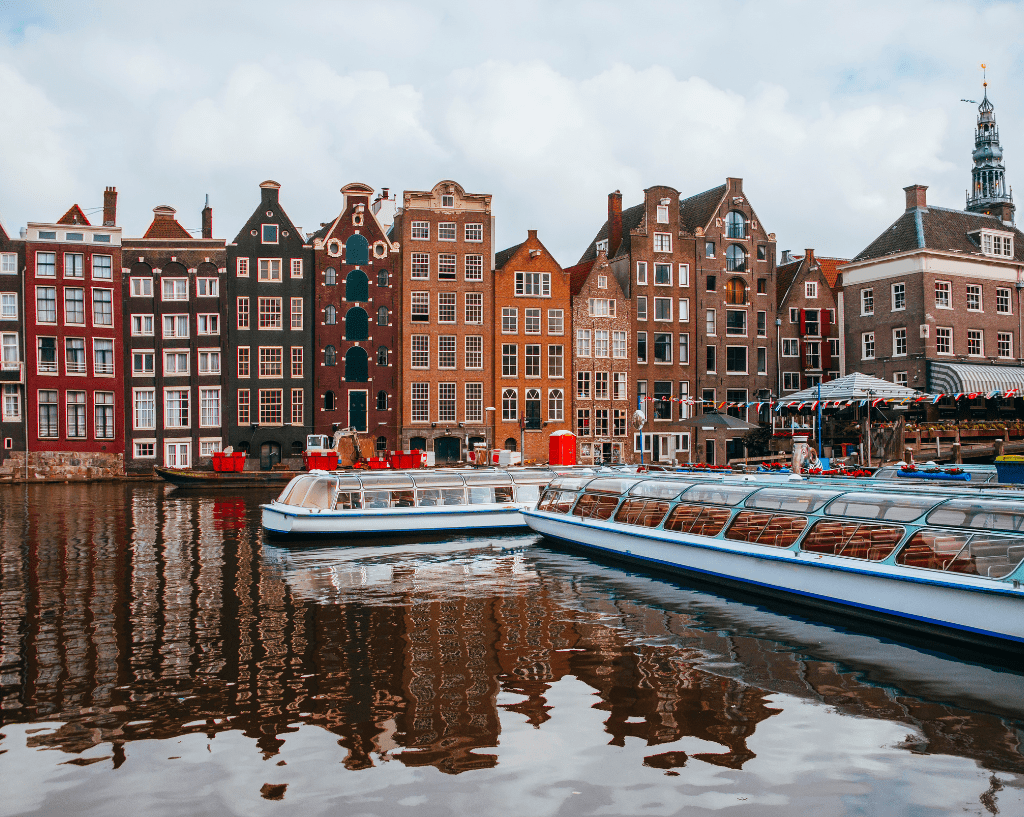
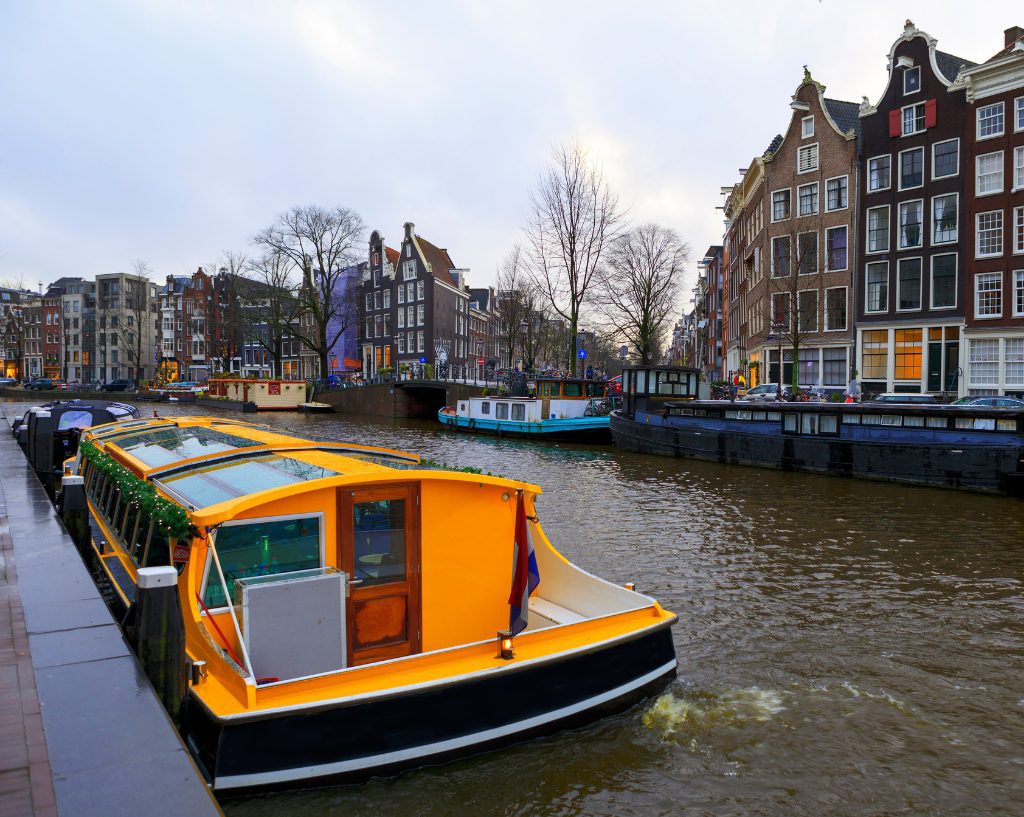
The Netherlands, known as the land of tulips, windmills and water canals. A beautiful and rich country, where the number of bicycles is 2 times higher than the number of cars (18 million). The Netherlands is visited annually by more than 20 million tourists. What tourist attractions can you visit in the Netherlands? This blog will highlight some of the museums that can be visited in the Netherlands.
ANNE FRANK HOUSE
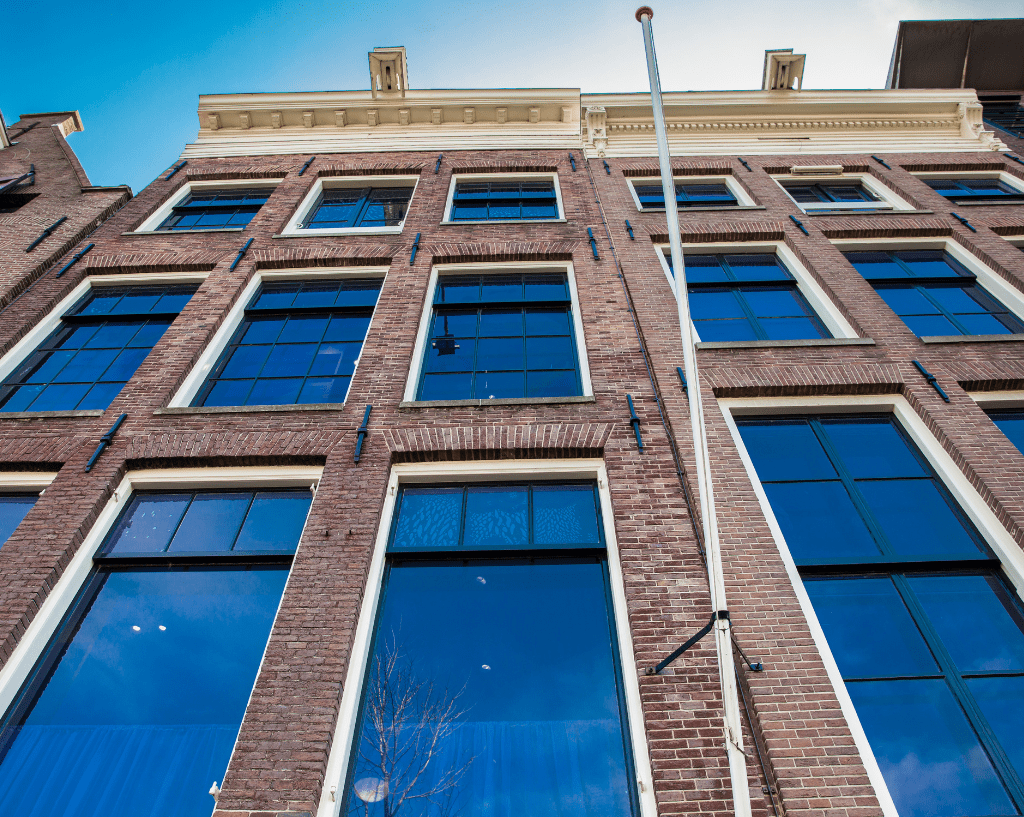
This is one of the top attractions in the Netherlands. It is located in Amsterdam and it is a museum with a story. During World War II, Anne Frank, her family and 4 other people hid in secret rooms in the back building of the Amsterdam canal house. Anne Frank, aged 13, wrote a diary, famous throughout the world, in which she offers an emotional glimpse of her life as a Jew during the Nazi occupation. She did not survive the war, but her diary was published in 1947.
As a visitor, you experience this story through quotes, photos, videos and original objects. In the museum you can see where they hid, there is an exhibition about her life and an exhibition space dedicated to all forms of persecution and discrimination. The museum is on the 3rd place of the most visited museums in the Netherlands.
VAN GOGH MUSEUM
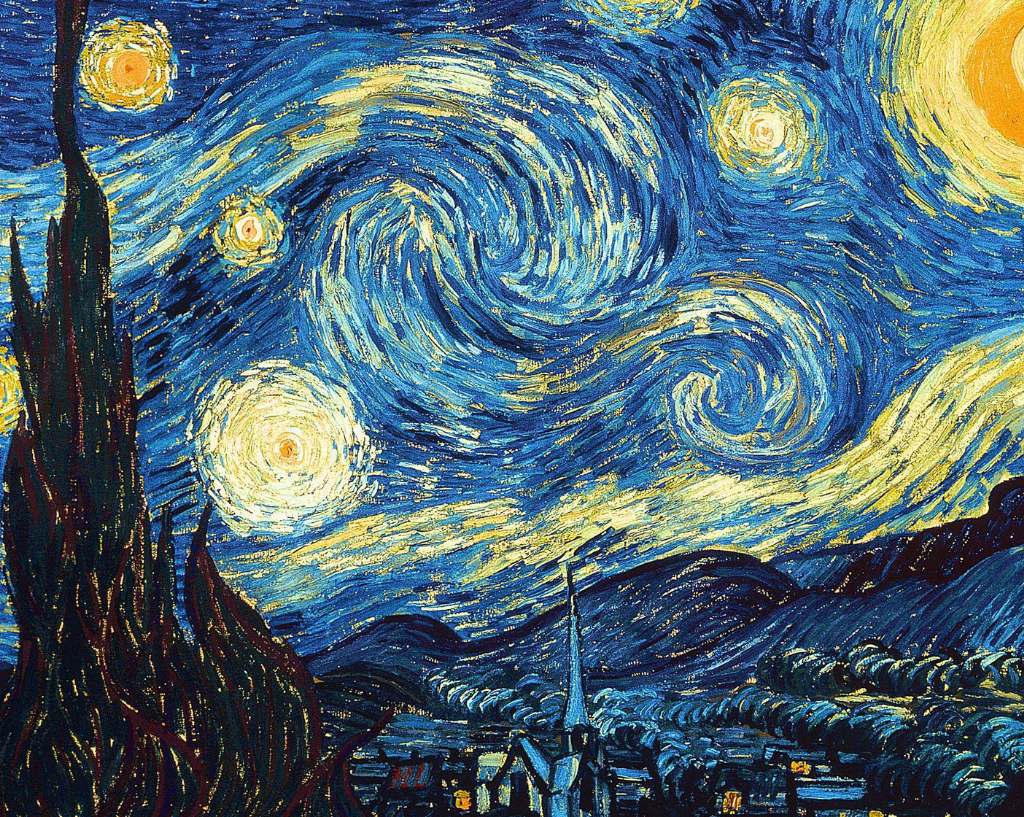
Van Gogh’s museum is the most visited museum in the Netherlands and ranks 23rd in the list of the most visited museums in the world. The museum contains the largest collection of Van Gogh’s paintings and drawings in the world. Apart from seeing Vincent van Gogh’s masterpieces you can also discover the ideas and ambitions behind his art and read about his life since he was a child.
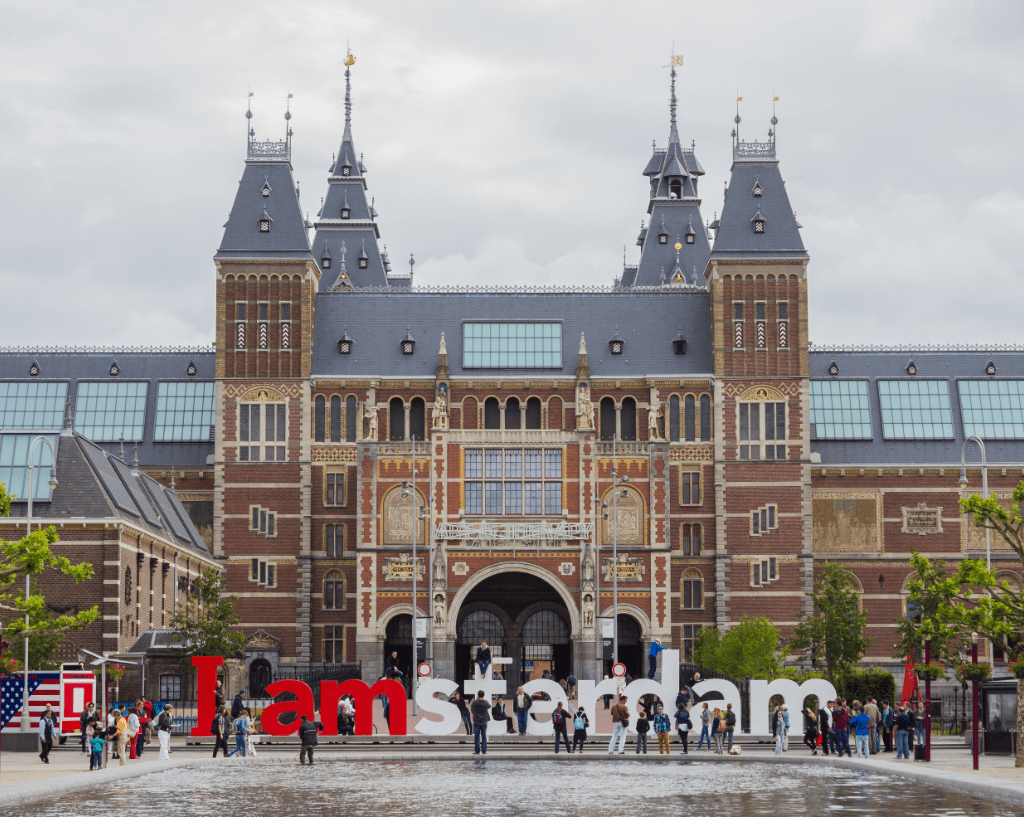
RIJKSMUSEUM
The Rijksmuseum is one of the most famous museums in the world, with approximately one million objects. It covers over 800 years of Dutch art and history. You can visit it in Amsterdam. It is so big that you cannot visit it in one day. What is recommended to see?
The Great Hall (De Voorhall in Dutch)
This is probably one of the most beautiful galleries in the museum, an enormous space with an inlaid mosaic floor, walls full of painted scenes and stained-glass windows celebrating Dutch art and history. The ceiling is an elaborately decorated vaulted ceiling.
Gallery of Honor
In the Galery of Honor you can find a collection of the most famous Dutch paintings from the Golden Age, including the work of Rembrandt and Vermeer. The semicircular walls depict the coats of arms of the eleven Dutch provinces and their capitals.
Still life paintings (stillleven in Dutch)
These 17th century paintings depict daily life in Amsterdam during the Golden Age. The style of the paintings is realism, looking almost like photographs. They contain typical Dutch food such as cheese, pie or more luxurious food such as oysters. These paintings also illustrate the way of eating in the 17th century. On many tables only a knife is visible. At that time, cutlery was very expensive and often custom made. People brought their own cutlery if they were invited to dinner. At that time, the cutlery referred to knives that were used to cut food, which they ate with their hands.
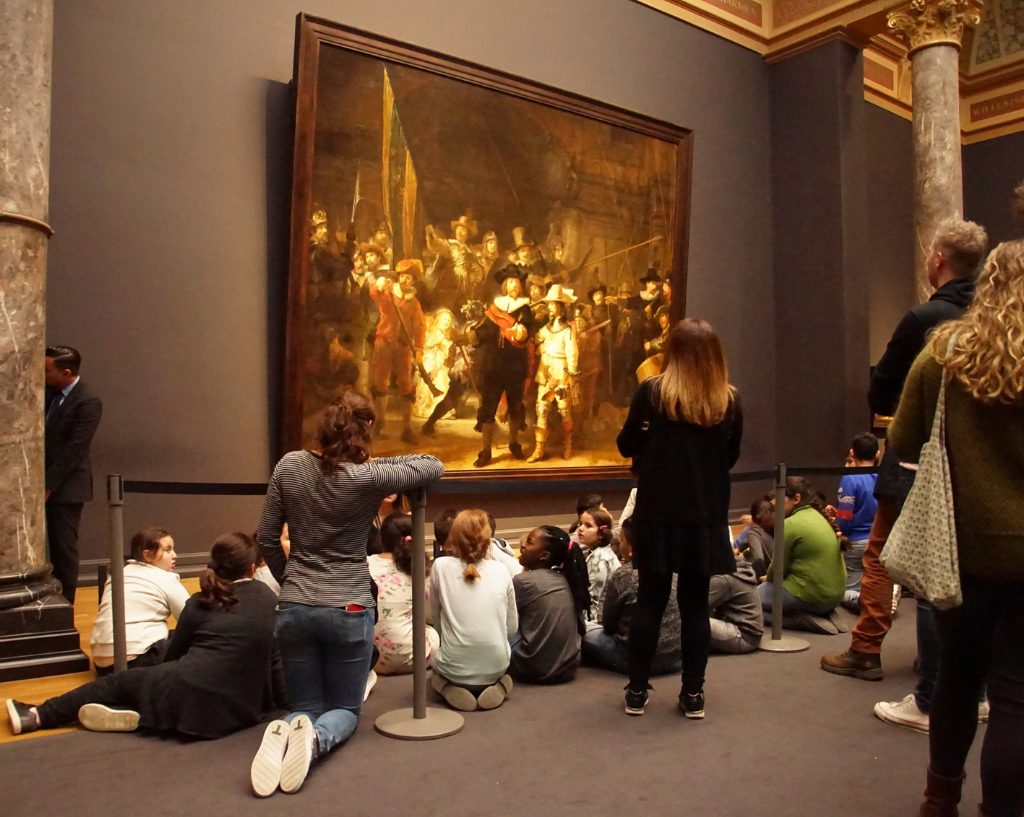
The Night Watch
This painting is the most famous painting in the whole museum. It is Rembrandt’s largest and most famous masterpiece. He worked for 3 years on this painting full of portraits of people from the civil guard of Amsterdam. The way he uses light to emphasize certain details is unprecedented.
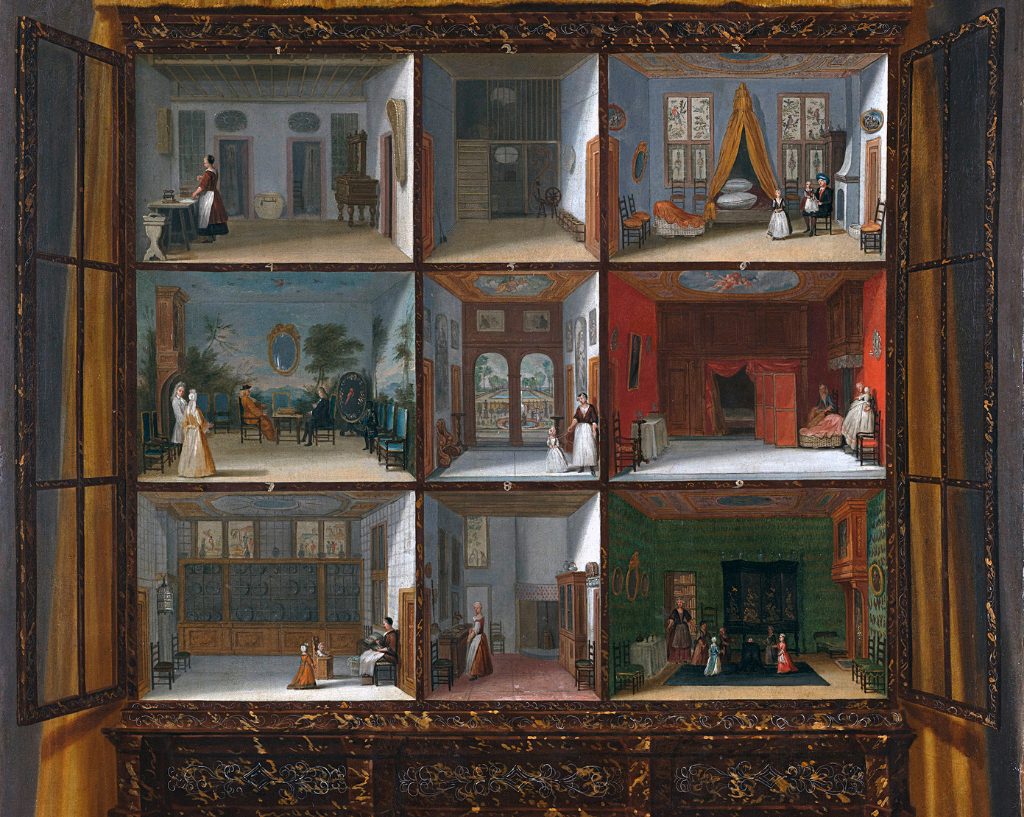
Dollhouses
The museum has 3 dollhouses that illustrate in detail how rich people’s houses were furnished in the 17th century. At that time, dollhouses were not toys but a rather expensive hobby for women.
The most famous is Petronella Oortman’s dollhouse. All the pieces are an exact replica of her house, down to the miniature china. This dollhouse cost as much as a real house on the canals of Amsterdam.
The second house, the miniature house of Petronella Dunois, contains a large amount of miniature silver and the 3rd dollhouse, made a century later, is a model of a real house, seen from the outside.
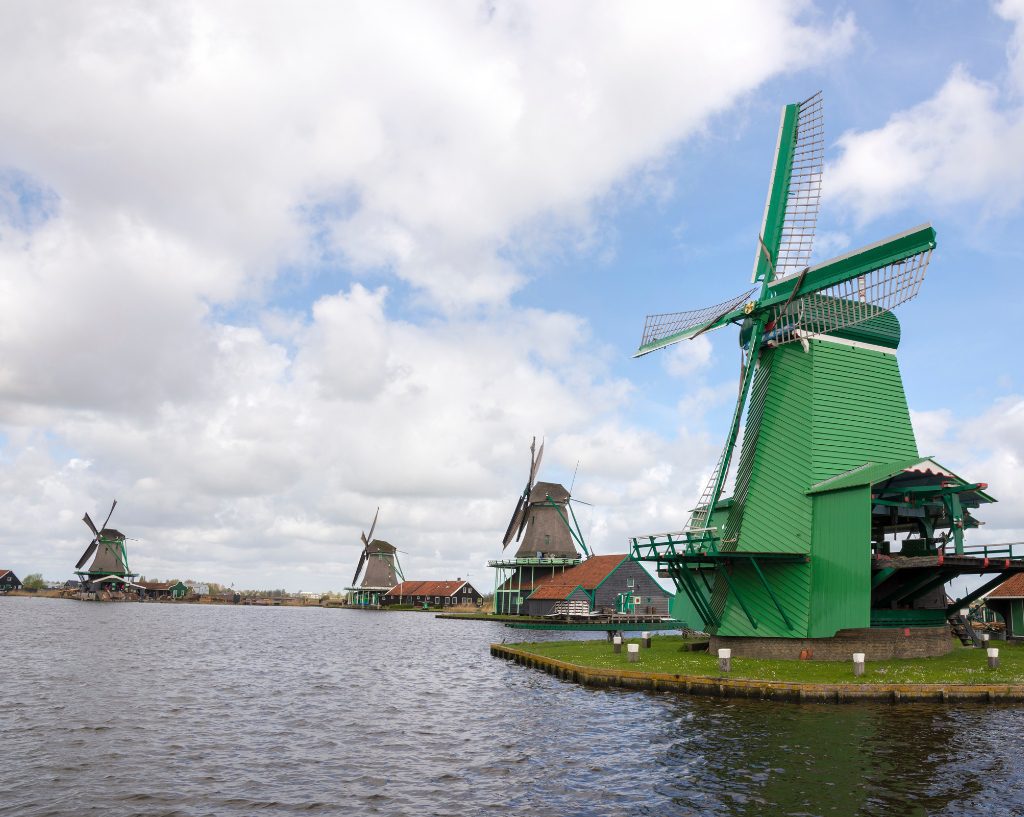
ZAANSE SCHANS
Zaanse Schans is an area where you can see authentic houses, windmills, a tin factory, a cheese and dairy farm and other Dutch crafts from the 17th and 18th centuries. The buildings are in the old style both outside and inside.
In the 17th century, over 600 windmills were built in that area. They were used to produce various products such as paint, spices and wooden planks. Some mills still exist today and can be seen from the outside but also from the inside, where you can see how they work.
You can also visit museums such as a grocery store, a collection of special clocks, a 20th century chocolate factory, old clothes, utensils and paintings, a 19th century merchant’s house and much more.
BODY WORLDS
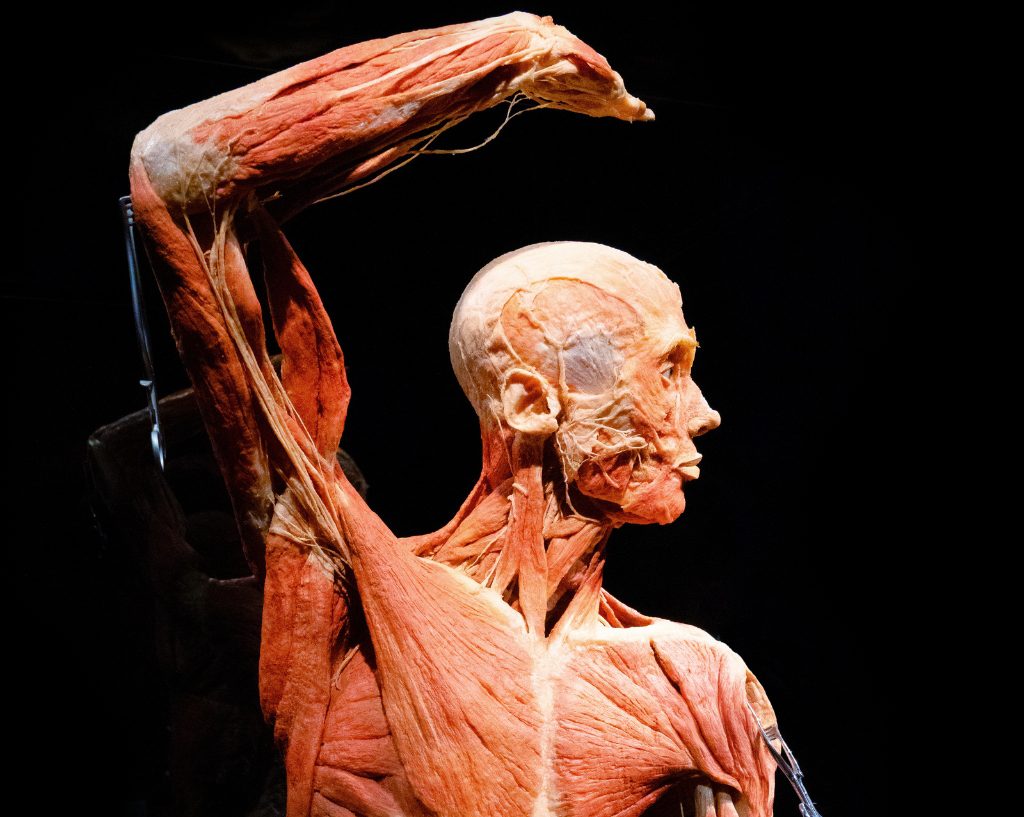
Body Worlds is a fascinating exhibition of 200 real plastinated human bodies that teach you everything you want to know about the anatomy of the human body. Body Worlds also explores through The Happiness Project how health influences our happiness and vice versa.
The plastination process was invented at the University of Heidelberg in 1977 by Dr. Gunther von Hagens. Plastination is the process by which real human bodies are preserved for scientific research and medical education.
MADURODAM
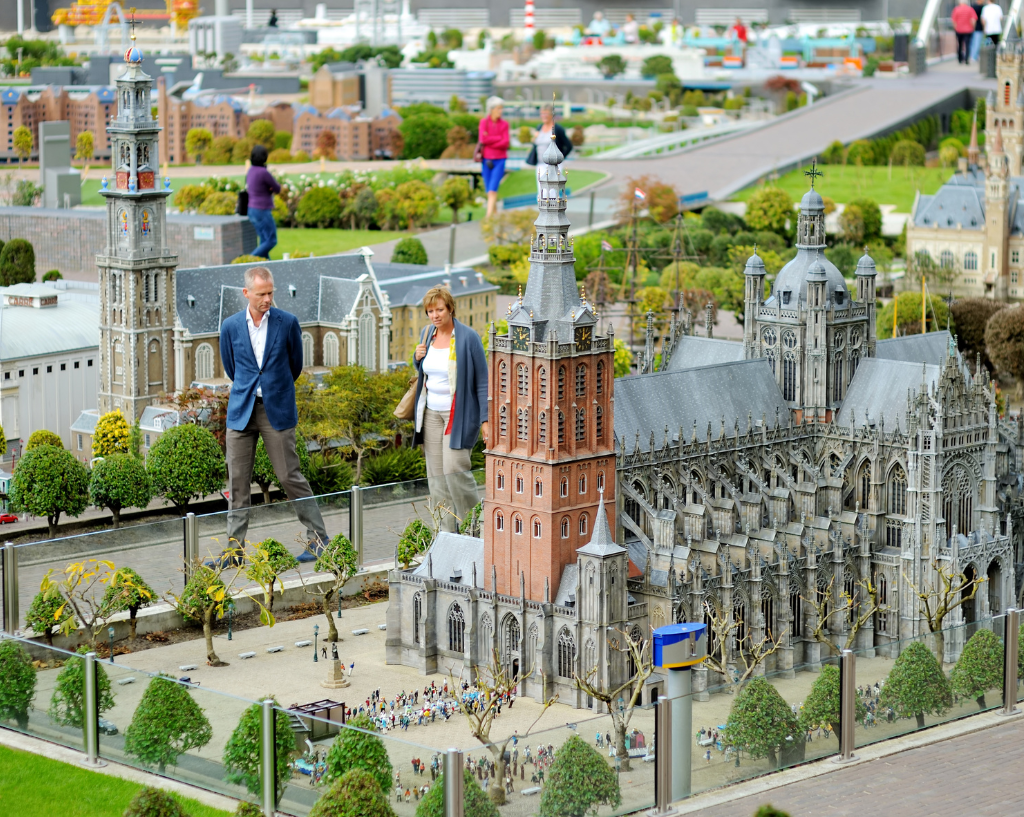
Among the popular tourist attractions in the Netherlands is the Madurodam, a miniature Dutch city in The Hague on a scale of 1 to 25. It contains over 700 models of buildings from different regions of the Netherlands that represent the Dutch society.
You can admire the interior of historic cities, ports, canals, roads, an airport, agricultural areas, residential areas, national reserves and more. Some parts provide auditory information about the things shown and many of the means of transport (cars, planes, boats, trams and trains) are in motion.
MADAME TUSSAUDS AMSTERDAM
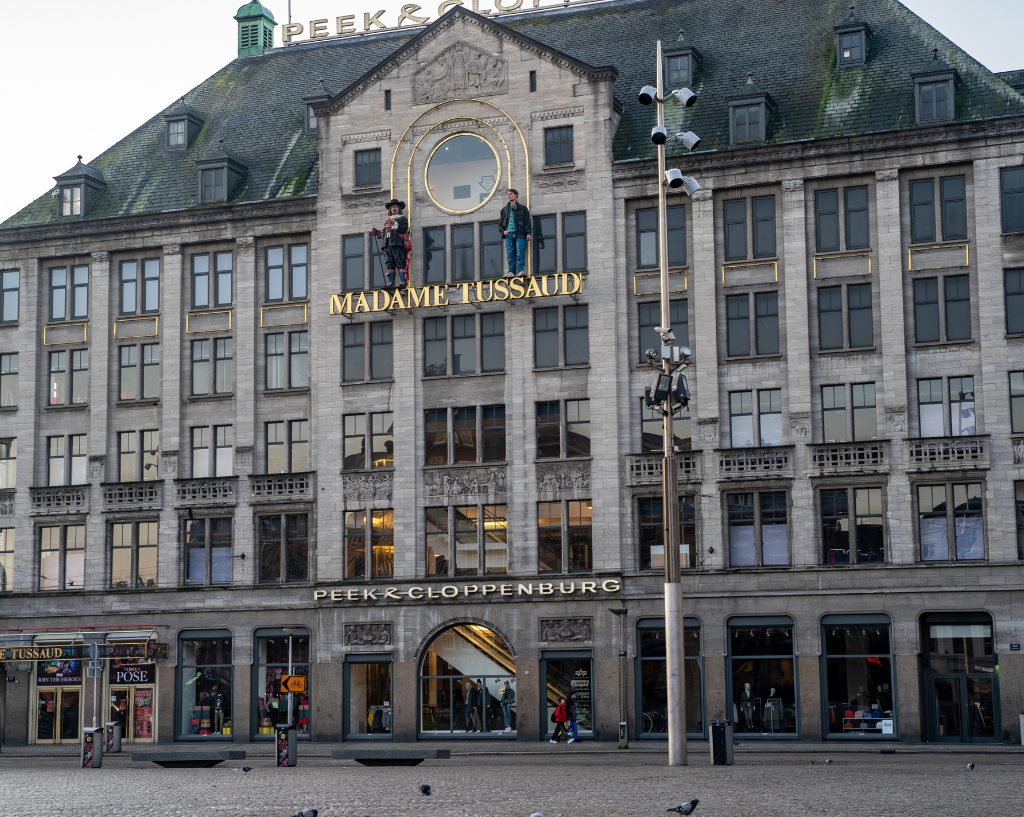
Another tourist attraction that you can visit in Amsterdam is the Madame Tussauds museum. It offers an interactive and fun experience with realistic wax figures of famous people past and present. You can take pictures with the figurines and learn more about their lives.
The figurines are created in London and their creation takes between 6 and 12 months. They are created from fiberglass filled plaster for strength and wax and have real hair that is applied thread by thread.
THE HEINEKEN EXPERIENCE
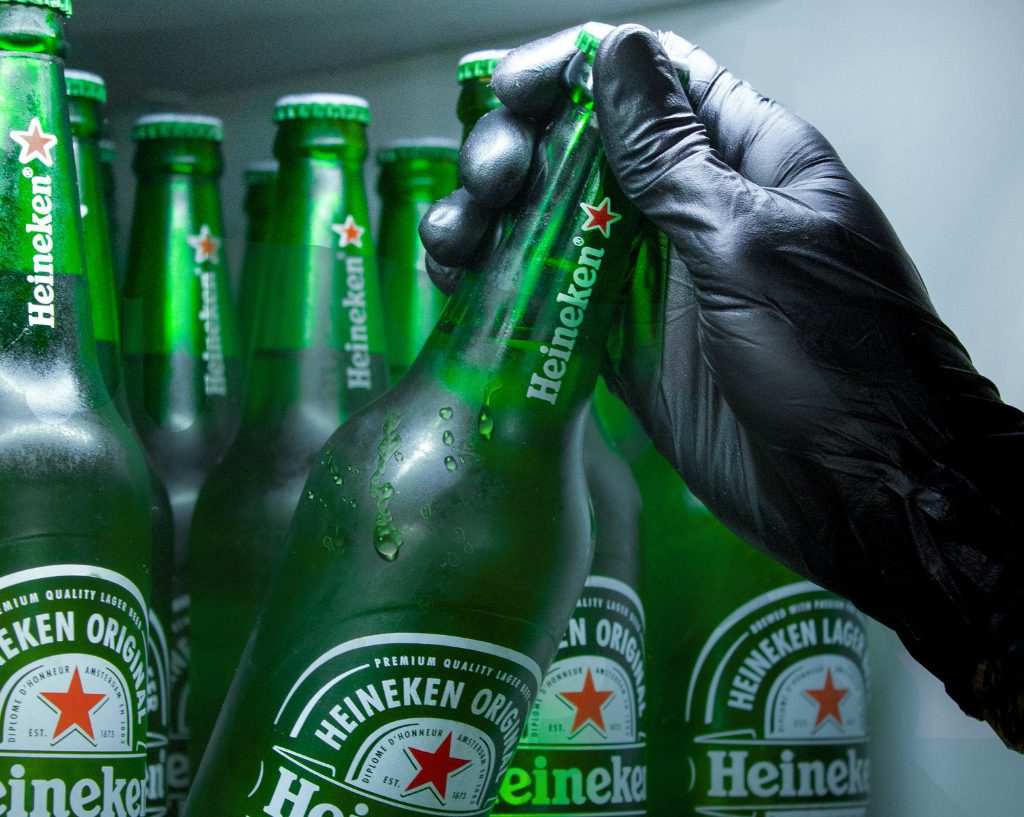
The Heineken Experience is located in Amsterdam, in the first Heineken brewery that was closed in 1988. It has been transformed into a tourist attraction that attracts people from all over the world who want to know more about the Heineken phenomenon. How did a beer made in a small brewery in Amsterdam become one of the most popular and well-known beers in the world?
In a one and half hour tour you can learn more about the brewing process, innovations and sponsorship. The tour ends with a Heineken beer of course. The location can also be rented for various work events or parties.
CONCLUSION
If you like to learn new things about the past and present, the museums of the Netherlands are sure to delight you. Famous paintings, miniature cities, breweries, dollhouses, windmills, authentic 17th and 18th century houses, real plastinated human bodies, await you to grab your attention and develop your knowledge of Dutch history.
If you are interested in more than just visiting the Netherlands, you can apply for one of our jobs and make the Netherlands your new home.
SINTERKLAAS, CHRISTMAS AND NEW YEAR'S EVE IN THE NETHERLANDS
If you temporarily work in the Netherlands, you will probably return home during the holidays to spend the winter holidays with your family and loved ones. The traditional food, music and partying, customs and traditions we grew up with make many of us want to go home for the holidays. However, ff you are staying in the Netherlands for the holidays, it might be interesting to know how the Dutch spend the winter holidays and what the weather is like in the Netherlands.
THE WEATHER IN THE NETHERLANDS IN THE WINTER
In the Netherlands, the number of snow days has drastically been reduced in the last thirty years. In the period 1961/1990, an average of 33 days of snow fell across the country in a Dutch winter. In the period 1991/2020, there were only 20 days of snow and in 2021 there were only 15 days of snow. So if you want to spend your winter holidays with snow, the Netherlands is not the place to be. Many Dutch people seek the snow in other countries, skiing being very popular among them. A million Dutch people go skiing every year, 60-65% of them preferring to go to Austria.
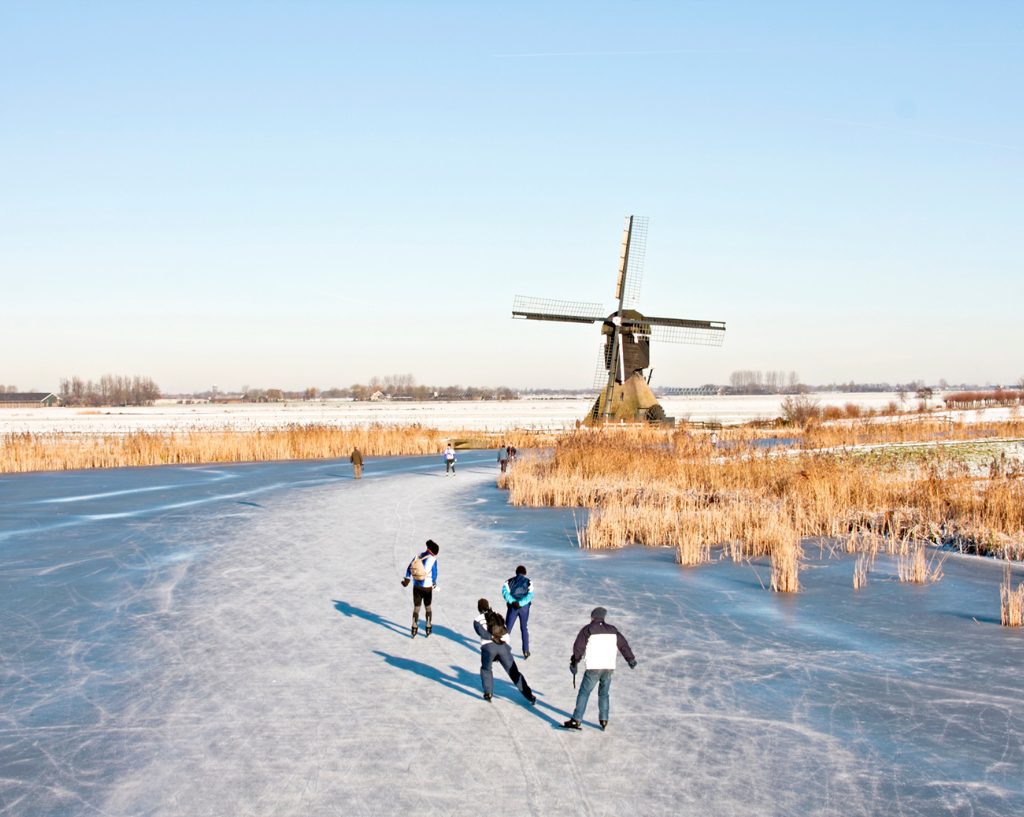
Another favorite activity of the Dutch is ice skating, preferably outside on natural ice. Every year many Dutch people hope that it will freeze well outside so that a tour of almost 200 kilometers on natural ice passing through 11 cities (Elfstedentoch in Dutch) can be organized. For this, the ice must be at least 15 centimeters thick all over. Because of this, this tour has only been organized 15 times so far, the first being in 1909. Even without this tour, many Dutch people of all ages put on their skates and go out ice skating whenever it is possible.
SINTERKLAAS
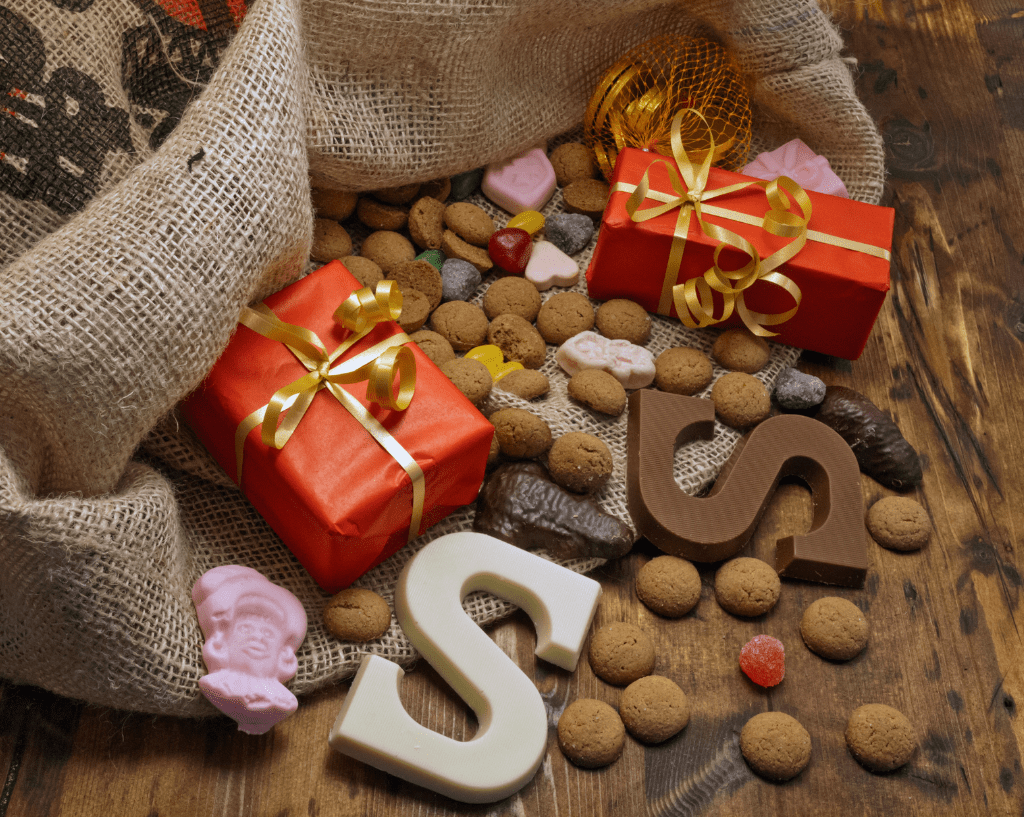
The winter holidays open with Sinterklaas, an annual holiday celebrated on December 5th. Sinterklaas arrives in the Netherlands on the first Saturday after November 11. From that day on, children can put out their shoes so that Sinterklaas can leave presents in them. On the 5th of December on ‘pakjesavond’, Sinterklaas visits children and brings them presents.
Adults can also receive gifts, usually anonymously, after drawing lots of whom they should buy a gift for. The tradition is to write a funny poem that characterizes the person receiving the gift and/or to wrap the gift in a certain way (surprise in Dutch). For example, a soccer fan can receive his gift in a soccer ball made of cardboard by the person giving it. So some creativity is definitely required.
On pakjesavond, specific songs are sung and many sweets are eaten, such as pepernoten (made of rye flour with honey and anise), chocolate figurines, marzipan, marshmallows and many other sweets.
CHRISTMAS IN THE NETHERLANDS
Christmas is celebrated on the 25th and 26th of December as the first and second day of Christmas. It is usually celebrated with family, lots of food and gifts. At the Christmas breakfast the Dutch serve Kerststol (a type of bread with almond paste and raisins), turban (a round cake), cookies or chocolate in the shape of a Christmas wreath and for children red and white canes, a Santa Claus made of chocolate or a gingerbread house.
For dinner the Dutch usually have turkey, pork loin, roulade and potato tufts or gourmet, where you can choose your own vegetables and meat and you fry them yourself by using a small pan at the table.
On and around Christmas, chocolate milk with whipped cream or mulled wine is drunk. Especially if you are outside, at one of the many Christmas markets, and want to warm up a bit. At these markets you can buy Christmas items, there are food stands and the city is decorated with lights.
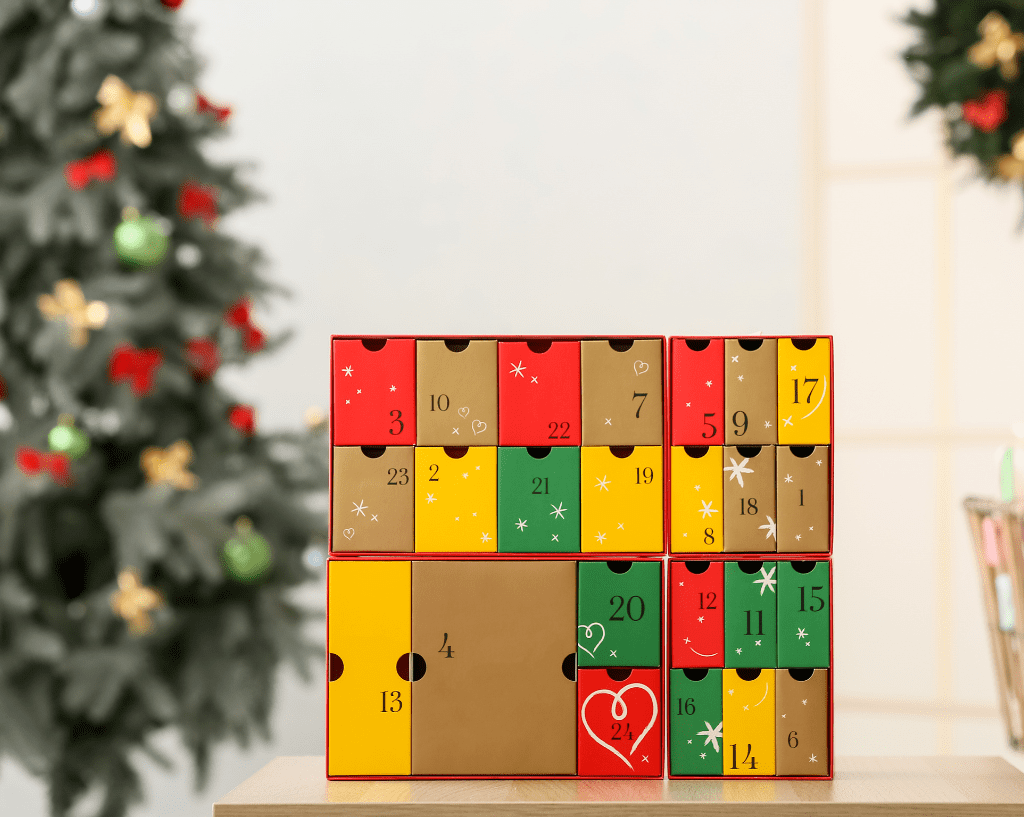
The countdown to Christmas begins even earlier with the advent of December. Each day unveils a new surprise as the doors of the advent calendar are eagerly opened. Behind each compartment lies a little delight—a piece of chocolate, a beauty product, a fragrant tea, or perhaps a special brew of beer, all carefully curated based on the chosen theme of the calendar. This daily ritual becomes a delightful anticipation, adding a touch of magic to the days leading up to the grand celebration.
NEW YEAR'S EVE IN THE NETHERLANDS
The Dutch call the New Year, Old and New (oud en nieuw in Dutch). The most famous New Year’s Eve snack is…the oliebol (a doughnut). As early as November you can find at least one stall in every town selling olliebollen, apple buns and apple rolls.
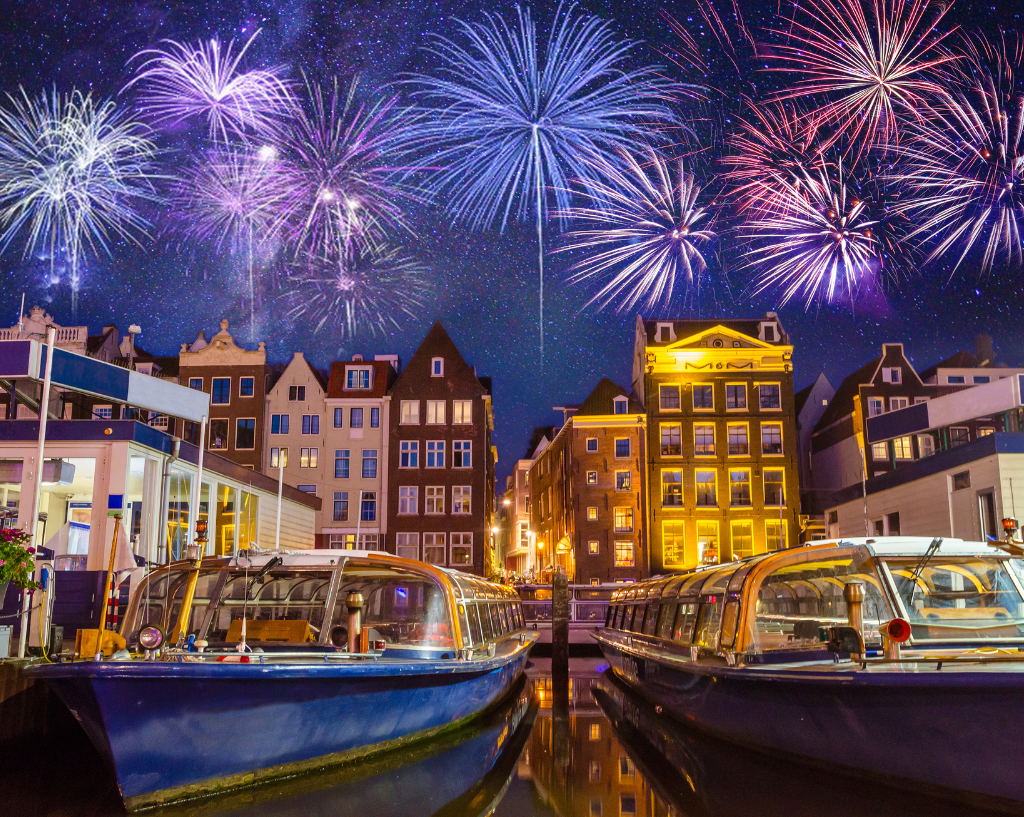
New Year’s Eve is usually spent with family and/or friends, clinking champagne at 00:00 and setting off firecrackers and fireworks.
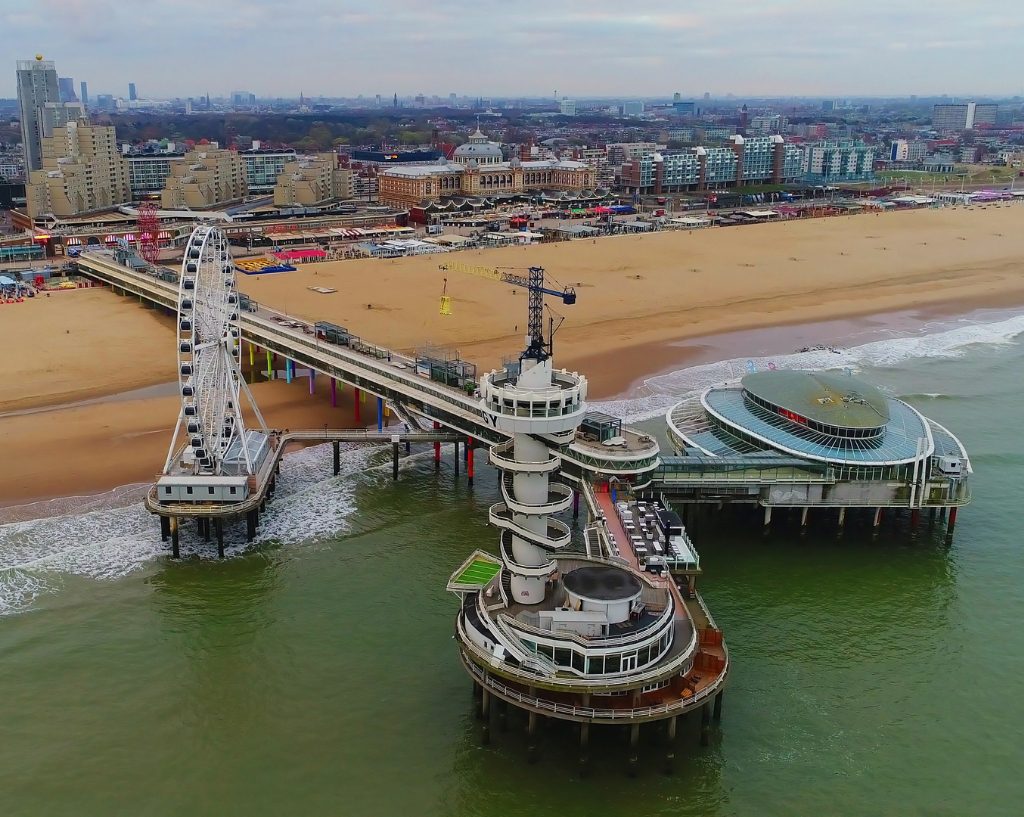
Every year, many Dutch people watch the New Year’s Eve conference on December 31. In this theater performance, the year is amused by a well-known cabaret artist. On January 1st, many people take a dip in the sea or a lake to celebrate the New Year. This is organized in hundreds of places, the most popular being the sea at Scheveningen.
CONCLUSION
The Dutch have different customs and traditions to spend the holidays and the winter. Favorites are good food and specific winter sweets, ice skating, Christmas markets and doughnuts. Sinterklaas, Christmas and New Year’s Eve are spent with family and friends and the New Year is greeted with fireworks, champagne and a cold dip.
Want to live and the Netherlands and celebrate the winter holidays the Dutch way?
IMPORTING A CAR INTO THE NETHERLANDS - STEP BY STEP PLAN
Did you decide to move to the Netherlands and you want to bring your vehicle with you? In order to apply for a Dutch registration number you need to be at least 18 years old, live in the Netherlands and be registered in the Dutch register of persons (BRP in Dutch) and fill the application in person by bringing your car to the RDW. Below you will find the steps to follow in order to successfully import your car into the Netherlands.
STEP 1 - SUBMIT AN IMPORT DECLARATION
If you are moving from a European Union (EU) country, you do not need to submit an import declaration because free movement of goods applies. This means that you don’t need to pay any import duties nor declare your car to Customs.
If you are moving from a non-EU country you need to submit an import declaration to Customs but you do not need to pay tax because your car is considered part of your household. You can find all the information you need to know here.
STEP 2 - MAKE A VEHICLE INSPECTION APPOINTMENT AT AN RDW INSPECTION FACILITY
Making an appointment is only available in Dutch and you need your Digid or eHerkenning for it. You will need to bring your ID and the original foreign registration certificate with you and of course, your car.
Bringing the car needs some arrangements, as you are not allowed to drive a car with foreign registration plates if you are registered in BRP and the car is registered on your name.
You have 3 options to bring your car:
If you have a BSN you can apply for an exemption for vehicle tax (bpm en mrb in Dutch) on the tax authority website (Belastingdienst in Dutch). This must be done upfront and is valid for 2 weeks starting from the moment the car has entered the Netherlands. The exemption means that you do not have to pay tax for these 2 weeks but you should still have car insurance from abroad.
You can apply for a one-day registration at the Dutch vehicle registration register (RDW in Dutch) after you made an inspection appointment. This will allow you to drive to the inspection facility and back. This registration is free and you can request it with your Digid. Keep in mind that you will need a Dutch third party insurance for that day and you need to make your own plates from cardboard for instance.
You can hire a trailer to bring your car to the appointment. This option doesn’t require having insurance.
STEP 3 - GO TO THE INSPECTION APPOINTMENT
You will need to attend the appointment in person and bring your ID, the original foreign vehicle registration certificate together with a photocopy of it and the certificate of conformity, if you have one. If you are moving from a non-EU country you also need to bring the import document given by Customs. This document must not be older than 12 months and state that the car is part of your household.
You will need to pay for the inspection and the registration based on the type of car, the manufacturing year and where it is from. For an approximation of the costs you can contact the customer service department here.
If you still have a valid foreign approval certificate (APK in Dutch) the expiration date can be taken over by the RDW. The APK needs to be from an EU or EFTS country where the vehicle was registered and you need to show the APK report, an indication on the submitted registration certificate or a sticker on the foreign number plate.
STEP 4 - SUBMIT A TAX RETURN (BMP RETURN)
STEP 5 - PAY ROAD TAX AND TAKE OUT A DUTCH INSURANCE
Submitting the bmp return can only be done on paper and you will need your BSN for it. After approval, you will receive a registration certificate within 5 working days and a letter with your registration code the day after. If in the future you would like to sell your car, you will need this code, so make sure you store it safely.
If you had an APK whose expiration date was taken over by the RDW, you do not need to do anything else for it. If the RDW carried out an APK inspection, you will receive the report or if you choose to have the inspection done by another garage you must do this 1 day after you receive the new registration certificate.
Each owner of a car registered in the Netherlands needs to pay motor vehicle tax (mrb in Dutch). This can be paid monthly or quarterly and the amount depends on a few things like the vehicle’s weight. You will receive a letter from the Tax authority regarding the amount and when you will need to pay.
Having a third party liability insurance (WA verzekering in Dutch) is mandatory for all cars registered in the Netherlands. There are a lot of websites where you can compare different insurances by different insurance companies. If your car was insured abroad, you can cancel that insurance.
STEP 4 - SUBMIT A TAX RETURN (BMP RETURN)
Submitting the bmp return can only be done on paper and you will need your BSN for it. After approval, you will receive a registration certificate within 5 working days and a letter with your registration code the day after. If in the future you would like to sell your car, you will need this code, so make sure you store it safely.
If you had an APK whose expiration date was taken over by the RDW, you do not need to do anything else for it. If the RDW carried out an APK inspection, you will receive the report or if you choose to have the inspection done by another garage you must do this 1 day after you receive the new registration certificate.
STEP 5 - PAY ROAD TAX AND TAKE OUT A DUTCH INSURANCE
Each owner of a car registered in the Netherlands needs to pay motor vehicle tax (mrb in Dutch). This can be paid monthly or quarterly and the amount depends on a few things like the vehicle’s weight. You will receive a letter from the Tax authority regarding the amount and when you will need to pay.
Having a third party liability insurance (WA verzekering in Dutch) is mandatory for all cars registered in the Netherlands. There are a lot of websites where you can compare different insurances by different insurance companies. If your car was insured abroad, you can cancel that insurance.
STEP 6 - HAVE DUTCH LICENCE PLATES MADE
You can do this by a RDW recognized manufacturer. You can view a map here. Choose ‘Kentekenplaten laten maken’ for a list of recognized manufacturers near you. The costs are normally between 25 and 45 euro. After you receive your Dutch licence plates you can drive on Dutch roads.
CONCLUSION
Importing a car into the Netherlands requires you to meet some conditions and to follow some steps. If you want to bring your car with you from an EU country, you can do so without having to pay import taxes. If your car comes from a non-EU country you also do not need to pay import taxes but you do need to submit an import declaration. The steps after that are basically the same and require you to attend an appointment and have the right documents with you. After your car has been approved you need to pay tax, get an insurance and your new licence plates. After that you are good to go.
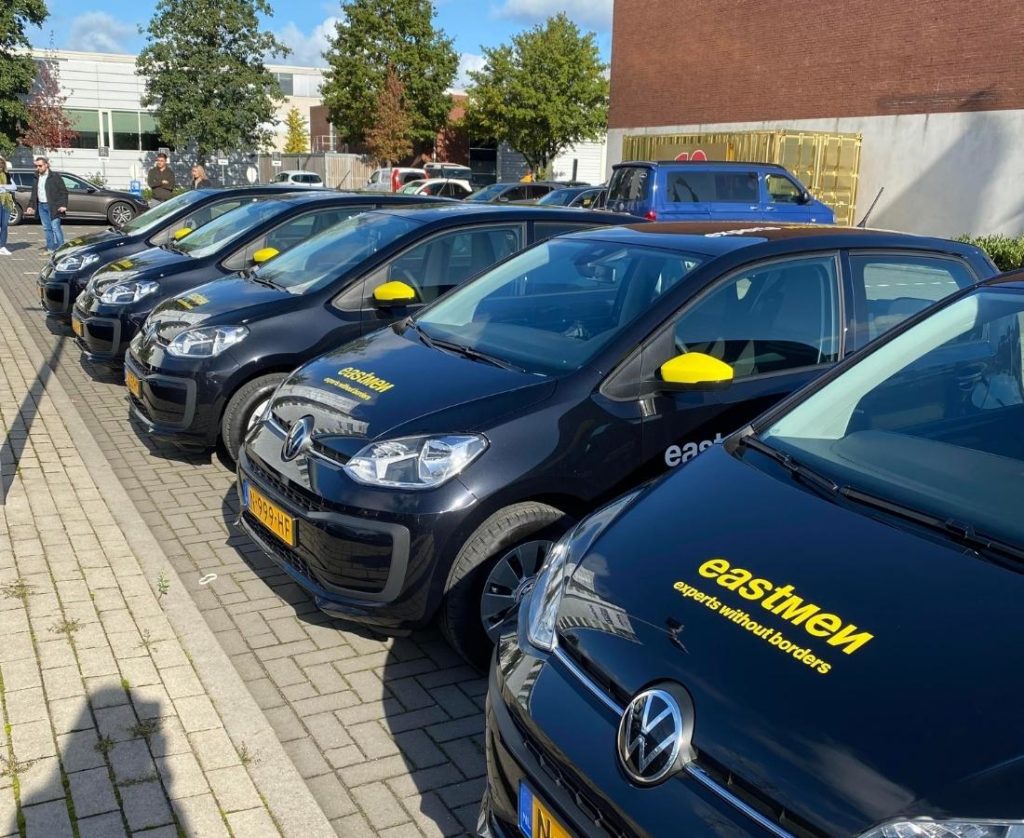
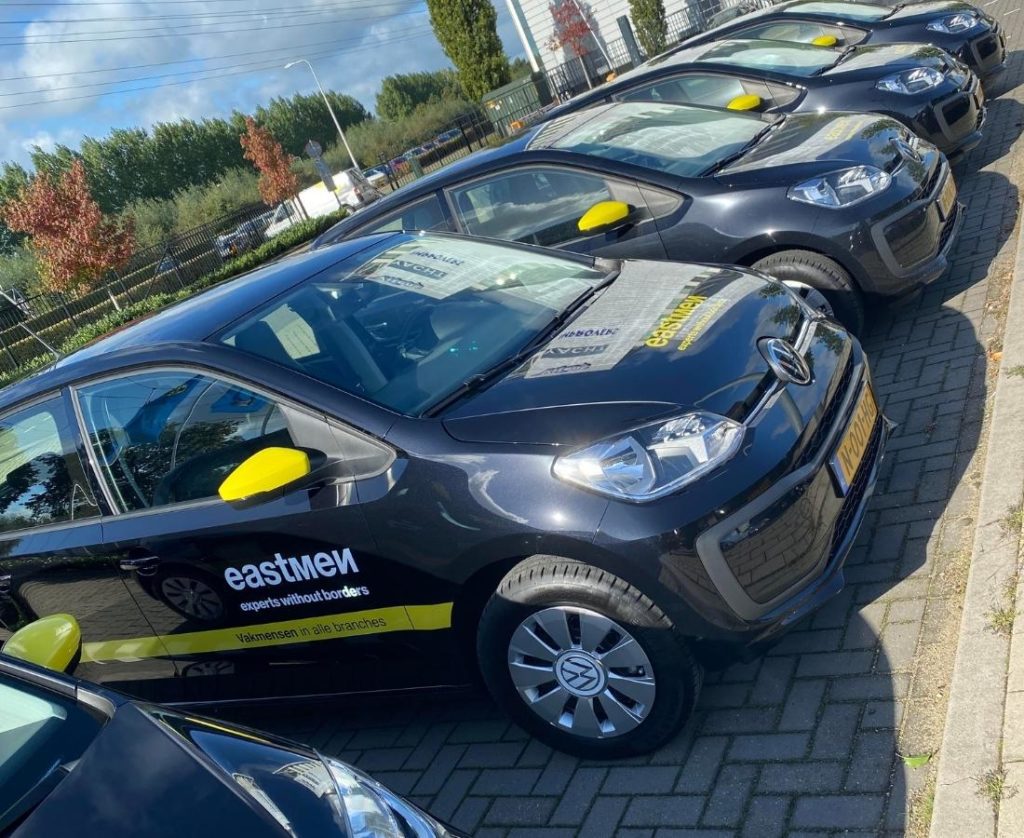
If you don’t want to bring your car with you yet you can apply for one of our jobs and you can rent a car from us. We even give you free fuel!
DRIVING IN THE NETHERLANDS WITH FOREIGN REGISTRATION PLATES
Have you decided to move (temporarily) to the Netherlands and want to bring your car with you? Can you drive with foreign registration plates or do you have to exchange them?
HOW LONG CAN I DRIVE IN THE NETHERLANDS WITH A CAR WITH FOREIGN LICENSE PLATES?
This depends on several factors, like the country in which the car is registered, whether you are registered in the Dutch register of persons (BRP in Dutch) or whether you are coming to the Netherlands for studies or if you will be posted at a Dutch company.
I AM REGISTERED IN THE DUTCH REGISTER OF PERSONS
If you are registered in the BRP, you are not allowed to drive a car with a foreign registration number (registration in the BRP is mandatory if you live in the Netherlands for more than 4 months). The reason for this is that you have to pay taxes.
In order to be able to drive in the Netherlands and use Dutch roads, you have to pay tax on the vehicles you own. So if you want to use your car, you have to register it in the Dutch vehicle registration register (RDW) and pay tax. This registration is called import. After importing the car, you will receive a Dutch registration number.
You use your car for a maximum of 2 weeks (and you have an exemption for short-term use)
You use a company car of from your foreign employer (and you have an employee exemption)
You use a company car from your foreign company (and you have an employer exemption)
In these 3 situations you don’t have to pay car and motorcycle tax (bpm in Dutch) and motor vehicle tax (mrb in Dutch). Mrb is also called road tax. The necessary exemptions are requested from the tax authorities.
I AM NOT REGISTERED IN THE DUTCH REGISTER OF PERSONS
In this case, you are allowed to drive with foreign car registration numbers for a maximum of 6 months a year. These 6 months do not have to be a continuous period and there is no need to do or ask for anything as this is an international right.
If you want to use your car in the Netherlands for more than 6 months, you have to pay tax for using Dutch roads. For this, you need to submit a tax return for cars and motorcycles (bpm). If you live outside the European Union (EU), you must also submit a declaration of import to customs.
If you use your car to transport things or people for a fee, you can do this for a maximum of 3 months based on international law (these 3 months do not need be a continuous period).
I WORK TEMPORARILY IN THE NETHERLANDS FOR A FOREIGN COMPANY
If you are temporarily posted to the Netherlands by a foreign employer, you can use your car with a foreign registration number for commuting to work based on international law, without needing any exemption. You can use the car for the duration of your secondment without paying tax.
CONCLUSION
If you want to live (temporarily) in the Netherlands, you can drive a car with a foreign registration number if you are not registered in the BRP. You can do this for a maximum of 6 months a year, or a maximum of 3 months if you use your car to transport things or people for a fee. You do not need to do or ask for anything to be able to use the car during this period, as this is an international right.
If you are registered in the BRP, you are not allowed to drive a car with a foreign registration number. However, you can use a company car from your foreign employer, a company car of your own foreign company, or if you are temporarily placed in the Netherlands by a foreign employer, you can use your car with a foreign registration number to commute to work.
Thinking of moving to the Netherlands for a job and don’t know what to expect? How different is life in the Netherlands compared to other countries? What do you need to arrange after you arrive in the Netherlands?
A FEW ASPECTS TO TAKE INTO ACCOUNT - HOUSING
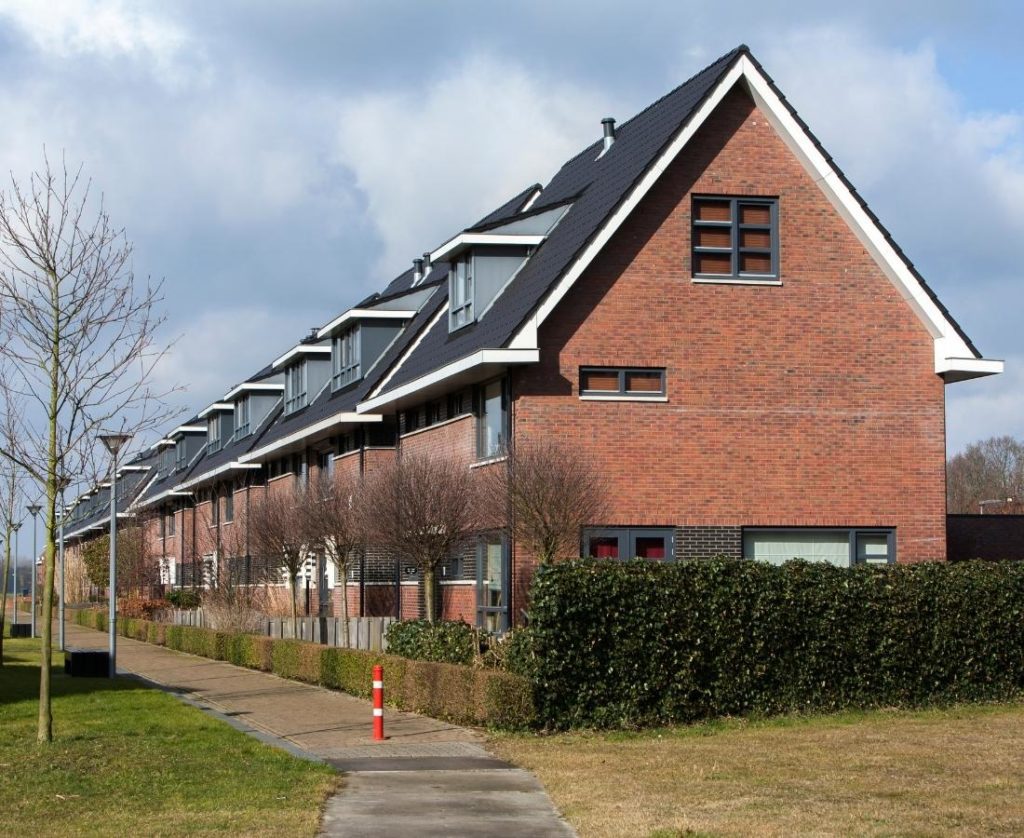
If you have a job through Eastmen the accommodation will be provided by us. Our coordinators do their best to find you housing as close as possible to your work place. You usually live with work colleagues, but it is possible to have housemates who work at another company nearby. If you prefer to live alone, you can rent a home on your own and you will receive an allowance from Eastmen.
The most popular sites to look for housing are Funda and Pararius. After you have arrived in the Netherlands, you must register at the city hall and obtain a BSN.
MEDICAL INSURANCE
All people living and/or working in the Netherlands must have basic health insurance. This is mandatory. If you work through Eastmen we can take out medical insurance on your behalf at Zorg en Zekerheid.
The health insurance covers the mandatory basics in the Netherlands plus 8 physiotherapy sessions and emergency dental costs up to a maximum of €200, once a year. More details can be found in the health insurance contract that will be sent to you if you decide to insure through Eastmen. If you don’t want an insurance through Eastmen, you can take out a health insurance yourself at any health insurance company.
FOREIGN DRIVING LICENSE
If you have a foreign driving license issued by a country in the European Union, EEA or Switzerland, it is valid if you come to the Netherlands for work or on holiday. If you like living in the Netherlands and have decided to live here for a long period, you can exchange it for a Dutch driving license.
If you don’t have a driver’s license you can use public transport or a bicycle, the most preferred mode of transport in the Netherlands.
PUBLIC HOLIDAYS
In 2022 these are/were the public holidays:
New Year’s Day: Saturday 1 January 2022
Good Friday: Friday 15 April 2022
Easter: Sunday 17 April 2022
Easter Monday: Monday 18 April 2022
King’s Day: Wednesday 27 April 2022
Liberation Day : Thursday, May 5, 2022
Ascension Day: Thursday, May 26, 2022
Pentecost: Monday, June 6, 2022
Christmas: Sunday, December 25, 2022
Second Christmas Day: Monday, December 26, 2022
Not all public holidays are obligatory, which means that you do not always have a day off. This depends on your collective labour agreement. If you are not sure if you are free on a particular holiday, you can ask at work.
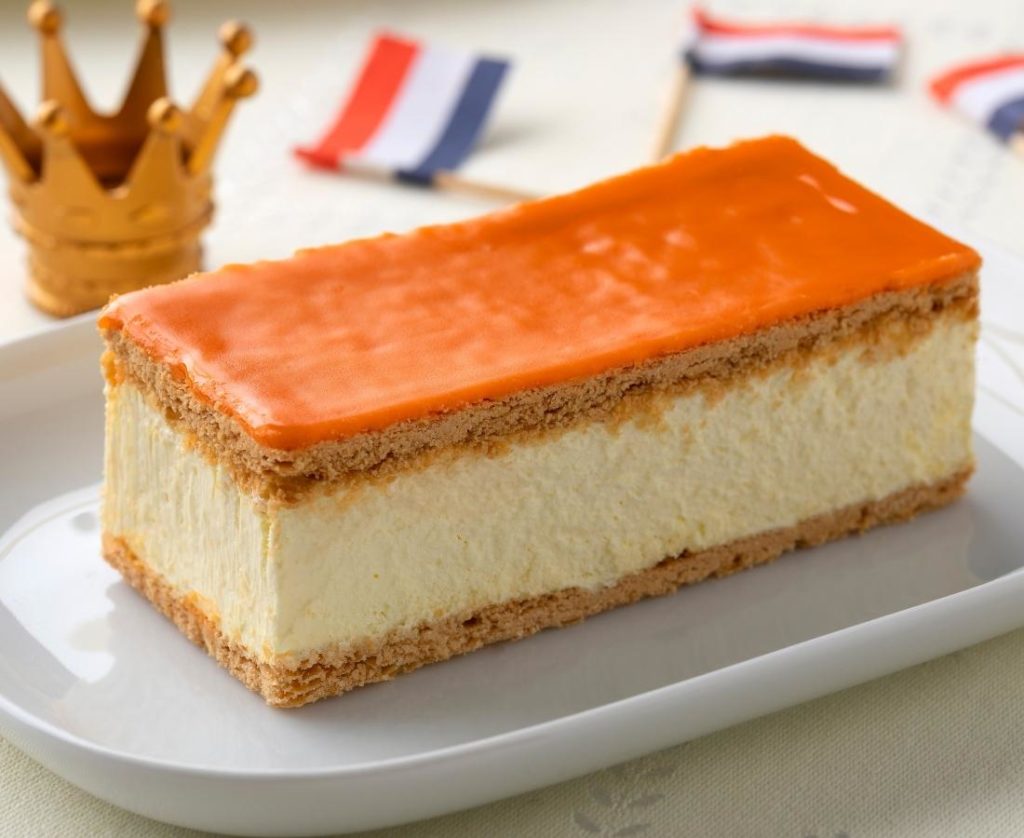
The biggest holiday in the Netherlands is King’s Day. On April 27, the whole of the Netherlands turns orange and in the city centres a lot of people are celebrating with music, food and drinks.
SOCIAL LIFE IN THE NETHERLANDS
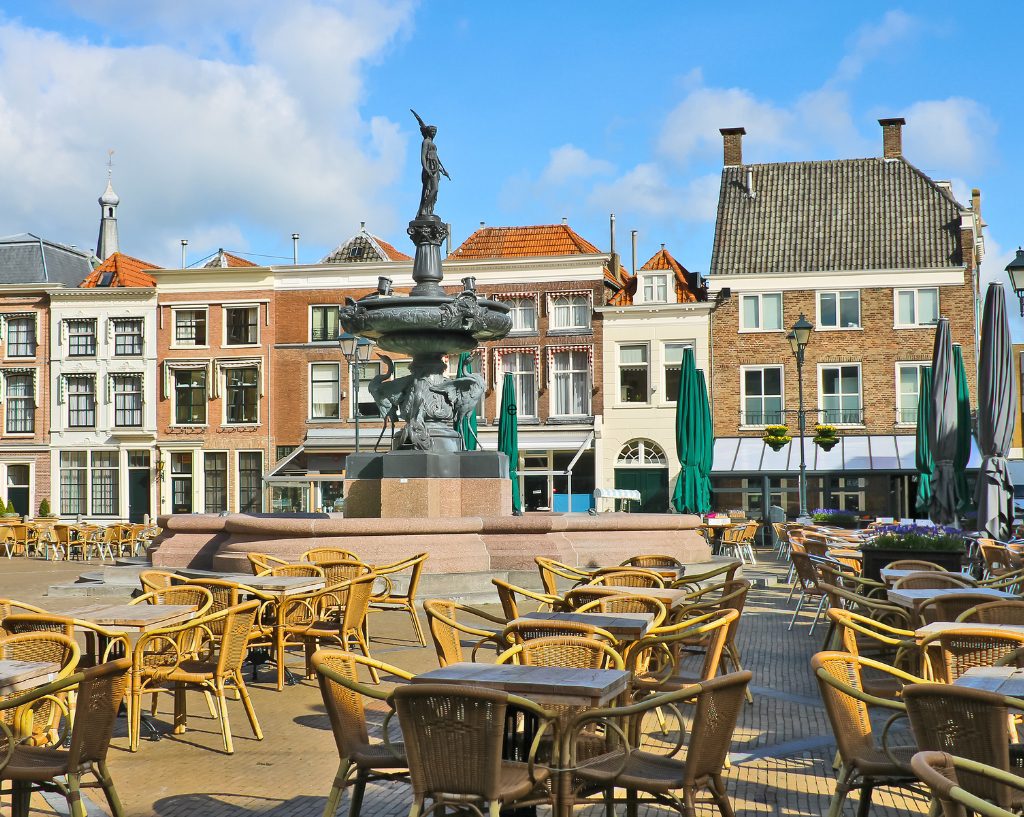
The Dutch people are very sociable and like to spend time on terraces, in restaurants or bars. When the weather is nice, parks in big cities are full of people relaxing in the sun or having a barbecue with family and/or friends. The waterways are full of boats and the beaches are crowded. The Dutch take full advantage of the beautiful weather because it is not often very hot like in other countries.
LIFE IN THE NETHERLANDS - CONCLUSION
If you have decided to work in the Netherlands you will need to find a place to live, open a mandatory health insurance and obtain a BSN. If you work through Eastmen our coordinators will help you with these things. If you have a driving license issued by a country in the European Union, EEA or Switzerland you can use it in the Netherlands of you can even exchange it for a Dutch driving license. The Dutch people are sociable and enjoy going out and spending time with friends and family. Do you want to experience the Dutch culture for yourself? Check out our available vacancies!
Dutch is a Germanic language, quite difficult if you want to learn it (correctly). Fortunately, most Dutch people speak English so you can mostly get by in the Netherlands without being able to speak Dutch. Even so, it can be useful to know and understand a few words/phrases. Your Dutch co-workers will certainly appreciate your effort!
BASIC WORDS AND SHORT SENTENCES
Let’s start with some simple words, which you will surely have heard if you already work in the Netherlands. You can review them to see if you pronounce them correctly. If you’ve never heard a word in Dutch, they’ll definitely come in handy.
Hallo = hello
Hoi = hi
Goedemorgen = good morning
Goedemidag = good afternoon
Goedenavond = good evening
Dag! = goodbye
Doei! = bye
Tot snel! = see you soon
Tot ziens! = see you soon
Fijne dag! = a good day
Fijne avond! = a good evening
Fijn weekend! = have a nice weekend
If someone asks you what you’re doing:
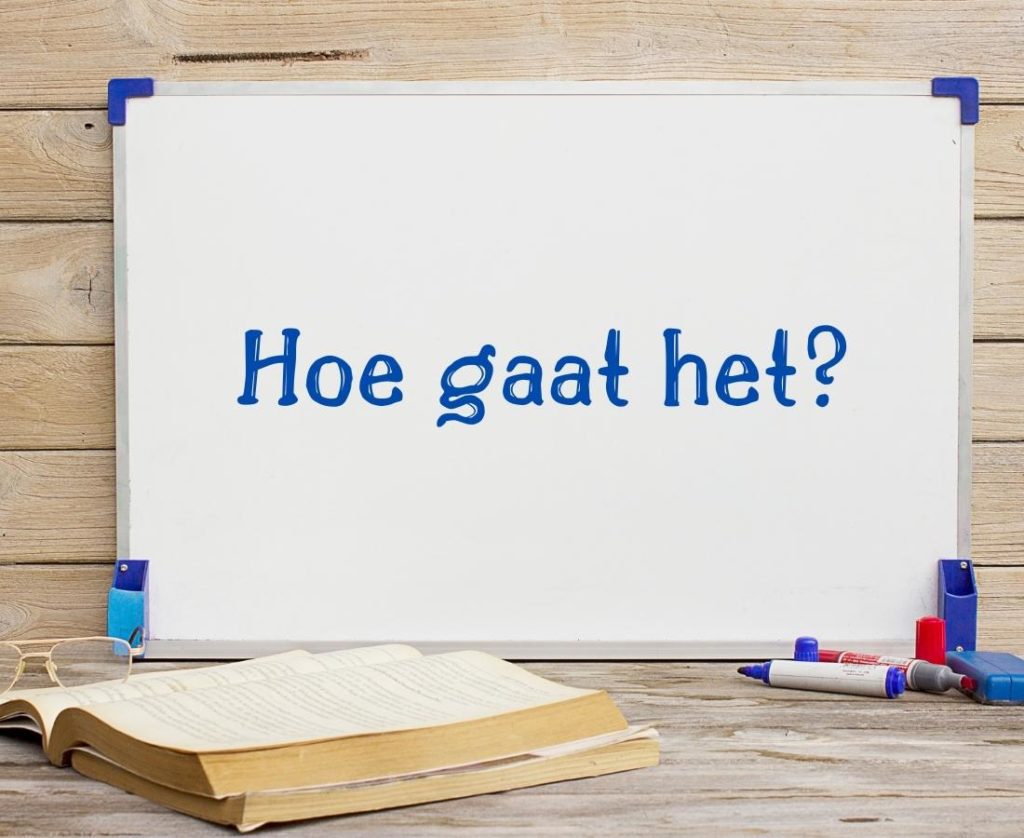
Hoe gaat het? = how are you doing?
Hoe is het = how are you?
You can answer:
Goed = good
Slecht = bad
En met jou? = and how are you?
Other questions that are asked frequently:
Hoe heet jij? = what is your name?
Mijn naam is = my name is
Waar kom jij vandaan? = where are you from?
Ik kom uit … = I’m from …
The following words might sound familiar to you, maybe you already use them. If you don’t use them yet, give them a try the next time you meet a Dutch colleague.
Ja = yes
Nee = no
Misschien = maybe
Alstublieft = please
Bedankt = thank you
Dank je wel = thank you
Sorry = sorry
Geen probleem = no problem
Geeft niets = it’s okay
Ik weet het = I know
Ik weet het niet = I don’t know
The following words might be useful if you are in a building.
Ingang = entrance
Uitgang = exit
Nooduitgang = emergency exit
Niet roken = no smoking
Privé = private
Geen toegang = no passing
Buiten gebruik = not working
Vrij = free
Bezet = busy
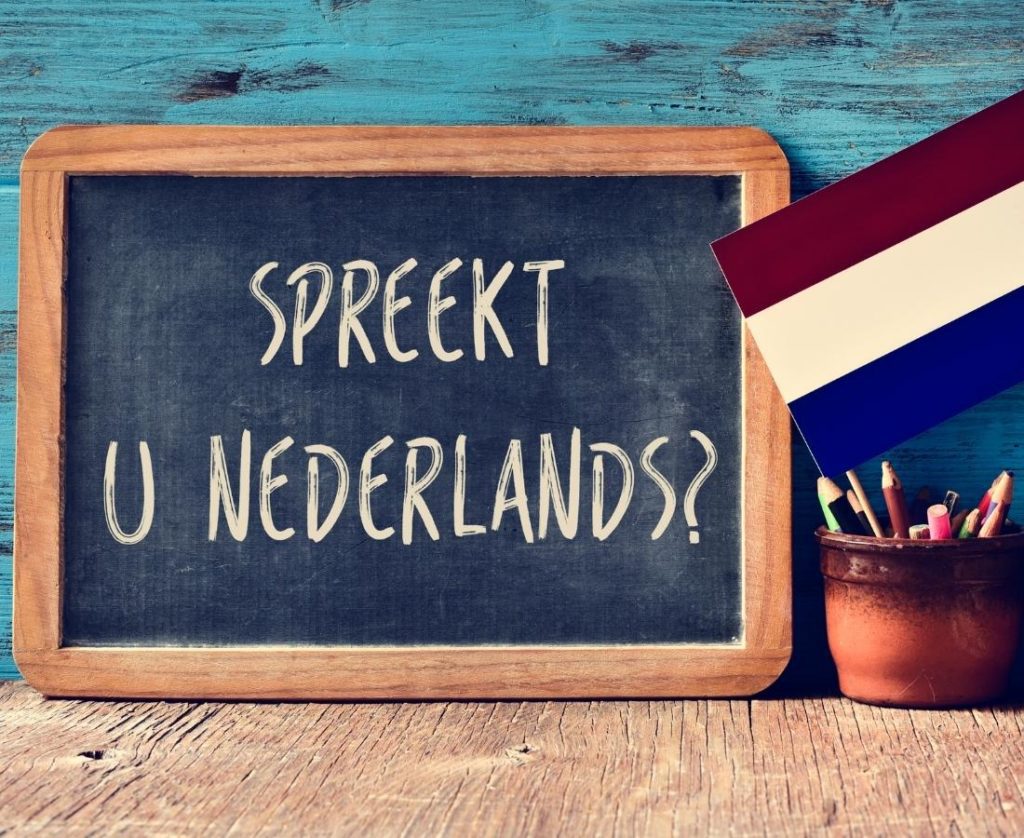
DO YOU SPEAK DUTCH?
Have you ever had a stranger ask you something in Dutch? Did you know what to answer? Next time you can answer in Dutch that you don’t speak the language. That way people who don’t speak English can understand you.
Ik spreek geen Nederlands = I don’t speak Dutch
Or if they ask something that you do not understand:
Ik begrijp het niet = I don’t understand
DUTCH NUMBERS
The numbers in Dutch are a bit more difficult because from 20 up, they reverse the numbers (instead of twenty-one, the Dutch say one and twenty).
You need a bit of practice to be able to quickly understand which number they refer to, for example when it comes to store prices. Something that costs 49.34 euros will be said as nine and forty and four and thirty). Difficult, right? For now, I will only write the numbers up to ten.
Een = one
Twee = two
Drie = three
Vier = four
Vijf = five
Zes = six
Zeven= seven
Acht = eight
Negen = nine
Tien = ten
CONCLUSION
Dutch is a difficult language, but with some effort it can be learned, at least a little. Above, I have used only a few examples of frequently used words. If you want to learn more, you can sign up for a beginner’s course or download an app that helps you learn the language a little.
If you want to work in the Netherlands, you can of course practice some Dutch with your colleagues.
EXCHANGING YOUR DRIVING LICENSE IN THE NETHERLANDS
Do you have a foreign driving license issued in one of the countries of the European Union (EU) or the European Free Trade Association (EFTA) and do you live in the Netherlands? You can use it for another 5 or 15 years after it was issued, if it is still valid, depending on the category of the license. If you want you can change it to a Dutch driving license.
DRIVING LICENSE CATEGORIES
The 15-year term applies to the categories below, provided the permit is still valid:
AM
A1
A2
A
B
BE
The 5-year term applies to the categories below, provided the permit is still valid:
C1
C
D1
D
C1E
CE
D1E
DE
If the driving license was issued more than 15 years ago, but has not yet expired, then you can drive with it for another 2 years from the date you came to live in the Netherlands.
CONDITIONS FOR EXCHANGING YOUR OF DRIVING LICENSE IN THE NETHERLANDS
To be able to change your driver license in the Netherlands you must meet the following conditions:
You are registered in the Dutch register of persons (BRP in Dutch)
You have a valid identity document
The driving license is issued by a country from the European Union (EU), EEA or Switzerland and it is still valid
DOCUMENTS REQUIRED
Depending on the city hall where you are registered and therefore where you will have to go to change your driving license, you may need an appointment. You can look at the respective city hall’s website to get this information and a phone number. You will need the following:
A color passport photo not older than 6 months: this has to meet certain conditions so it is advisable to go to a licensed photographer
Your foreign driving license
your old Dutch license if you have one
Sometimes you need a health certificate from the CBR. For example, if you have a truck driver’s license or if you are of a certain age. For more information, visit the CBR website.
The employee of the city hall will give you a form to fill in and he/she will send your application for changing the driving license (together with the documents listed above) to the basic vehicle register (RDW in Dutch). If everything is in order, you will receive a letter from the RDW within 10 working days. In this letter it is mentioned when you will be able to pick up your new driving license from the city hall. The foreign driving licence is kept by the RDW.
During the exchange you are not allowed to drive because you don’t have a driving license and you can get a fine for this.
EXCHANGING AN EXPIRED DRIVING LICENSE
If your driving license is expired but still in your possession, you need the following:
A color passport photo not older than 6 months: this must meet certain conditions so it is advisable to go to an authorized photographer
Your foreign driving license
A valid ID
Changing your driving license costs €41.60 plus €9.05 for sending it through registered mail to RDW (2022 rate). These costs are payable when you request it, not when you pick it up and can be paid in cash or by bank card.
If your driving license is expired and you no longer have it, you need the following:
A color passport photo not older than 6 months: this must meet certain conditions so it is advisable to go to a licensed photographer
A statement from the foreign authority (not older than 6 months) certifying that they have no objection to the issuance of a Dutch driving license
A valid identity document
You must also you ask the municipal clerk to draw up a declaration of loss.
CONCLUSION
If you want to live in the Netherlands, you can use your foreign driving license if it is issued in one of the countries of the European Union (EU) or the European Free Trade Association (EFTA), but you can also exchange it for a Dutch driving licence at the town hall where you are registered.
You will need to bring certain documents such as your foreign driving license, your ID and a color passport photo. Do you want to get a job before exchanging your driving license?
JOBS IN THE NETHERLANDS WITH ACCOMMODATION AND FREE TRANSPORT
Many people dream of a better job, more favorable conditions and a higher salary. Many of us find such opportunities only abroad. But how do you work up the courage to move to a foreign country where you don’t speak the language? How can you find a job and accommodation? How do you get to work? Eastmen offers jobs in the Netherlands with accommodationand free transport so you don’t have to find an answer to these questions yourself.
ACCOMMODATIONS IN THE NETHERLANDS
The Netherlands is a small but very popular country and therefore quite crowded. Finding a home close to work can be very difficult from several points of view. First of all, you have a lot of competition, there are many people looking for accommodation. Real estate agencies and private individuals who rent their home can decide who they want to rent it to and often, if given a choice, choose families. They have the impression that if they choose a family they have more security, that they are quieter and that they take better care of the home.
Apart from competition, real estate agencies and individuals have many requirements when it comes to price and salary. Often they want a salary 3 times higher than the rent price and a work contract for an indefinite period, plus a guarantee equal to the rent price for two months. These things are almost impossible if you just started working. That’s why at Eastmen we offer jobs in the Netherlands with free accommodation and transport.
FREE TRANSPORT
In the Netherlands, cycling is a common way to commute. However, if you live further from your workplace or prefer not to travel by bicycle, getting to work can be challenging. Bringing your own car is not always possible, and public transport is often limited—especially when workplaces are located in industrial areas.
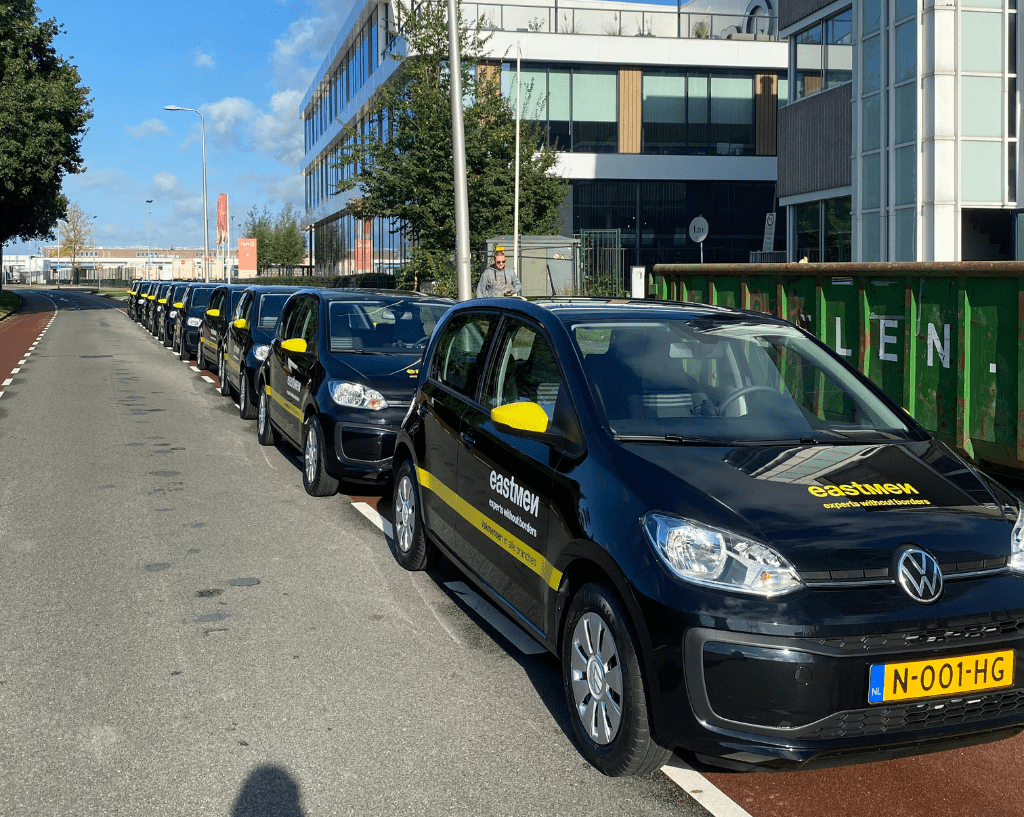
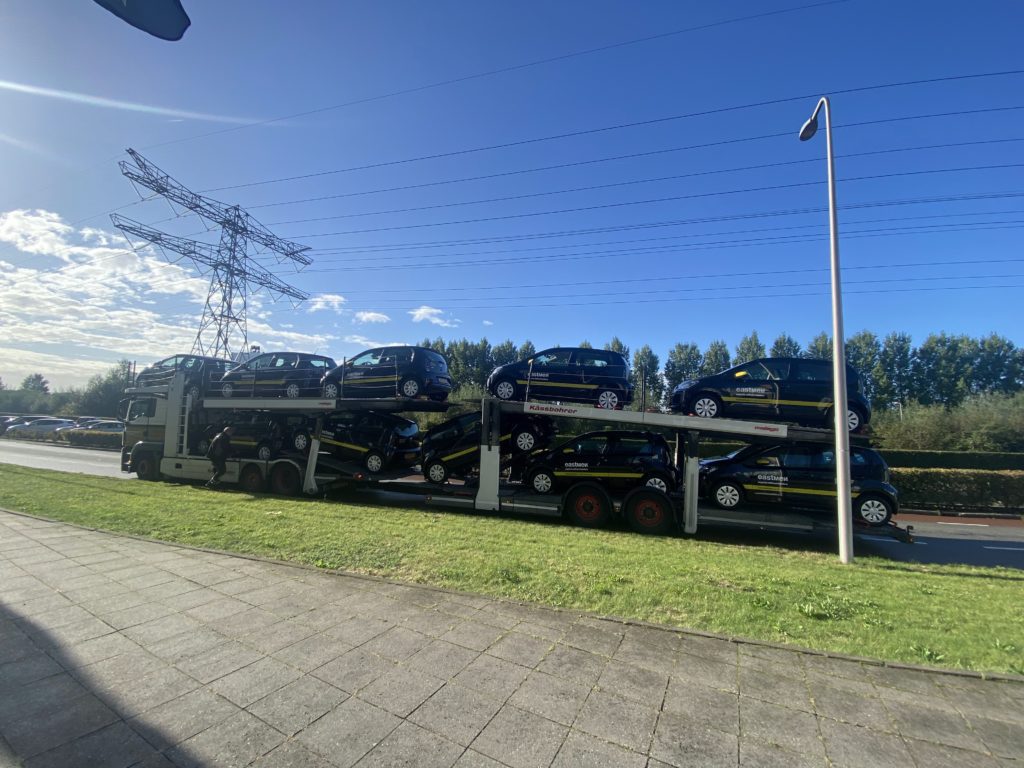
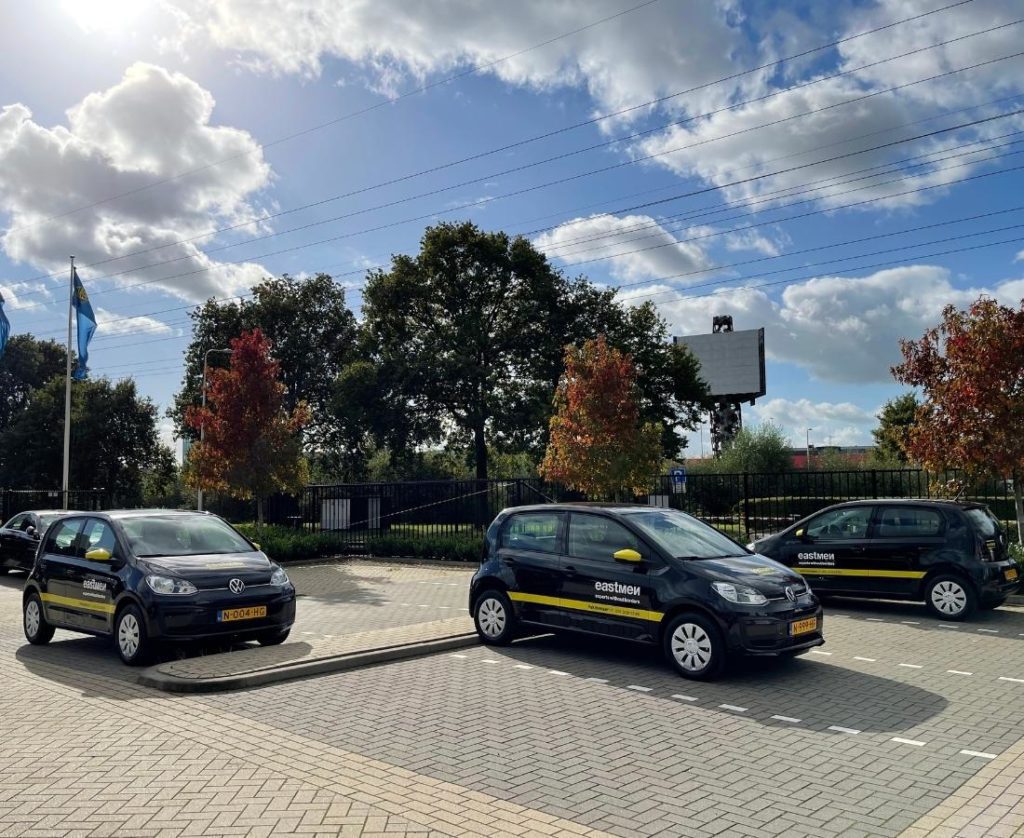
That is why Eastmen provides free transportation to work. We arrange transport for you at no cost, ensuring a reliable and comfortable commute to and from your workplace. This allows you to focus on your job without worrying about travel arrangements or extra expenses.
A simple, stress-free way to get to work—completely free of charge.
JOBS IN THE NETHERLANDS WITH ACCOMMODATION AND FREE TRANSPORT -
CONCLUSION
Finding housing close to work can be difficult because the Netherlands is small but very crowded and popular with foreigners. There are many people looking for accommodation, and the owners and real estate agencies have plenty to choose from. The rent price and rental requirements are high and families are preferred by them. This may hold some people back from taking the step of working (temporarily) in the Netherlands.
Eastmen offers jobs in the Netherlands with accommodationand free transport to help you take this step smoothly. Your only concern is to go to work and do your job to the best of your ability. Simple, right?