
TIPS FOR ADAPTING TO DUTCH CULTURE IN THE WORKPLACE
Moving to a new country for work can be an exciting adventure, but it can also be a challenging experience, especially when it comes to adapting to a new workplace culture. Dutch workplace culture is known for being direct, egalitarian, and highly value-driven. Adapting to these new workplace cultural norms can be difficult, but with these tips, you’ll be able to adapt to the Dutch workplace culture in no time.
EMBRACE DIRECT COMMUNICATION
In the Netherlands, direct communication is valued and expected. Dutch people tend to be straightforward and honest in their communication, even in a professional setting. They value transparency and clarity in their communication, and they expect the same from their colleagues. This may be different from what you’re used to, especially if you come from a culture where indirect communication is the norm. However, learning to communicate directly and honestly with your colleagues is an essential skill to develop if you want to succeed in the Dutch workplace.
To embrace direct communication, start by being clear and concise in your emails and other written communication. Make sure to get straight to the point and avoid using ambiguous or flowery language. When you’re speaking with your colleagues, be honest and straightforward about your thoughts and feelings. Don’t be afraid to express your opinions or ask questions if you’re unsure about something. The more you practice direct communication, the more comfortable you’ll become with it.

PUNCTUALITY MATTERS
In the Netherlands, punctuality is highly valued. Being on time for meetings and appointments is essential, as tardiness is considered disrespectful. Dutch people value their time, and they expect others to do the same. If you’re used to a more relaxed approach to time management, you may find this cultural norm challenging. However, being punctual is a sign of respect and professionalism, and it’s essential to make an effort to be on time for all your meetings and appointments.
To ensure punctuality, make sure to plan your travel time carefully. Consider factors like traffic, public transport schedules, and potential delays. If you’re unsure about how long it will take you to get somewhere, give yourself extra time to avoid being late. If you’re running late, be sure to let your colleagues know as soon as possible. Apologize for the delay and explain the reason for your tardiness.
UNDERSTAND THE HIERARCHY
In Dutch workplaces, hierarchy is less formal than in some other cultures, but it still exists. It’s important to understand the different levels of authority and how they interact. In general, Dutch workplaces are relatively egalitarian, and everyone is expected to contribute to the team’s success. However, there may be differences in the levels of decision-making power and responsibility, and it’s essential to understand these differences.
To understand the hierarchy, start by observing how your colleagues interact with each other. Pay attention to who makes the final decisions and who is responsible for different aspects of the work. If you’re unsure about the hierarchy, ask your colleagues for clarification. Don’t be afraid to ask questions if you’re unsure about who to report to or who to go to for help.
APPRECIATE WORK-LIFE BALANCE
The Dutch are known for their emphasis on work-life balance. This means that they tend to prioritize their personal lives and leisure time, which can sometimes clash with the demands of the workplace. If you’re used to a culture where work is the top priority, you may find this cultural norm challenging. However, learning to appreciate work-life balance can help you avoid burnout and improve your overall well being.
To appreciate work-life balance, start by setting boundaries between your work and personal life. Prioritize your time outside of work and make sure to engage in activities that help you relax and recharge. Take advantage of the generous vacation policies in the Netherlands and make time for vacations or short getaways to explore the country or visit your home country.
Additionally, make use of the flexible working arrangements that are common in the Netherlands. Many Dutch companies offer options for remote work, part-time schedules, or flexible hours. Communicate with your supervisor and explore the possibilities that align with your work and personal needs.
FAMILIARIZE YOURSELF WITH DUTCH BUSINESS ETIQUETTE
Dutch business etiquette is unique and may differ from what you’re used to. It’s important to familiarize yourself with the local customs to ensure smooth interactions and build positive relationships with your colleagues and clients.
One important aspect of Dutch business etiquette is the informal work environment. It’s common to address colleagues and supervisors by their first names, regardless of their position in the company. This reflects the egalitarian nature of Dutch workplaces. However, it’s always a good idea to start with more formal greetings until you have a clearer understanding of the office culture.
Furthermore, Dutch people value open and collaborative discussions. It’s encouraged to express your opinions and ideas during meetings, but do so in a respectful and non-confrontational manner. Active participation and contributing to the team’s goals are highly appreciated.
In terms of business attire, the dress code in the Netherlands is generally less formal compared to some other countries. Business casual attire is commonly acceptable in most workplaces, unless you work in a more formal industry. Observe what your colleagues wear and follow suit to ensure you’re appropriately dressed for your workplace.
CONCLUSION
In conclusion, adapting to a new work culture in the Netherlands can be challenging, but by embracing direct communication, valuing punctuality, understanding the hierarchy, appreciating work-life balance, and familiarizing yourself with Dutch business etiquette, you can integrate successfully into the Dutch workplace. Remember to be open-minded, observant, and adaptable. With time, patience, and a willingness to learn, you’ll thrive in your new work environment and build meaningful connections with your Dutch colleagues. Good luck on your professional journey in the Netherlands!
Looking for a job in the Netherlands? Have a look at our available jobs and apply below.
HOW TO CREATE A CV THAT WILL MAKE YOU STAND OUT?
Your CV is a crucial tool for landing job opportunities, so it’s important to pay attention to certain aspects that can make it stand out. In this article, we will discuss important points that you should be aware of before you create a CV, such as grammar, accurate dates, work experience, skills, personal information, and motivations for working in the Netherlands. By addressing these elements effectively, you can increase your chances of getting the job you want.
1. ENGLISH LANGUAGE AND DRIVING LICENSE ARE VITAL
Two crucial skills that employers prioritize when evaluating job applicants are English proficiency and a valid driver’s license. These skills are important for various reasons. A valid driver’s license enables individuals to go to their workplace conveniently, especially in situations where public transportation options may be limited.
On the other hand, English proficiency is essential for effective communication with colleagues. Ensuring that these skills are highlighted on your CV showcases your ability to overcome main challenges and communicate proficiently, making you a valuable asset to potential employers.
2. ENHANCING YOUR CV'S IMPACT
When you create a CV, it is crucial to pay attention to grammar mistakes. Ensure that your sentences are clear and free of errors. Take the time to double-check your spelling, punctuation, and city names to make a positive impression. Utilizing tools like Grammarly or the spellcheck option in Word or Google Docs under the tools tab can be helpful in this regard.
Another vital aspect is providing accurate dates when mentioning your work experience. It is essential to avoid mixing up dates or presenting them in the wrong order. Demonstrating attention to detail and offering a clear timeline of your employment history is highly valued by employers.
Additionally, when there are gaps in your CV, it is important to address them honestly. If, for instance, you had a six-month gap between jobs, describe the activities or projects you engaged in during that time.
3. PERSONAL TOUCH AND MOTIVATIONS
To make your CV stand out, consider adding a personal touch that engages employers. Including brief details about your personal life can create a CV that truly stands out in the crowd. For instance, mentioning hobbies or interests showcases you as a well-rounded individual, demonstrating your personality beyond professional achievements.
Additionally, when expressing your motivations for working in the Netherlands, it is crucial to highlight the factors that attract you to the country. Companies in the Netherlands are interested in understanding why you specifically want to work there. Explain your motivations, such as language proficiency, cultural affinity, or career opportunities, to showcase your genuine interest in contributing to the Dutch work environment.
By seamlessly blending a personal touch into your CV and articulating your motivations for working in the Netherlands, you create a compelling narrative that captures the attention of employers and sets you apart from other candidates.
4. PROACTIVITY AND WILLINGNESS TO HELP ARE BIG PLUS
Show that you are proactive and helpful by providing examples of going beyond what was expected of you. These 2 traits are one of the most important elements of the Dutch working culture and demonstrating these will help you fit in the company faster than anything else!
Keep in mind that these kind of people are always in the spotlight of managers when the time comes to raise salaries.
5. OPTIMIZING WORK EXPERIENCE REPRESENTATION: LONG-TERM COMMITMENT AND DETAILED DESCRIPTIONS
Employers value candidates who have demonstrated long-term commitment to their previous companies. If you have held jobs for extended periods, it is essential to highlight this in your CV. It showcases your reliability, dedication, and commitment to your work. Another way to address this is by mentioning the time it took you to develop and master specific skills during your previous employment. Additionally, you can highlight significant achievements accomplished during your time with each company. By providing these details, you demonstrate your creativity and the important aspects that should be highlighted to recruiters.
Another important thing is describing your work experience. It is recommended to aim for about four to five sentences per job. Customizing the description to match the job requirements shows employers that you are genuinely interested in the position. For instance, if you have worked in technical roles like CNC machining, it is crucial to mention specific details such as the materials you used, the tolerances you worked with, and the types of machines you operated. This level of detail helps employers understand your skills, accomplishments, and relevance to the role you are applying for.
CONCLUSION
By paying attention to grammar, accurate dates, work experience details, skills, personal information, and motivations for working in the Netherlands, you can create a CV that makes you stand out from the crowd. Remember to emphasize your long-term commitment, teamwork skills, and adaptability. By addressing these key elements, you can increase your chances of securing the job you desire.
Additionally, it is crucial to keep your CV updated and tailor it to each specific job application. Regularly reviewing and refining your CV ensures that it remains relevant and highlights your most recent accomplishments and skills. Furthermore, seeking feedback from professionals in your field or utilizing professional CV writing services can provide valuable insights and help you improve your CV’s impact.

Looking for a job in the Netherlands? Have a look at our available jobs and apply below.
TOP 10 TIPS ON SAVING MONEY WHILE WORKING ABROAD
It’s no secret that many people who find jobs in the Netherlands are motivated by the desire to earn more money. According to the official website of the European Union, there are currently 17 million EU citizens living and working in another EU country. If you are one of these people, your main goal is probably to earn a higher salary than in your home country.
However, it’s easy to fail in achieving this if you’re not aware of the traps that can quickly deplete your hard-earned income. That’s why we have created a guide to help you find a job and save more money by avoiding common mistakes.
SAVING IS JUST AS IMPORTANT AS EARNING
The quote by Benjamin Franklin, “A penny saved is a penny earned,” may be simple, but it carries a valuable message. The easiest way to increase your income is by reducing your expenses. Additionally, there are other options you can explore to avoid spending excessive amounts of money and find cheaper solutions. Here is our list of the top 10 tips to save on expenses while working abroad.
1. WORK WITH A RECRUITMENT AGENCY
When searching for a job in the Netherlands, you have two options: direct contact with a company or working through an agency. Eastmen agency provides various benefits that can help you save costs, energy, and time. Additionally, we offer free housing, which significantly reduces your expenses.
There is also a possibility to negotiate a contract where Eastmen partially or fully sponsors a professional certificate for you, such as VCA or welding. We will discuss this further later.
2. BRING YOUR OWN WORK CLOTHES AND SHOES
In the metal industry, working clothes and shoes with metal caps are standard equipment. If you forget or choose not to bring them with you, you’ll have to spend time and money purchasing them upon arrival in the Netherlands. Some companies provide this equipment, and Eastmen also offers the possibility of providing it for you. However, carrying your own gear ensures maximum comfort while saving money on extra tools.
3. CONSIDER USING A BIKE INSTEAD OF A CAR FOR COMMUTING
If you enjoy cycling and have good endurance, opting for a free bike instead of a car can save you some money. Our facility team strives to accommodate you as close as possible to your workplace. However, in some cases, the nearest available accommodation may be 30-40 km away. In such situations, biking may not be feasible (unless you’re a retired Tour de France cyclist), but public transportation could be an alternative.
4. SHOP AT STORES THAT OFFER DISCOUNTS AND PROMOTIONS
It may seem like an obvious saving tip, but searching online for retail shops that provide discounts can help you save money. This way you can spend only half of the amount that you would spend if you are eating outside. Look for internationally famous brands and franchises known for their low prices, such as Aldi, Lidl, and Jumbo.
5. CHOOSE FREE EVENTS OVER EXPENSIVE OUTINGS
Staying at home instead of going out is the most cost-effective way to save money, and there are many ways to have fun within your accommodation. Cooking is a great option that allows you to save money while developing a useful skill.
If you prefer going out, a quick Google search can help you discover free events in your city, such as concerts, festivals, outdoor movie screenings, or free entrance days at museums. You can find more information on these events at Uitagenda.
6. DETAILED CV CAN LEAD TO HIGHER SALARY
One common way to get a secure job is through personal referrals. Often, having a CV isn’t necessary, and a practical skill test is sufficient to get hired based on word-of-mouth recommendations. Working abroad, however, involves a more complex process. Our clients want to review detailed work experience before deciding to hire you.
Naturally, the more detailed your CV is and the better you describe your skill set, the easier it will be to convince the company to offer a higher starting salary. Unfortunately, many candidates underestimate the importance of creating a proper CV, and this rule applies to anyone seeking employment in a foreign country.
7. SHARE A RENTAL CAR WITH A HOUSEMATE
Eastmen offers its candidates a deal to rent a car at an affordable price, along with a petrol card to cover fuel expenses. However, you can further reduce these costs by negotiating with a colleague or housemate to share a single car if they work near you. By splitting the car expenses, you can save a significant amount of money over time.
8. COMMUNICATE EFFECTIVELY FOR OVERTIME
Many people complain to recruiters that they aren’t given the opportunity to work overtime, despite it being part of the job offer. Overtime availability can vary depending on the work organization. That’s why it’s important to communicate effectively with your supervisor and let them know that you’re open to doing overtime. Failing to do so may result in them selecting someone else for the additional work.
9. BE WISE ABOUT CHOOSING YOUR HOLIDAY DATES
Tickets are usually more expensive during holiday periods when everyone has time off. This is when people want to visit their families and spend time with friends. While it may not be the best way to save money (nobody wants to be alone during Easter, for example), if you’re in a tough financial situation, selecting dates outside the holiday season can save you a significant amount of money. Dates near or during major holidays can be two or three times more expensive!
10. PROFESSIONAL CERTIFICATIONS
If you work as a welder, mechanic, or electrician, having professional certifications can help you secure higher-paying jobs by demonstrating your expertise in a specific field. While obtaining these certifications can increase your earning potential, they can also be costly. The cost of certification can vary depending on the institution and industry, ranging from several hundred to a few thousand euros.
In serious cases, Eastmen offers partial or complete sponsorship of these certifications, but in return, you would need to sign a contract committing to work for the agency for a certain period. This option is one of the best ways to advance your career and earn a higher salary.
CONCLUSION
In conclusion, working abroad can be challenging, but it becomes much better when you have a trustworthy companion by your side. Choosing to work with a recruitment agency like Eastmen can help you save more money, time, and effort. Additionally, there are several lesser-known tips and tricks that can help you increase your earnings while working in a foreign country. Eastmen is always ready to assist dedicated professionals in the metal industry, as well as those in the transport/logistics sector, who are eager to learn and grow in their respective fields. If you’re one of them, apply now and secure a job today!
Looking for a job in the Netherlands? Have a look at our available jobs and apply below.
FORMS OF GOVERNMENT IN THE NETHERLANDS
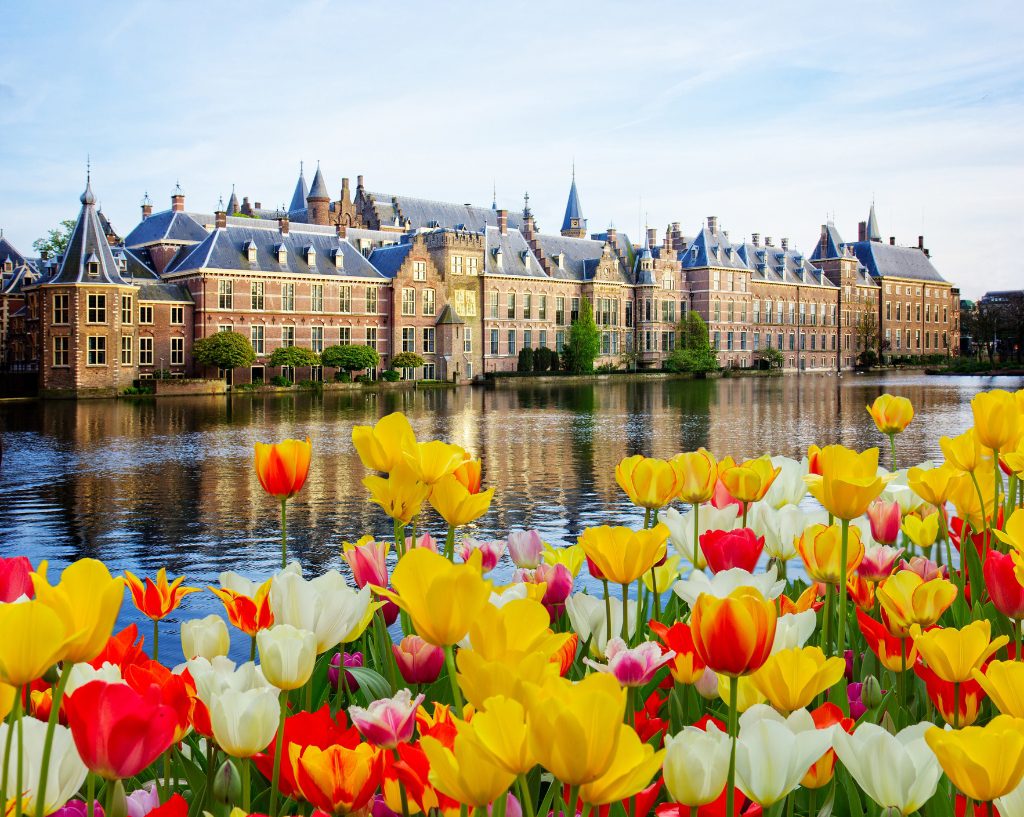
The Netherlands is a country located in Western Europe, and its form of government is a constitutional monarchy. This means that there is a king or queen as the head of state, but the power is limited by a constitution and the government is run by elected officials.
The Netherlands has a long history of democracy, dating back to the late Middle Ages when the country was known as the Dutch Republic. During this time, the country was ruled by a council of wealthy merchants, and it was one of the first countries in Europe to establish a system of representative government.
THE THREE BRANCHES OF GOVERNMENT IN THE NETHERLANDS
After the French Revolution, the Dutch Republic was replaced by the Kingdom of the Netherlands, and the country became a constitutional monarchy. Since then, the Netherlands has had a number of different monarchs, but the basic structure of the government has remained the same.
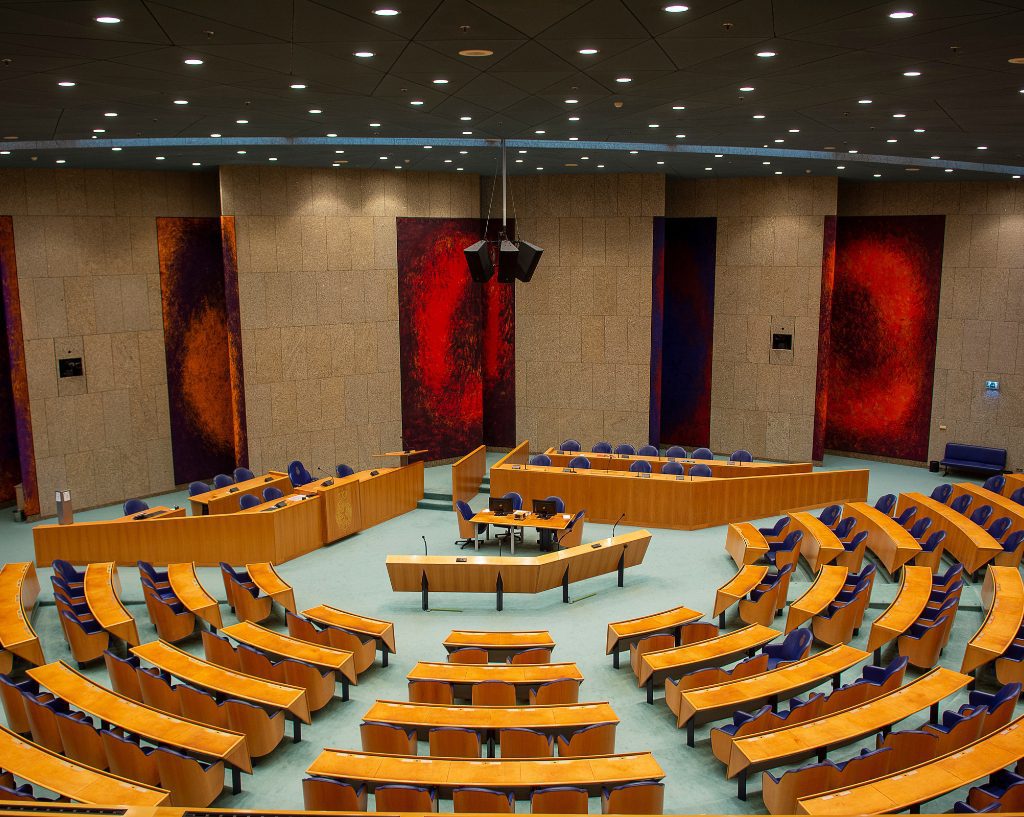
The Dutch government is divided into three branches: the executive, the legislative, and the judiciary. The executive branch is responsible for enforcing the laws and consists of the king or queen, the prime minister, and the cabinet. The legislative branch is responsible for making the laws and consists of the States General, which is made up of two houses: the House of Representatives and the Senate. The judiciary branch is responsible for interpreting the laws and consists of the courts.
THE ROLE OF THE MONARCH, THE PRIME MINISTER AND THE CABINET
The king or queen is the head of state in the Netherlands, but their role is largely ceremonial. They have very little actual power and are primarily responsible for representing the country at official events and ceremonies. The monarch is also responsible for appointing the informateur, who is a member of parliament tasked with exploring different options for forming a government after an election.
The prime minister is the head of government in the Netherlands and is responsible for leading the cabinet. The prime minister is appointed by the monarch, but their appointment must be approved by the States General. The cabinet is made up of the ministers of the different government departments and is responsible for implementing government policy.
THE SENATE AND THE HOUSE OF REPRESENTATIVES
The House of Representatives is the lower house of the States General and is made up of 150 members who are elected every four years. The Senate is the upper house of the States General and is made up of 75 members who are elected by the members of the provincial councils. The members of the Senate are elected for a term of four years, but half of the members are elected every two years.
THE COURTS IN THE NETHERLANDS
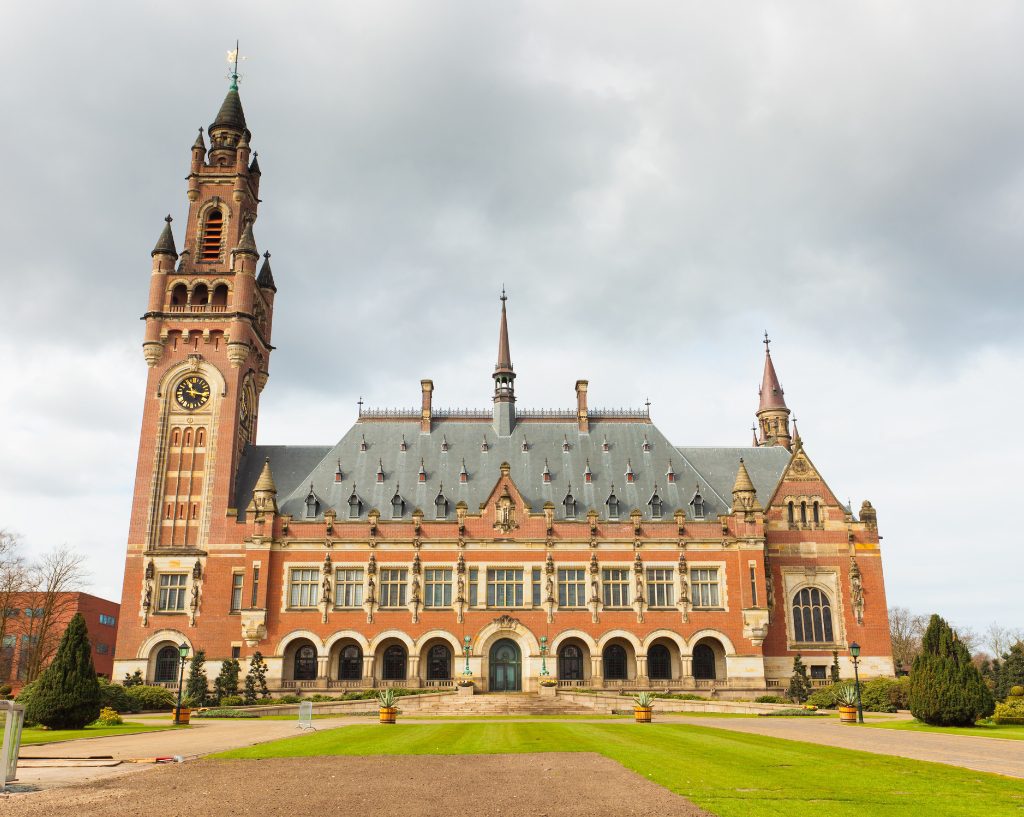
The courts in the Netherlands are independent and are responsible for interpreting the laws and ensuring that they are applied fairly. The courts consist of three levels: the district courts, the courts of appeal, and the Supreme Court. The district courts are responsible for hearing most cases, while the courts of appeal hear cases that have been appealed from the district courts. The Supreme Court is the highest court in the Netherlands and is responsible for hearing cases that have been appealed from the lower courts.
CONCLUSION
In conclusion, the Netherlands is a constitutional monarchy with a democratic system of government. The government is divided into three branches, with the executive branch responsible for enforcing the laws, the legislative branch responsible for making the laws, and the judiciary branch responsible for interpreting the laws. The king or queen is the head of state, but their role is largely ceremonial, while the prime minister is the head of government and is responsible for leading the cabinet. The Netherlands has a long history of democracy and has established a system of representative government that is admired around the world.
Looking for a job in the Netherlands? Have a look at our available jobs and apply below.
KINGSDAY IN THE NETHERLANDS
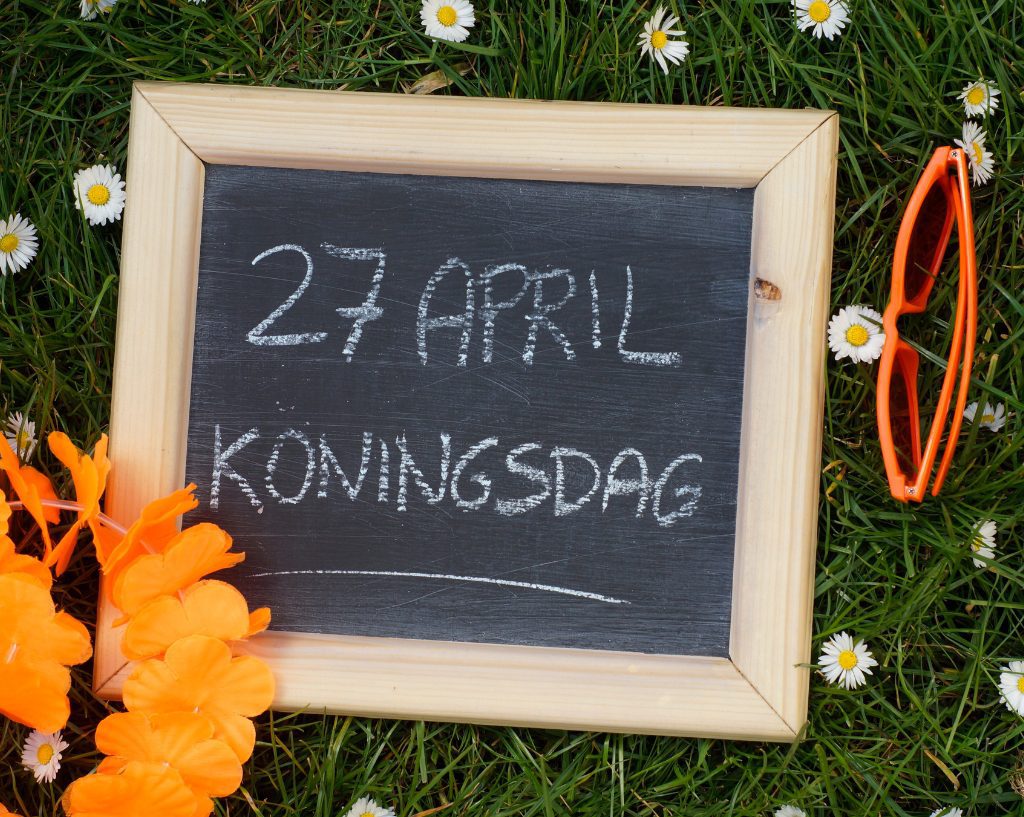
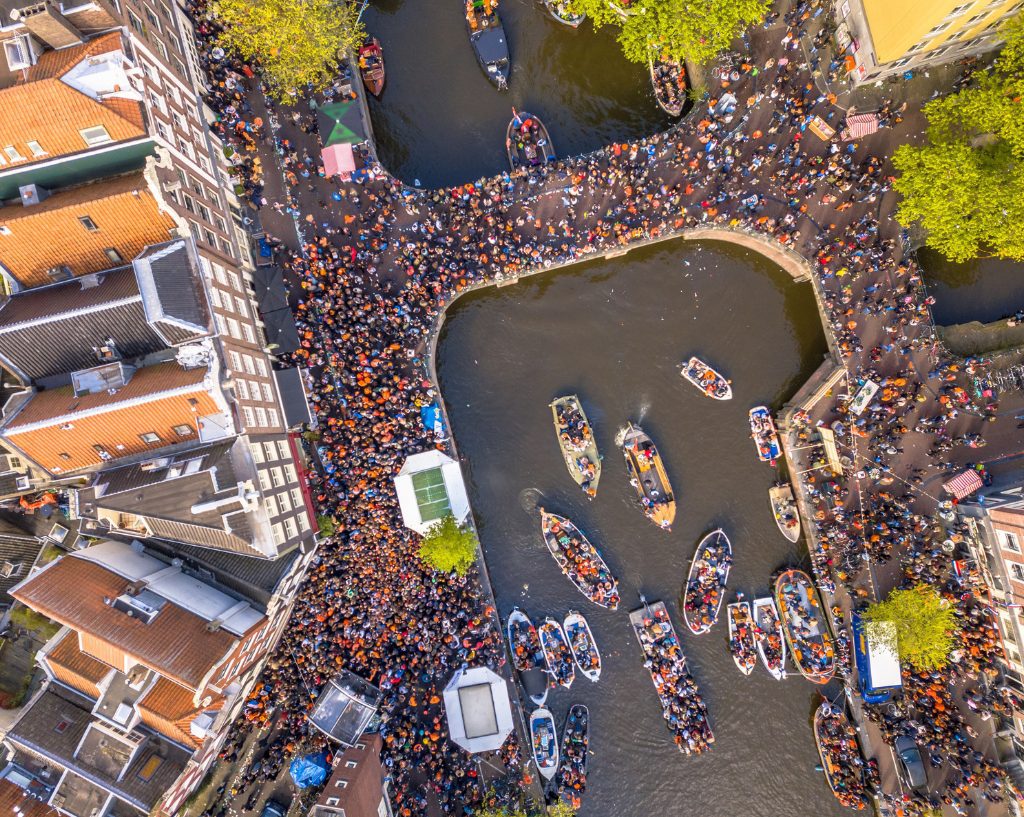
Kingsday in the Netherlands is a national holiday that is celebrated on the 27th of April. It is a day that is highly anticipated by both locals and tourists as it is a time when the Dutch celebrate their culture, traditions and of course, their King’s birthday. Kingsday, also known as Koningsdag in Dutch, is a day when the entire country comes together to celebrate with street parties, music festivals, parades, and various other events. The holiday is a unique opportunity for visitors to experience the Dutch culture, meet new people and join in the festivities.
HISTORY OF KINGSDAY
Kingsday has a long and interesting history. The holiday started as Princess’s Day in 1885 to celebrate the birth of Princess Wilhelmina. Later, when she became Queen in 1890, the day became Queen’s Day and was celebrated on August 31st. Queen’s Day was a national holiday that was highly anticipated by the Dutch people, who took the opportunity to show their national pride by dressing in orange, the national color of the Netherlands.
After Queen Juliana ascended the throne in 1949, she continued the tradition of celebrating Queen’s Day on her mother’s birthday, August 31st. However, when Queen Beatrix took the throne in 1980, she changed the date of Queen’s Day to April 30th, her own birthday. This was also the birthday of her mother, Queen Juliana, and it became a symbolic day to commemorate the former Queen’s reign.
When King Willem-Alexander ascended to the throne in 2013, the holiday was renamed Kingsday in his honor and the date was moved back to April 27th, which is the King’s birthday.

CELEBRATING KINGSDAY IN THE NETHERLANDS
Kingsday is celebrated throughout the Netherlands with various events, such as flea markets, fairs, music festivals and street parties. The most famous and traditional event of Kingsday is the “Vrijmarkt,” which is a giant flea market where people can sell their used items without a permit. Vrijmarkt means “free market” in Dutch, and it is a perfect opportunity to sell items that are no longer needed, as well as a great way to find unique treasures.
Another popular tradition during Kingsday is to dress up in orange clothing and accessories, which is the national color of the Netherlands. People of all ages wear orange hats, shirts, and pants, and even dye their hair orange. It is a fun way to show national pride and to celebrate the King’s birthday.
In addition to the Vrijmarkt and the orange craze, there are also many other events held throughout the country. These include boat parades, street performances, live music, carnival rides and children’s activities.
One of the highlights of Kingsday is the presence of the Dutch royal ramily. The king and queen and their family often travel to different parts of the country to take part in the festivities, and they participate in various events such as parades, boat tours, and performances. It is a rare opportunity for the public to meet the royal family and to celebrate with them.

CONCLUSION
Kingsday in the Netherlands is a festive and colorful celebration that brings together the whole country. It is a time to celebrate Dutch culture, traditions and national pride.
With the Vrijmarkt, orange craze, and various events, there is something for everyone to enjoy on this special day. Kingsday is a unique holiday that is a must-see for anyone visiting the Netherlands. So, if you are planning to visit the Netherlands, make sure you book your trip during Kingsday and experience the vibrant and joyful atmosphere of this wonderful holiday.
Looking for a job in the Netherlands? Have a look at our available jobs and apply below.
MINIMUM YEARS OF WORK REQUIRED FOR AOW PENSION IN THE NETHERLANDS
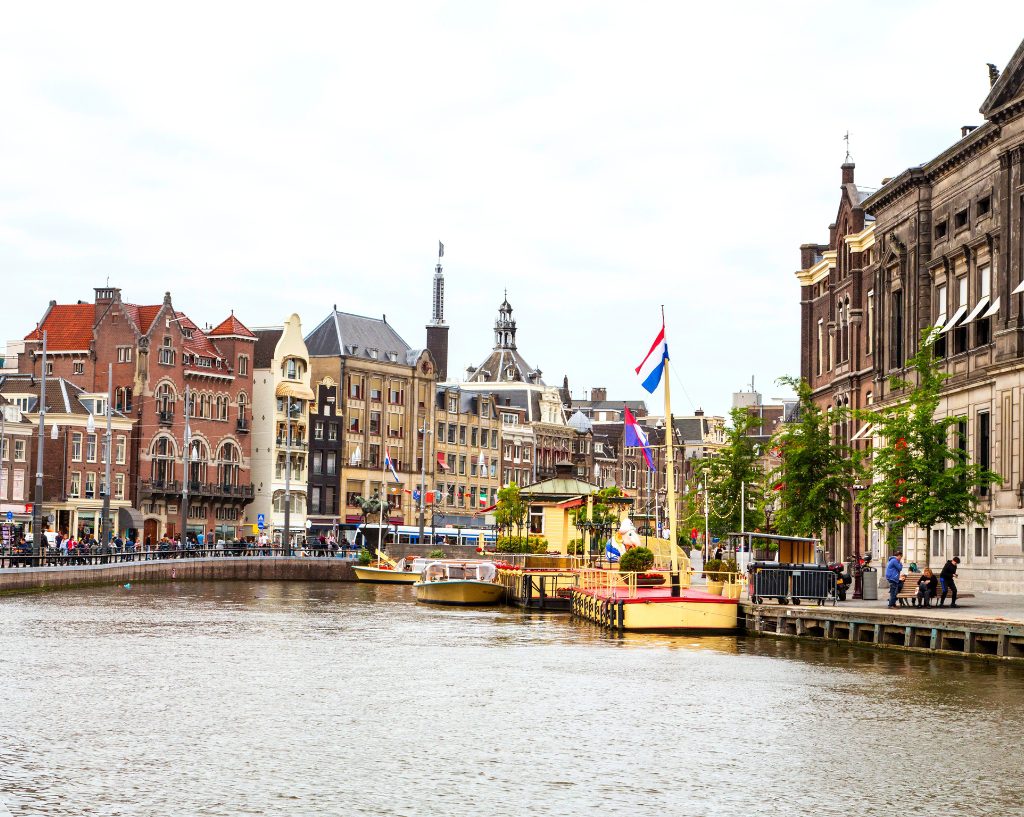
The Netherlands is a popular destination for expats due to its high quality of life, progressive social policies, and excellent healthcare system. One of the benefits of living and working in the Netherlands is the availability of the AOW pension, which is a state pension that provides a basic income to individuals who have reached the retirement age. In this blog, we will discuss how long an expat needs to have worked in the Netherlands to be eligible for the AOW pension and what the amount of the pension is.
ELIGIBILITY FOR THE AOW PENSION
To be eligible for the AOW pension, an expat must have lived or worked in the Netherlands for a certain number of years. The number of years required depends on the age of the expat. If an expat has reached the age of 66 years and 4 months (as of 2023), they are eligible for the AOW pension if they have lived or worked in the Netherlands for at least one year. If an expat is younger than 66 years and 4 months, the number of years required increases.
For expats who have reached the age of 50 years or older, the minimum requirement is 10 years. This means that they must have lived or worked in the Netherlands for at least 10 years in order to qualify for the AOW pension.
For expats who are younger than 50 years old, the requirement is a bit more strict. In order to qualify for the AOW pension, they must have lived or worked in the Netherlands for at least 50% of the time between the age of 15 and the age at which they reach the AOW pension age.
It is important to note that there are some exceptions to these requirements. For example, if an expat has a partner who is eligible for the AOW pension, they may be eligible for a partial pension even if they do not meet the minimum requirements on their own. Additionally, there are some circumstances where an expat may be able to count periods of time spent outside of the Netherlands towards their eligibility for the AOW pension.
AMOUNT OF THE AOW PENSION
As of 2023, the maximum AOW pension for a single person is €1,267.08 per month, while the maximum AOW pension for a couple is €1,719.37 per month. These amounts may be adjusted each year based on changes in the cost of living.
It is important to note that the AOW pension is a basic income and may not be enough to cover all of an expat’s expenses in retirement. Therefore, it is recommended that expats also save for retirement through other means, such as a private pension plan or investments.
CONCLUSION
In conclusion, the AOW pension serves as a crucial safety net for retirement for expats living and working in the Netherlands, with the minimum number of years required to qualify varying based on age and individual circumstances. Those over 50 must have a minimum of 10 years of residency or work in the Netherlands, while those under 50 must have at least 50% residency or work between the ages of 15 and the age at which they become eligible for the pension.
Currently, the AOW pension amount is €1,236.05 per month for those who are single and €842.31 per month for those who are married or have a registered partner. Therefore, it is an important consideration for anyone planning to retire in the Netherlands.

Looking for a job in the Netherlands? Have a look at our available jobs and apply below.
MOTORSPORT EVENTS IN THE NETHERLANDS
Racing may not be the first thing that comes to your mind when you see the Dutch flag, but it is definitely one of the trademarks of the Netherlands. Adrenaline-rushing competition goes hand in hand with the passionate nature of the Dutch, so it is no secret that motorsport is quite popular among them. It has a long and rich history, with many talented drivers and successful teams hailing from the country.
Racing fans have probably already heard of famous Dutch drivers Max Verstappen and his father Jos Verstappen, or the legendary Zandvoort circuit, but in this article we will also cover some less known but equally interesting facts about motorsport in the Netherlands.
MOTORSPORT ORIGINS, ZANDVOORT CIRCUIT AND DUTCH GRAND PRIX
It certainly feels like motorsport and racing has been running through Dutch people’s veins since forever. You think this statement is overexaggerating? Well, for the past 8 consecutive decades, The Netherlands has had at least one active driver who was competing in Formula 1. Yes, for the past 8 whole decades!
It’s a widely spread opinion among motorsport fans that Formula 1 is the peak single-seater racing competition. Even though the first official Formula 1 World Championship was held in 1950, the Netherlands hosted it for the first time in 1955 at the legendary Zandvoort circuit.
This track alone is one of the classic circuits not only of Dutch motorsport but the whole Formula 1. It has been used for racing since the 1930’s by locals who sought the thrill of adrenaline and challenges on the streets of this coastal town west of Amsterdam.
So far, the circuit has hosted 32 races in Formula 1’s history and it was the scene of astonishing drives of icons such as Graham Hill, Jackie Stewart and Jack Brabham.
Unfortunately, this circuit has witnessed many accidents which has led to a 36-year-long halt. Since then, the track went through a lot of modification and safety has been improved tremendously. And with the recent increase in popularity in the Netherlands, Zandvoort is again part of the Formula 1 calendar until 2025.
Nonetheless, the Dutch Grand Prix is an event that unites people from all around the country and their fans set up the tone for the whole racing weekend. You can only imagine how it is when even Toto Wolff, Mercedes AMG Formula 1 team principal, claimed in an interview: ‘You’ve set a fan engagement benchmark for all Grand Prix promoters around the globe’.

ORANJE ARMY
For Dutch people, motorsport is more than just racing – it’s a historical event and festival for all generations. ‘Oranje Army’ (Orange army in English) as they like to call themselves, is one of the fiercest fan groups in the motorsport world. You can already guess that orange is the national colour of the Netherlands. They wear it symbolically at all sports events and due to their passionate, vocal chanting they are called the ‘orange army’.
Their fan base counts tens of thousands of loyal supporters at each Dutch Grand Prix and they are known to create a party atmosphere. Dutch fans are also known for their creativity when it comes to supporting their favorite drivers. They even dedicated a song to their favorite driver, Max Verstappen, naming it ‘Super Max’.
THE LAND OF MOTORSPORT LEGENDS
The recent rise of Max Verstappen has contributed to the boost in popularity of the sport in the Netherlands. ‘Mad Max’, ‘Super Max’, ‘Flying Dutchman’ are just some of the nicknames that fans have given him over the years. Under his father’s guidance, at the age of 17, he became the youngest driver ever to join Formula 1 competition.
Known for his impeccable and fearless driving, he is always pushing the limits on the track and he is not afraid of the conflict, even off the grid. Even though, he showed more character in his early days,he has come a long way since then and his maturity is growing with each season. If anything, his 2 consecutive driver’s championship titles provide a hard proof for that.
Besides him, there are many other drivers worth mentioning. One of them is definitely his father, Jos Verstappen. He had been competing in Formula 1 from 1994 to 2003 and he raced wheel-to-wheel with some of the most notable names of motorsport such as, among others, Michael Schumacher, Damon Hill and Mika Häkkinen.
As of current time, besides Max there are several drivers participating in either in Formula 1, Formula E or Indy car racing: Nyck de Vries, Robin Frijns, Rinus Veekay.
The Netherlands has also brought up many great names that made motorsport exciting to watch and some worthy of notice are: Jan Lammers, Christijan Albers and Gijs Van Lennep (he won 24h LeMans twice).
If you thought that racing is only for guys, you couldn’t be more wrong, because there are some ladies who compete professionally in both single-seaters racing and other motorsport forms. Beitske Visser, Indy Dontje, Shirley van der Lof and Milou Mets are some of them for instance.
MOTOGP AND DUTCH MOTORSPORT: ICONIC TT CIRCUIT ASSEN AND RAZOR-SHARP DRIVES
If Formula 1 is considered the peak of racing sports, then superbike racing is for sure the one that requires the most courage in the racing world. MotoGP is the second most popular type of motorsport in the Netherlands. The popularity of the sport can be attributed to a number of factors, including the country’s long history of motorsport, the success of Dutch riders in the sport and the presence of the TT Circuit Assen.
Notorious for its fast, flowing layout, with a mix of high-speed corners and technical sections, TT Circuit Assen is one of the most iconic and challenging circuits in the MotoGP calendar. Because of this, many riders cite it as their favorite. Also, this track has a long and rich history, having hosted the Dutch TT since 1925. This makes it one of the oldest tracks on the MotoGP calendar too. If you’re a fan of MotoGP, attending the Dutch TT is a must-see event. With its rich history and challenging circuit, it’s no wonder that the TT Circuit Assen is known as “The Cathedral” of motorcycle racing.

OTHER FAMOUS MOTORSPORT EVENTS IN THE NETHERLANDS
The Netherlands is quite versatile when it comes to motorsport. If you want something different, there are more interesting events outside the ones we mentioned. Whether you are a motorsport fan or just seek pure adrenaline, you will definitely enjoy visiting these atypical motorsport competitions.
- Gamma Racing Day: The Gamma Racing Day is a motorsport event that takes place at the TT Circuit Assen. The event features a variety of racing categories, including touring cars, sports cars, and motorcycles. It also includes demonstrations by historic racing cars and other special vehicles.
- ADAC GT Masters Zandvoort: The ADAC GT Masters Zandvoort is a sports car race that takes place at the Circuit in Zandvoort. The event is part of the ADAC GT Masters championship and it features some of the most powerful and advanced sports cars in the world.
- Pinksterraces: The Pinksterraces is a motorsport event that takes place at the Circuit Park in Zandvoort over the Pentecost holiday weekend. The event includes a variety of racing categories, including touring cars, GT cars, and prototypes. The Pinksterraces has been held annually since 1949 and it is one of the oldest and most prestigious motorsport events in the Netherlands.

CONCLUSION
Motorsport culture is strongly connected to Dutch cultural identity and their passion for sports goes beyond racing. The country has many successful racers and it’s the most famous circuit in Zandvoort has witnessed more than a few majestic drives over decades of racing.
For Dutch people, motorsport events are more than that. It is the time when everyone dresses up in the same color and joins the cheerful orange horde. or those looking for something a bit different, there is always an opportunity to explore other types of motorsport happenings within the country. All in all, if you like racing and motorsport in general, the Netherlands is definitely the right country for you.
Looking for a job in the Netherlands? Have a look at our available jobs and apply below.
THE DUTCH PENSION SYSTEM
The Netherlands has a well-established pension system that provides financial security to its citizens in their retirement years. The pension system in the Netherlands is divided into three pillars, with each pillar having its own purpose and function. The first pillar is the state pension, the second pillar is the occupational pension, and the third pillar is the private pension.
Now, let’s dive deeper into what is the pension system in the Netherlands, and how it works.
STATE PENSION (AOW)
The state pension, also known as Algemene Ouderdomswet (AOW), is the first pillar of the Dutch pension system. The AOW is a basic pension that is provided to all Dutch citizens and residents who have reached the state retirement age of 66 years and 4 months (as of 2023). The AOW is funded by a pay-as-you-go system, which means that current workers pay for the pensions of current retirees.
The amount of AOW pension that a retiree receives depends on the number of years they have lived in the Netherlands. If a retiree has lived in the Netherlands for their entire life, they will receive the full AOW pension. If a retiree has lived in the Netherlands for a shorter period, they will receive a proportional part of the full AOW pension.

OCCUPATIONAL PENSION
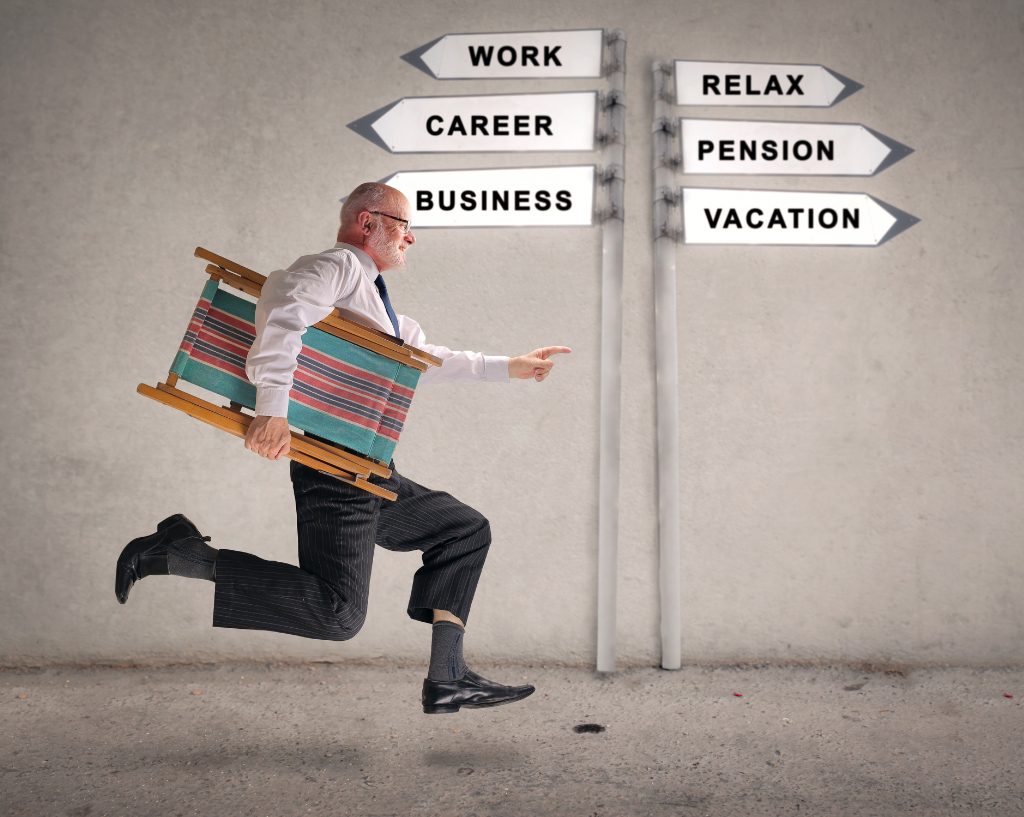
The second pillar of the Dutch pension system is the occupational pension. The occupational pension is a supplementary pension that is provided by employers to their employees. The occupational pension is regulated by collective labor agreements (CAOs) between employers and employees’ organizations, or by industry-wide pension funds. The occupational pension is funded by both employers and employees, with the contributions being deducted from the employees’ salaries.
The amount of occupational pension that a retiree receives depends on their salary and the number of years they have worked for their employer. The occupational pension usually provides a higher retirement income than the AOW pension, and it is also adjusted for inflation.
PRIVATE PENSION FORM
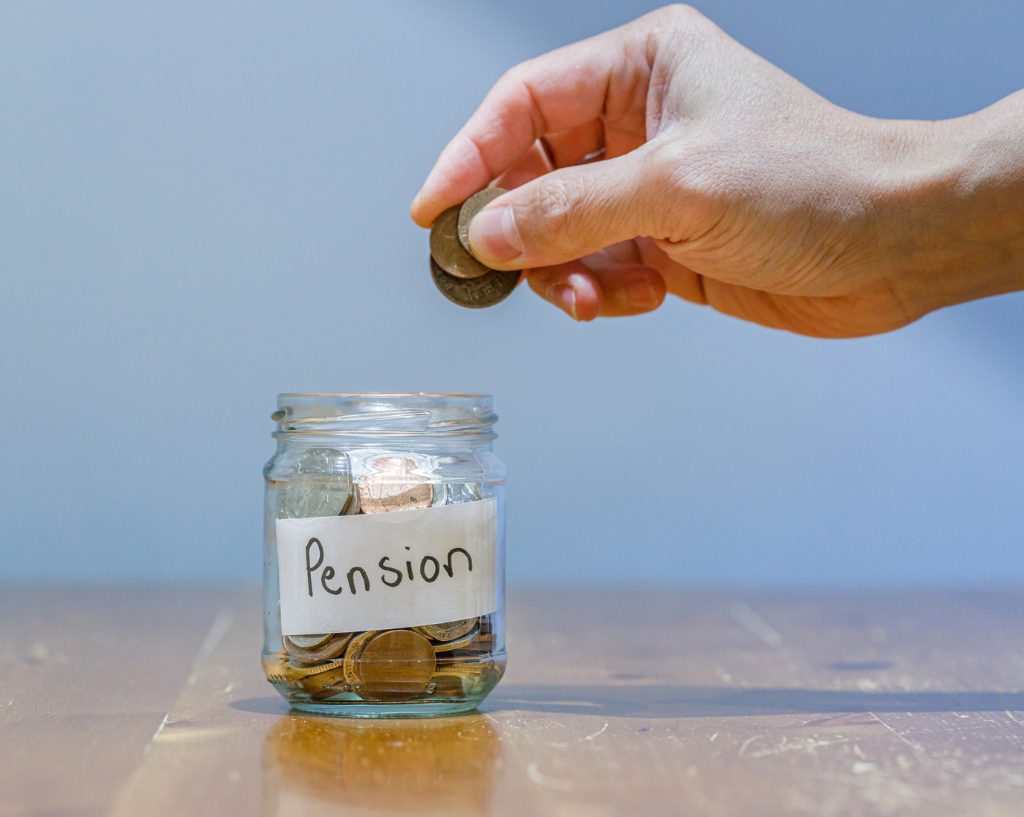
The third pillar of the Dutch pension system is the private pension. The private pension is a voluntary pension that individuals can take out themselves. The private pension can be either an individual pension or a group pension. An individual pension is a pension that is taken out by an individual, while a group pension is a pension that is taken out by a group of people, for example, employees of a company.
The private pension is funded by the individual’s own contributions, and the amount of private pension that a retiree receives depends on the amount of contributions they have made and the investment returns on those contributions.

CONCLUSION
The pension system in the Netherlands is a well-established system that provides financial security to its citizens in their retirement years. The system is divided into three pillars, with each pillar having its own purpose and function. The state pension (AOW) provides a basic pension to all Dutch citizens and residents who have reached the state retirement age. The occupational pension is a supplementary pension that is provided by employers to their employees, and the private pension is a voluntary pension that individuals can take out themselves.
Looking for a job in the Netherlands? Have a look at our available jobs and apply below.
FILLING YOUR TAX RETURN IN THE NETHERLANDS
As an expat living in the Netherlands, you may be required to file a tax return with the tax office (Belastingdienst in Dutch). This can seem like a daunting task, especially if you’re not familiar with the Dutch tax system. However, with a bit of preparation and guidance, you can successfully submit your tax return and ensure that you’re in compliance with Dutch tax laws. Here’s a step-by-step guide to submitting your tax return in the Netherlands as an expat.
1. DETERMINE IF YOU NEED TO FILE A TAX RETURN
Not all expats are required to file a tax return in the Netherlands. If you earn income in the Netherlands, you’re generally obligated to file a tax return. However, if you only receive income from a foreign source (such as a salary from an employer in your home country), you may not need to file a Dutch tax return. It’s important to check with the Belastingdienst or consult with a tax advisor or accountant to determine your specific tax obligations.

2. COLLECT YOUR DOCUMENTS
Before you can start filling in your tax return, you’ll need to gather all the necessary documents. This includes:
- Your annual income statement (jaaropgaaf), which summarizes your income and taxes withheld by your employer(s) in the Netherlands.
- Any other income statements or tax documents you’ve received from sources outside of the Netherlands (such as from a foreign employer or from a rental property).
- Details of any deductions or credits you may be eligible for, such as mortgage interest or childcare expenses.
3. FILL IN THE TAX RETURN FORM
The Dutch tax return form is available online on the Belastingdienst website. You can either fill it in online or download a paper form to fill in manually. If you prefer to fill in the form online, you’ll need to have a DigiD account. If you don’t have a DigiD yet, you can apply for one on the DigiD website.
If you’re not confident in your Dutch language skills, you can use the Belastingdienst’s English-language guide for non-Dutch speakers to help you navigate the form. Alternatively, you can consult with a tax advisor or accountant who can assist you with filling in the form correctly.
You can find the online tax return form on the website of the Belastingdienst.
Here are the steps to find the online tax return form:
- Go to the Belastingdienst website: www.belastingdienst.nl
- Click on “Inloggen voor Mijn Belastingdienst” in the top right corner.
- Log in to your account using your DigiD login details.
- Once you’re logged in, click on “Aangifte inkomstenbelasting doen” which is located under “Mijn gegevens” on the left-hand side of the screen.
- This will take you to the online tax return form where you can fill out and submit your tax return.
If you need assistance with the online tax return form, you can contact the Belastingdienst helpline for support.
While the preferred method for filing tax returns in the Netherlands is online, it is still possible to file your tax return manually on paper.
The Belastingdienst only provides the tax return form in Dutch. However, they do offer an English-language guide to help non-Dutch speakers fill out the form. You can find the guide on their website by following these steps:
- Go to the Belastingdienst website: www.belastingdienst.nl
- Click on “Forms and brochures” in the top menu.
- Under the “Tax return” section, click on “Doing your tax return in the Netherlands – a guide for non-Dutch speakers”.
- The guide will open as a PDF, and you can save or print it as needed.
The guide provides step-by-step instructions for filling out the Dutch-language tax return form, along with explanations of common terms and concepts. While it may take a bit of extra effort to navigate the form in Dutch with the help of the guide, it should be possible for non-Dutch speakers to complete their tax return accurately and on time.
It’s important to note that filing your tax return on paper may take longer to process and receive a response from the Belastingdienst than filing online. Additionally, you won’t receive an automatic acknowledgement of receipt as you would with an online submission, so it’s a good idea to keep a copy of your completed form and supporting documentation for your records.
4. SUBMIT THE TAX RETURN
Once you’ve completed your tax return, you can submit it to the Belastingdienst. If you’re filing your return online, you’ll receive an automatic acknowledgement of receipt from the Belastingdienst.
If you’re filing a paper return, you won’t receive an automatic acknowledgement, but you can assume that the Belastingdienst has received your return if you sent it before the deadline (1st of May).
5. WAIT FOR THE RESPONSE
After you’ve submitted your tax return, you’ll need to wait for a response from the Belastingdienst. This can take several weeks to several months, depending on the complexity of your return and the workload of the tax authorities.
If you filed your tax return online, you’ll receive an automatic acknowledgement of receipt from the Belastingdienst within a few days of submitting your return. This acknowledgement will confirm that your return has been received and is being processed. After that, you can expect to receive a provisional assessment of your tax liability within several weeks to several months.
If you filed your tax return manually on paper, you won’t receive an automatic acknowledgement of receipt, but you can assume that the Belastingdienst has received your return if you sent it before the deadline. It may take longer to receive a response in this case, as paper returns can take longer to process.
If the Belastingdienst has any questions or concerns about your tax return, they may contact you for additional information or clarification. Once your return has been fully processed, you’ll receive a final assessment of your tax liability, which will indicate whether you owe additional taxes or are entitled to a refund.
CONCLUSION
Filing a tax return as an expat in the Netherlands can seem daunting at first, but with some preparation and guidance, it doesn’t have to be a stressful process. It’s important to determine if you need to file a tax return based on your specific circumstances, including the source of your income and your residency status. Once you’ve determined that you need to file, you can gather the necessary documents and either file online or on paper.
Working with a tax advisor or accountant can be especially helpful for expats who may not be familiar with Dutch tax laws and regulations. They can guide you through the process and help you identify any deductions or credits that you may be eligible for, ultimately saving you money and ensuring that you comply with Dutch tax laws.
Looking for a job in the Netherlands? Have a look at our available jobs and apply below.
HOW TO APPLY FOR CHILD BENEFITS IN THE NETHERLANDS
If you are a parent in the Netherlands, you may be eligible for child benefits, which can help you cover the costs of raising your children. Child benefits are financial support provided by the Dutch government to help families with the cost of raising children up to the age of 18. In this blog, we will explain how to apply for child benefits in the Netherlands.
1. CHECK YOUR ELIGIBILITY
Before you start the application process, you should check whether you are eligible for child benefits. In general, you can apply for child benefits if you live or work in the Netherlands and have children under the age of 18. There are some exceptions, so it is a good idea to check the website of the Child Benefit Office (SVB) for more detailed information.
To apply for child benefits in the Netherlands, you need to meet certain requirements. Here are some of the key requirements:
- You must live or work in the Netherlands: if you are a non-Dutch national or if you do not have the nationality of another EU or EEA country or Switzerland, you must have a valid residence permit or a work permit.
- You must have children under the age of 18: however, there are some exceptions to this rule. For example, if your child is still in full-time education or training after the age of 18, you may still be eligible for child benefits.
- Your child must have a citizen service number (BSN): if your child was born in the Netherlands, they will automatically receive a BSN. If your child was born outside the Netherlands, you will need to apply for a BSN for them.
- Your child must be in your care: if your child lives with someone else, such as a grandparent, you may still be eligible for child benefits, but you will need to provide additional information.
- You must have a Dutch bank account: this is where the SVB will deposit your child benefits payments.
- You must provide the necessary documentation.
In addition to these requirements, there are some other factors that can affect your eligibility for child benefits, such as your income and the number of children you have. It is a good idea to check the SVB website for more detailed information on the requirements for child benefits in the Netherlands.
2. GATHER THE NECESSARY DOCUMENTS
To apply for child benefits in the Netherlands, you will need to provide certain documents, including:
- Your own identification, such as your passport or Dutch ID card
- Your child’s birth certificate or passport
- Your child’s BSN
- A bank account number in your name
Make sure to check the specific documentation requirements for your situation, as additional documents may be required based on your individual circumstances.

3. SUBMIT YOUR APPLICATION
Once you have gathered all the necessary documents, you can submit your application. You can do this online or by filling out a paper form and mailing it to the SVB.
To apply for child benefits online, you will need to create an account on the SVB. Here are the steps you need to follow:
- Go to the “My SVB” section of the website and create an account.
- Once you have created an account, you will need to provide information about yourself and your child, such as your name, address, and your child’s BSN.
- You will also need to upload any necessary documents, such as your child’s birth certificate or passport.
- Once you have submitted your application, you will receive a confirmation email.
If you prefer to apply for child benefits by filling out a paper form, you can download the form from the SVB or request a form to be sent to you. Here are the steps you need to follow:
- Fill out the form with your personal information and your child’s information.
- Gather any necessary documents, such as your child’s birth certificate or passport.
- Mail the form and documents to the SVB.
- Once your application has been received, you will receive a confirmation letter.
You can send your application to the SVB at the following address:
Sociale Verzekeringsbank (SVB), Postbus 357, 1180 AJ Amstelveen, The Netherlands
4. WAIT FOR A DECISION
Once you have submitted your application for child benefits in the Netherlands, you will have to wait for a decision from the SVB. The length of time it takes to process your application can vary, but you can generally expect to receive a decision within eight weeks.
During the processing period, the SVB may contact you to request additional information or documents to support your application. If you receive such a request, make sure to provide the information promptly to avoid delays in the processing of your application.
If you have not received a decision within eight weeks of submitting your application, you can contact the SVB for an update on the status of your application.
If your application is approved, you will receive a written notice from the SVB informing you of the decision. The notice will also provide details on the amount of the benefit that you are entitled to, and how often the benefit will be paid out.
If your application is rejected, the SVB will inform you in writing of the reasons for the rejection. You will have the right to appeal the decision if you disagree with the grounds for rejection.
Overall, it’s important to be patient and stay informed during the wait for a decision on your child benefits application. By submitting all required documents and responding promptly to any requests for additional information, you can help ensure that your application is processed as quickly as possible.

CONCLUSION
Applying for child benefits in the Netherlands is a relatively straightforward process, but it does require careful preparation and attention to detail. By understanding the eligibility requirements, gathering the necessary documentation, and submitting a complete and accurate application, you can increase your chances of receiving the benefits that you and your family are entitled to.
It’s important to note that the specific requirements and procedures for applying for child benefits in the Netherlands may vary depending on your individual circumstances, so it’s always a good idea to do your research and seek guidance from the SVB or a legal expert if you have any questions or concerns.
Looking for a job in the Netherlands? Have a look at our available jobs and apply below.